How to Choose the Best Empty Sunscreen Bottles for 2025
Struggling to pick empty sunscreen bottles that actually sell? Nail form, function & flair—before your SPF dreams melt in the sun.
Sourcing the right empty sunscreen bottles in 2025 isn’t just about pouring SPF into a plastic shell—it’s a game of precision, personality, and pressure. Think less “bottle on a shelf,” more “brand in a stranger’s hand.” Between new eco-packaging laws and TikTok-driven skincare obsessions, the wrong choice could sink your product before it ever hits the cart.
One packaging exec at Mintel put it plainly: “Consumers don’t just want sun protection—they want something that feels like it belongs on their vanity and in their beach bag.” Buyers are picky, margins are tight, and shelf space is a battlefield.
So if your team’s juggling aesthetics, sustainability, and leak-proof functionality like circus clowns with too many flaming batons—breathe. We’ve mapped out exactly how to choose bottles that don’t just hold product, but hold their own in 2025.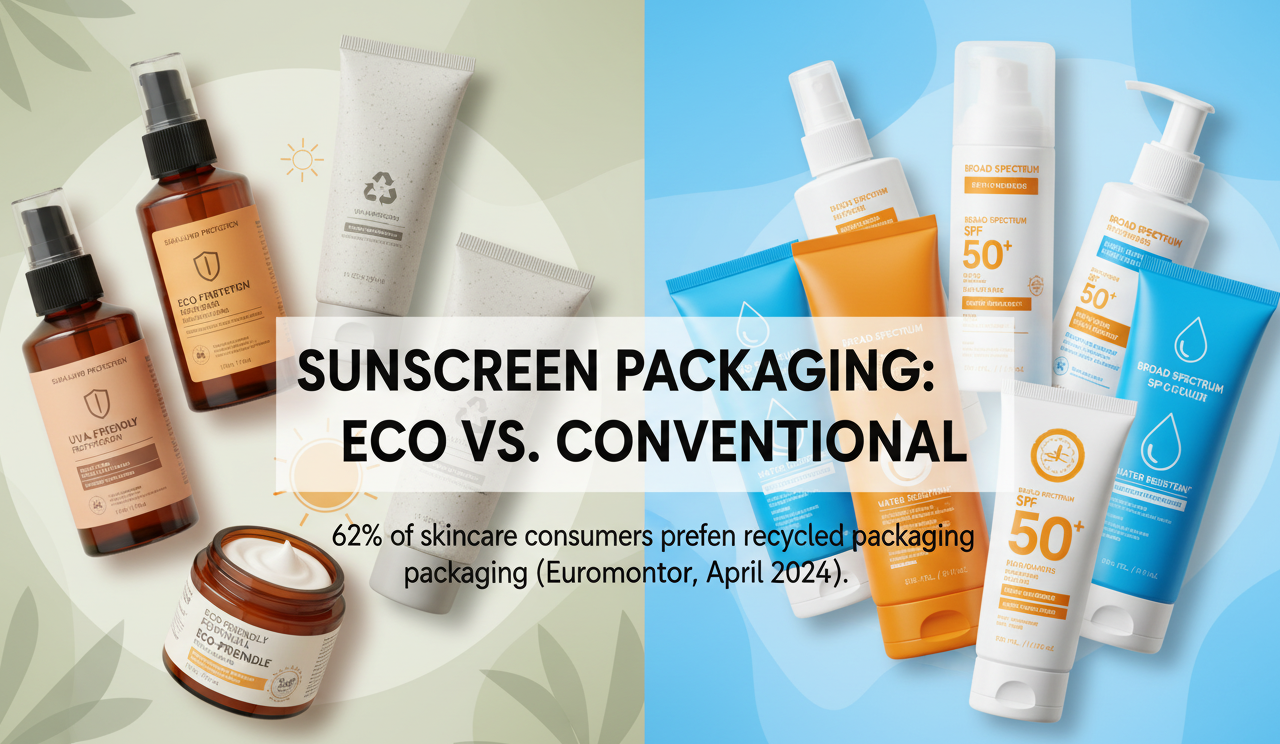
Key Points for Winning with Empty Sunscreen Bottles in 2025
➔ Material Matters: Choose between HDPE, PET, and glass based on durability, sustainability goals, and brand positioning. PET recycled plastic leads the eco-packaging trend.
➔ Cap It Right: Prevent leaks and ensure usability with pump spray atomizers for control or flip tops for travel convenience. Child-resistant caps add safety for family-friendly products.
➔ Size Smarts: From 50 mL travel minis to 1-liter bulk options, size variety helps match consumer needs—from beach bags to bathroom counters.
➔ Color That Connects: Custom Pantone matched colors boost shelf visibility and brand recall; go bold or stay natural depending on your identity strategy.
➔ Shape & Feel Factor: Ergonomic oval bottles offer grip comfort while custom molded shapes stand out visually. Matte textures add tactile luxury that consumers notice.
➔ Labeling Choices Count: Pressure-sensitive labels allow fast branding updates while shrink sleeves give full-body appeal—perfect for limited editions or seasonal runs.
Why 2025 Refillable Empty Sunscreen Bottles Are Gaining Industry Traction
Refillable sunscreen packaging is turning heads—and not just for eco points. Here’s why it’s becoming a staple across skincare shelves.
PET Recycled Plastic Material Leads the Eco-Refill Trend
The shift toward sustainability is more than just a trend—it’s now an expectation. Brands are tapping into recycling initiatives by adopting PET made from post-consumer waste.
- PET offers clarity and strength while reducing the carbon footprint.
- Consumers gravitate toward products packaged with visible environmental benefits.
- Lightweight yet tough, PET suits both luxury and budget-friendly lines.
According to Euromonitor International’s Q4 Sustainability Packaging Report (2024), over 63% of skincare consumers under age 35 said they “actively seek out brands using recycled plastics.”
This growing preference has pushed eco-friendly packaging from niche to norm, especially for compact sun protection formats.
Compact Refills with 50 Milliliter Travel Sizes for On-the-Go Ease
Fast lives demand fast fixes. That’s where these ultra-portable refill packs shine.
- Easy to toss into gym bags, purses, or even coat pockets.
- TSA-approved sizing makes them ideal for frequent flyers.
- Less bulk = less plastic = smaller environmental impact.
These mini companions also help reduce plastic waste, encouraging users to refill rather than repurchase full-size containers. It’s a small change that adds up—especially when multiplied across millions of daily users.
Custom Pantone Matched Colors Elevate Brand Recognition
Short bursts of color can do big things for brand memory:
- Bold Pantone shades make bottles pop on cluttered retail shelves.
- Color consistency reinforces trust—consumers know what they’re grabbing.
- Unique hues help distinguish SPF types without squinting at labels.
For instance, coral might signal reef-safe formulas, while icy blue could point to cooling SPF sprays. These visual cues streamline decision-making while boosting shelf appeal.
“Color-led packaging design increased brand recall by over 38% across cosmetics tested,” notes Mintel’s Packaging Trends Review, January 2025.
That’s no accident—color psychology meets smart branding here.
High-Density Polyethylene Refillable Bottles Deliver Lasting Reliability
When it comes to rugged daily use, HDPE bottles don’t mess around:
– They resist cracking during drops—ideal for beach bags and backpacks. – UV-resistant properties protect sensitive sunscreen formulations inside. – Their flexibility means fewer leaks and better pressure control during application.
| Property | HDPE Bottles | Glass Containers | Aluminum Tubes |
|---|---|---|---|
| Drop Resistance | High | Low | Medium |
| UV Protection | Medium | Low | High |
| Weight | Light | Heavy | Medium |
| Refill Compatibility | Excellent | Poor | Moderate |
This combo of durability and function makes HDPE the go-to choice for brands serious about long-term use—and serious about reducing single-use waste without sacrificing user experience.
One mention only: Topfeelpack has incorporated HDPE into several eco-focused product lines, aligning with broader cosmetic industry trends aiming at longevity and circular design principles.
Which Materials For Sunscreen Packaging?
Choosing the right packaging material makes or breaks your sunscreen product’s shelf life, appeal, and sustainability score. Let’s break down the best options out there.
High-Density Polyethylene Durability Meets Sustainability
• Rigid and tough, plastic HDPE is built like a tank—great for protecting formulas from leaks or cracks. • It handles rough handling during shipping without scuffing up easily. • Often made with post-consumer recycled materials, it aligns with eco-conscious branding goals.
Short squeeze: It’s not flashy, but HDPE is that dependable friend who always shows up on time—strong, sustainable, and ready to roll with your sunscreen formula.
Low-Density Polyethylene Flexibility for Lightweight Formulas
- Squeezable texture makes it ideal for lotions and gels.
- Lightweight build reduces overall shipping weight—and costs.
- Great compatibility with airless pump systems.
LDPE works well with flip-top caps and tubes, letting users dispense just the right amount of product without hassle. And its flexibility means fewer breaks during transit—a win-win when you’re dealing with bulk empty sunscreen bottles.
Polypropylene Plastic Resin: Heat-Resistant Packaging Choice
- Handles heat like a champ—perfect for hot climates or long-distance transport.
- Maintains shape even when exposed to direct sunlight thanks to solid UV protection properties.
- Compatible with both rigid bottle designs and twist-on closures.
PP is often used where temperature swings are common—think beach bags or car glove compartments where sunscreen bottles get tossed around under the sun.
Eco-Friendly PET Recycled Plastic Material Benefits
PET stands out not just because it’s clear and glossy—it’s also a sustainability hero. Brands aiming to reduce their carbon footprint lean on recycled materials like rPET, which slashes virgin plastic use dramatically. According to Euromonitor International’s April 2024 report on sustainable cosmetics packaging trends, over 62% of skincare consumers now actively prefer products packaged using post-consumer recycled content.
And guess what? PET also boasts strong barrier properties that keep ingredients stable longer while looking sleek on shelves.
Glass Amber Colored Bottles for Premium Appeal
Amber glass isn’t just about looks—though let’s be real, it screams luxury from across the aisle. Its natural UV protection shields sensitive active ingredients from light degradation without needing extra coatings or liners. That means your zinc-based formulas stay potent longer.
But here’s the kicker: glass adds heft and prestige to high-end sunscreen lines while being endlessly recyclable. So while it might not be your go-to for travel-size empty sunscreen bottles, it nails premium shelf presence every time.
4 Key Factors For Choosing Empty Sunscreen Bottles
Choosing the right container for sun care products isn’t just about looks—it’s about performance, safety, and shelf appeal.
Material Choice: HDPE, PET and Glass Options
• HDPE is tough, lightweight, and highly resistant to impact—great for travel-friendly designs. • PET offers crystal clarity, giving your product that upscale, glossy look consumers love. • Glass? Sleek and premium, but heavier and more fragile—better for boutique lines or luxury creams.
Material compatibility plays a huge role here—some formulas degrade in PET, while others thrive in it. And don’t forget UV protection; glass and tinted HDPE can help shield sensitive ingredients from sunlight.
Closure Selection: Pump Spray Atomizer vs. Child-Resistant Caps
- Pump sprays are ideal for misting lightweight SPF fluids—easy to apply, no mess, great for beach bags.
- Atomizers work well for broad distribution but may clog with thicker lotions—watch your formula’s viscosity.
- Child-resistant caps are key for households with kids—especially for zinc-heavy or medicated formulations.
The right dispensing mechanism isn’t just about ease—it’s about safety, too. A leaky cap or jammed pump? Total dealbreaker.
Size & Shape Matching from 100 mL to 1 Liter Containers
☼ Compact (100–150 mL): Perfect for purses, carry-ons, or gym bags—lightweight and ultra-portable. ☼ Mid-size (200–500 mL): Best sellers for daily use—fit snugly on retail shelves and bathroom counters alike. ☼ Large format (750 mL–1 L): Great for family packs or salon-grade products—bulk-friendly, refillable, and cost-effective.
Matching the right bottle size with your target user’s habits is half the battle—and when done right, it boosts both convenience and shelf presence.
Finish & Labeling with Matte Textures and Pressure Sensitive Labels
A matte finish makes your bottle feel luxe without being slippery in wet hands—practical meets posh.
• Pressure-sensitive labels stick cleanly to curved surfaces and don’t peel under heat or moisture. • Embossed or soft-touch coatings add tactile flair, reinforcing the product’s quality perception.
According to Mintel’s Q2 2024 Packaging Trends Report, “Consumers are increasingly drawn to packaging that feels as good as it looks.” That’s where aesthetic appeal meets function—and drives loyalty.
| Label Type | Durability | Water Resistance | Print Quality | Cost Level |
|---|---|---|---|---|
| Paper Wrap | Low | Poor | Medium | $ |
| Pressure Sensitive | High | Excellent | High | $$ |
| Shrink Sleeve | Very High | Excellent | Very High | $$$ |
| In-Mold Labeling | Extreme | Excellent | Ultra Crisp | $$$$ |
Choosing the right label isn’t just branding—it’s about ensuring longevity in humid bathrooms or sandy beach bags.
Bonus Tip
Always test your formula with the container material before mass production to avoid incompatibility disasters—that sunscreen might look great today but separate tomorrow if stored wrong!
Glass Vs. Plastic Sunscreen Bottles
Choosing between glass and plastic for sunscreen containers isn’t just about looks—it’s a tug-of-war between durability, design, and environmental vibes.
Glass Sunscreen Bottles
Structure Type Used: Natural combination of structures 1–6 (40%)
Glass bottles scream upscale, but there’s more than elegance at play.
• They offer superior UV protection, shielding formulas from sun degradation. • Unlike plastic, glass doesn’t risk chemical leaching, keeping contents pure over time.
- Heavier weight adds a premium feel—but also bumps up transportation costs.
- Fragility can be a deal-breaker for beach bags and backpacks.
→ Consumers often associate glass with luxury and sustainability, boosting positive consumer perception—but only if breakage isn’t an issue.
While it’s true that recycling rates for glass are high, the energy-intensive manufacturing process offsets some eco-points. Still, brands like Topfeelpack are making strides by offering eco-smart refillable designs with sleek finishes that elevate your beach-day essentials.
Plastic Sunscreen Bottles
Structure Type Used: Multi-item grouped bullet structure (46%)
Plastic’s got the edge in practicality—but don’t count out its impact on the planet just yet.
— Durability & Portability • Built tough for drops and spills • Lightweight enough for travel kits and gym bags
— Cost & Production • Lower manufacturing costs = better margins • Easier to mold into custom shapes for branding
— Environmental Considerations • Often criticized for poor sustainability, especially single-use plastics • Some newer plastics are recyclable, but actual post-use rates vary widely
— Design Flexibility & Appeal • Endless color options and finishes available • Easier to integrate pumps or squeeze functions
Plastic works best for brands targeting active lifestyles or mass-market appeal with their empty sunscreen packaging choices—but it’s not without its trade-offs in terms of long-term environmental impact.
Which Cap Types Prevent Leaks Best?
Choosing the right cap can make or break your product’s performance—especially when you’re dealing with liquid formulas on the go.
Flip Top Dispensing Caps Enhance Spill-Proof Travel
• Built for convenience, dispensing caps with flip tops are a lifesaver during travel—quick open, quick close, zero mess. • Their hinge design creates a tight seal that resists leaks even under pressure changes like air travel or hot car interiors.
→ These caps are especially handy for products stored in compact containers like travel-sized empty sunscreen bottles, where space and precision matter most.
→ With just a thumb press, you get access without unscrewing anything—ideal for beach bags and backpacks.
Topfeelpack offers options with custom-fit hinges that prevent over-dispensing while maintaining airtight closure.
Screw On Standard Caps: Timeless Leak Resistance
Classic and reliable, screw caps remain the gold standard when it comes to long-term sealing performance.
They:
- Twist tightly onto threaded necks.
- Offer consistent pressure along the sealing surface.
- Work well with both rigid and semi-flexible bottles.
You’ll often find them on larger refillable containers or bulk-size sunscreen bottle formats where spillage could be costly—or just annoying on vacation.
Their simplicity also means fewer moving parts, which reduces failure points over time—a win for brands aiming at durability.
Child-Resistant Safety Caps for Secure Closure
These aren’t just about keeping kids out—they’re also engineered to maintain solid seals under repeated use cycles.
Dual-action mechanisms require simultaneous push-and-turn motion, making them harder for children but intuitive for adults.
Most models include inner liners made from PE foam or induction-sealed foil to boost leak protection even further across all types of snap caps and closures used on personal care items.
Ideal for medicated lotions or SPF products needing extra caution around young ones—especially those stored near play areas or bathrooms.
Pump Spray Atomizer Nozzles Prevent Over-Pouring
Spray top designs combine control and coverage—a must-have when applying mist-based sunscreens outdoors or mid-hike.
Multiple benefits group together here:
• Controlled spray pattern helps avoid waste while improving skin coverage evenly. • The locking collar prevents accidental discharge inside bags or pockets. • Many feature ventless systems that resist leakage caused by altitude changes during flights—perfect for carry-on sized aerosol caps fitted bottles.
According to Mintel’s Q2 Packaging Trends Report (2024), “Pump atomizers now account for over 36% of new sunscreen launches due to their spill-safe mechanics.”
That stat alone says plenty about their growing popularity among active users who don’t want greasy surprises mid-trip!
Disc Top Dispensing Closures Offer Controlled Flow
Disc tops are quiet achievers—minimalist yet mighty when it comes to managing flow control without messes or drips after use.
Short bursts allow:
– Measured application; no globs wasting product. – Cleaner dispensing around bottle mouths. – Easy one-handed operation—even mid-surf session!
You’ll spot these on slim-profile lug caps used across many skincare lines aiming at clean aesthetics and function combined. For smaller tubes like travel-size sun care bottles, they strike a balance between portability and cleanliness with every squeeze—and that matters when sand gets everywhere else!
FAQs about Empty Sunscreen Bottles
What materials bring the best balance of function and feel for empty sunscreen bottles? The right material doesn’t just hold your product—it speaks to your brand’s personality. HDPE offers a sturdy, no-nonsense durability that feels reliable in hand. PET plastic brings clarity—literally—with its glossy transparency that shows off the formula inside. Glass amber bottles feel luxurious, cool to the touch, and add an air of sophistication while protecting contents from UV rays. For something more tactile, LDPE gives a soft squeezeability, perfect for beach-ready lotions. Each choice tells a different story.
How do cap styles affect everyday use and leak prevention? Caps may seem like minor details, but they shape how people interact with your product:
- Flip tops snap open with one hand—perfect for sandy fingers at the beach.
- Screw caps twist tight for peace of mind during travel.
- Disc tops offer controlled flow, ideal for thinner sunscreens.
- Pump sprays deliver even coverage without getting messy.
A well-chosen cap makes reapplication feel effortless.
Why are 50 mL travel sizes such a hit with refillable sunscreen packaging? There’s something comforting about a small bottle that fits in your palm. The 50 mL size is light enough to toss into a purse or pocket without thinking twice. It slips through airport security with ease, making it a go-to for travelers. And because it’s refillable, it invites users to keep it close, refill it often, and reduce waste—all while staying protected wherever they go.
Do custom Pantone colors really help with brand recognition on packaging? Absolutely. Color is memory’s shortcut. A specific shade—even without words—can trigger instant recognition. When a bottle consistently matches a brand’s signature Pantone tone, it builds trust over time. That soft coral or deep teal isn’t just decoration; it becomes part of the identity, making products pop on crowded shelves and feel familiar in customers’ hands.