What Does Hand Sanitizer and Bottle Caps Do
In a world obsessed with hygiene, what does hand sanitizer and bottle caps do? Protect products, boost trust, and save your brand’s reputation.
What does hand sanitizer and bottle caps do? Well, more than you’d think. In a world where folks side-eye every shared surface and sneeze like it’s a crime scene, the unsung heroes of hygiene aren’t just squirts of gel or plastic tops—they’re guardians of your brand’s trust factor.
A busted seal or leaky cap can turn your luxury moisturizer into an oops-I’ll-pass situation faster than you can say “spoiled serum.” And buyers know this. According to Grand View Research, the global cosmetic packaging market is projected to hit $39.32 billion by 2025—because safety sells, plain and simple.
“You don’t sell lotion,” my old boss once told me, “you sell confidence in a bottle.” That stuck with me—especially when one faulty cap on a thousand-unit shipment nearly tanked our best-seller’s reputation overnight.
So yeah—it might seem silly fussing over something as small as a bottle cap… until it isn’t.
Essential Insights: What Does Hand Sanitizer and Bottle Caps Do?
- Hand Sanitizer’s Role: Hand sanitizers effectively kill pathogens, playing a crucial role in reducing transmission and promoting overall public health.
- Bottle Caps and Contamination: The type of bottle cap significantly affects product safety and longevity, influencing how well it protects contents from contamination.
- Hygiene and Sealing: Securely sealed bottle caps are vital for maintaining hygiene standards, preventing cross-contamination, and protecting products from external contaminants.
- Cosmetic Packaging Integrity: Proper design and material selection of bottle caps are essential for maintaining the integrity of cosmetic formulations while enhancing user convenience.
What Does Hand Sanitizer and Bottle Caps Do for Safety?
Quick question—ever thought about how your everyday hand sanitizer and a simple bottle cap keep you safe? Let’s unpack their invisible superpowers.
Importance of Hand Sanitizer in Pathogen Control
You know when you’re out grabbing lunch or hopping on the subway, and there’s no sink around? That’s when hand sanitizer steps up. It’s more than just a sticky gel—it’s engineered for germ reduction and serious pathogen control.
- According to Global Hygiene Insights, alcohol-based sanitizers with over 60% ethanol can eliminate up to 99.9% of common microbes within 30 seconds.
- Quick rubs kill surface bacteria like E. coli and S. aureus—no water needed.
- Ideal for reducing viral transmission during flu seasons or outbreaks.
It’s not just about staying clean—it’s about cutting off infection routes right at your fingertips. Literally. That tiny bottle is doing some heavy lifting when it comes to daily disease prevention.
How Effective Are Different Bottle Caps Against Contamination?
Not all caps are created equal—and that matters big time when it comes to keeping stuff safe from gunk, grime, or worse.
- Flip-top caps – Handy but often prone to residue buildup if not cleaned properly.
- Screw-on caps – Offer better sealing strength; great for long-term storage.
- Pump dispensers with locks – Excellent for hygiene-focused products like lotion bottle units or sanitizers; reduce touchpoints.
- Tamper-evident caps – Add an extra layer of trust by showing clear signs if the seal’s been broken.
Each type plays a role in maintaining proper contamination prevention, especially where food-grade or pharmaceutical packaging is concerned. A good cap isn’t just convenient—it’s a frontline defense against microbial invasion and helps extend product shelf life through tight sealing effectiveness.
Hand Sanitizer’s Disinfecting Power on Various Surfaces
Let’s get real—your phone screen, doorknob, steering wheel… they’re basically germ magnets. But guess what? Your trusty pocket-sized bottle has your back here too.
Long story short: alcohol-based hand sanitizers, especially those containing isopropyl alcohol above 70%, are champions at wiping out bacteria and viruses on nonporous surfaces like plastic, glass, and metal.
Grouped by environment:
- In offices: Wipe down keyboards and desk surfaces to prevent cross-contamination.
- At home: Sanitize remote controls, fridge handles, even light switches—anywhere fingers go frequently.
- On-the-go: Clean shopping cart handles, gas pump nozzles, public restroom door latches.
This kind of quick-fire surface cleaning promotes strong environmental hygiene habits while lowering the chance of indirect pathogen contact—a win-win situation when soap and water aren’t around.
And yes—the same stuff you use on your hands doubles as a mini disinfectant kit for everyday objects!
The Role of Bottle Caps in Cosmetic Packaging
Bottle caps might seem small, but they play a giant role in keeping your cosmetics fresh, functional, and fab.
Types of Bottle Caps: A Comprehensive Overview
Caps aren’t just closures—they’re functionality wrapped in design.
- Screw caps: Classic and reliable, these offer tight seals for long-term storage.
- Flip-top: Loved for convenience, especially with skincare creams and gels.
- Pump: Perfect for lotions or liquid soap—less mess, more control.
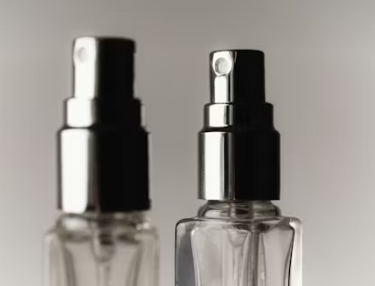
- Spray: Ideal for perfumes or toners where even distribution is key. Use a high-quality spray bottle for the best results.
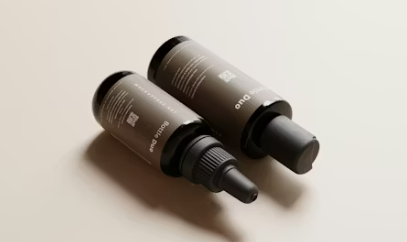
- Dropper: Often used with serums; provides precise dosage. The dropper bottle is a staple for essential oils.
- Disc-top: Common in shampoos—easy press-to-open action.
- Snap-on: Quick application, often found on travel-size products.
Each type of cap aligns with specific cosmetic formulations and user habits, showing how even the tiniest packaging choice can shape the experience.
How Bottle Caps Enhance Product Longevity
Keeping your face cream from turning into a science experiment? That’s all about the right cap.
- A strong seal prevents air exposure—cutting down on oxidation that spoils ingredients fast.
- Proper caps block dust and bacteria from sneaking in, reducing risk of contamination.
- Airtight closures also prevent moisture loss or unwanted evaporation—especially important for alcohol-based sanitizers or toners.
So next time you twist off a lid, remember—it’s not just closing your product; it’s preserving its soul.
The Impact of Cap Material on Cosmetic Integrity
Material matters more than you think when it comes to what does hand sanitizer and bottle caps do together in packaging chemistry.
| Cap Material | Chemical Compatibility | Barrier Strength | Common Use |
|---|---|---|---|
| PP (polypropylene) | High | Medium | Cream jars |
| HDPE (high-density polyethylene) | Moderate | High | Body wash bottles |
| Metal | Low–Moderate | Very High | Perfume atomizers |
| PETG blends | Variable | Medium–High | Serums & oils |
Choosing the wrong material could degrade formulas over time or cause leaching—and nobody wants that gunky surprise months later.
Designing Functional Bottle Caps for User Convenience
Caps shouldn’t require a gym membership to open—or leave you frustrated mid-shower.
Short bursts of brilliance: • A good grip goes beyond texture—it’s about shape and pressure points too. • Dispensing needs vary: pumps = control; flip-tops = speed; droppers = precision. • Accessibility isn’t just nice—it’s essential for users with mobility issues or vision impairment.
A well-designed cap makes using cosmetics feel smooth instead of clumsy—and elevates the whole brand vibe while answering what does hand sanitizer and bottle caps do when combined into daily hygiene routines.
Let’s be honest—if opening your moisturizer feels like cracking a safe, it’s time for better packaging design from brands like Topfeelpack who get that function should never take a backseat to form.
3 Reasons Why Bottle Caps Matter in Hygiene
Caps aren’t just about sealing—they’re frontline defenders in the hygiene game. Here’s how they quietly protect your health every single day.
Preventing Cross-Contamination: The Cap’s Essential Role
• Ever touched a bottle top after handling raw meat or using public transport? That’s where cross-contamination kicks in—fast and unseen. A properly designed cap blocks that transfer instantly.
• Brands that don’t prioritize good hygiene design risk spreading bacteria like wildfire. A tight-fitting cap ensures no rogue germs creep in from surfaces or hands, especially when paired with products like hand sanitizers or lotions.
• Think of it this way: if you’re asking “what does hand sanitizer and bottle caps do” in terms of safety, the answer is simple—they team up to stop germ spread before it even begins.
→ So next time you twist off a cap, remember—it’s not just plastic; it’s your first line of protection against invisible threats.
The Importance of Secure Sealing in Hygiene Standards
When you’re walking down the aisle debating between two skincare brands, what seals the deal isn’t just ingredients—it’s whether that bottle has a reliable, tamper-evident secure sealing system.
| Packaging Type | Seal Integrity Rating | Contaminant Barrier Level | Shelf Life Extension (%) |
|---|---|---|---|
| Flip-top Cap | High | Moderate | +20% |
| Twist-lock Cap | Very High | High | +35% |
| Snap-on Lid | Medium | Low | +10% |
| Airless Pump | Extremely High | Very High | +50% |
Each kind of seal plays a part in maintaining strict hygiene standards, especially for liquids like hand sanitizers. These closures act as a firm contamination barrier, locking out dirt and air while preserving product quality and ensuring long-term freshness.
A well-engineered cap also gives peace of mind through its built-in tamper evidence, reassuring users that their product hasn’t been compromised. It’s not just about keeping things sealed—it’s about total trust in what touches your skin.
Topfeelpack gets this right by designing packaging with airtight integrity—because when people ask “what does hand sanitizer and bottle caps do,” they’re really asking how to stay safe without overthinking it.
FAQs about What Does Hand Sanitizer and Bottle Caps Do
How do hand sanitizer and bottle caps protect cosmetic products?
- Hand sanitizer wipes away the invisible threats, leaving surfaces breathlessly clean before a single drop of product is poured.
- A tight cap becomes the silent guardian, locking beauty inside and keeping chaos out.
What makes secure sealing vital for hygiene in wholesale cosmetic bottles?
- Each seal holds back airborne particles like an unseen dam against contamination.
- When thousands of bottles leave the factory floor, strong caps ensure every buyer receives untouched purity.
Can different cap designs change how buyers feel about bulk orders?
★ Easy-open yet firm grips bring comfort to daily use without risking a loose fit.
★ Tamper bands whisper reassurance—“No one has touched this before you.”
Why does pairing disinfected surfaces with sealed caps prevent cross-contamination during shipping?
Like dancers moving in perfect sync: sanitized contact points start the journey untainted, while steadfast lids keep outside elements from slipping into cargo space shared by countless units traveling together across borders and time zones.
References
[Cosmetic Packaging Market Size - https://www.grandviewresearch.com/industry-analysis/cosmetic-packaging-market]
[CDC Hand Sanitizer Use - https://www.cdc.gov/handwashing/hand-sanitizer-use.html]
[WHO World Hand Hygiene Day - https://www.who.int/campaigns/world-hand-hygiene-day]
[Plastic Packaging Standards - https://plasticsrecycling.org/tools-and-resources]