The Ultimate Guide to Traveling Bottle Size and TSA Liquid Limits
From 50ml to 100ml, nail the perfect traveling bottle size—TSA-safe, leak-proof, and ready to make your cosmetic packaging set pop.
You’ve seen it. That poor soul in the security line, chugging half a bottle of expensive face serum because it’s 150ml and TSA ain’t budging. In the world of traveling bottle size, ignorance isn’t bliss—it’s a leaky suitcase and a $40 mistake.
Shoppers want sleek minis that pass TSA checks without flinching; brands want packaging that sells like hotcakes on duty-free shelves. And if you’re buying these bottles by the truckload? You better know your milliliters from your ounces—and which closures won’t pop mid-flight.
From 50ml dabblers to gold-standard 100ml heroes, this guide’s got you covered. We’re talking sizes, caps, materials—with just enough drama to keep things interesting. Buckle up—compliance has never looked so stylish.
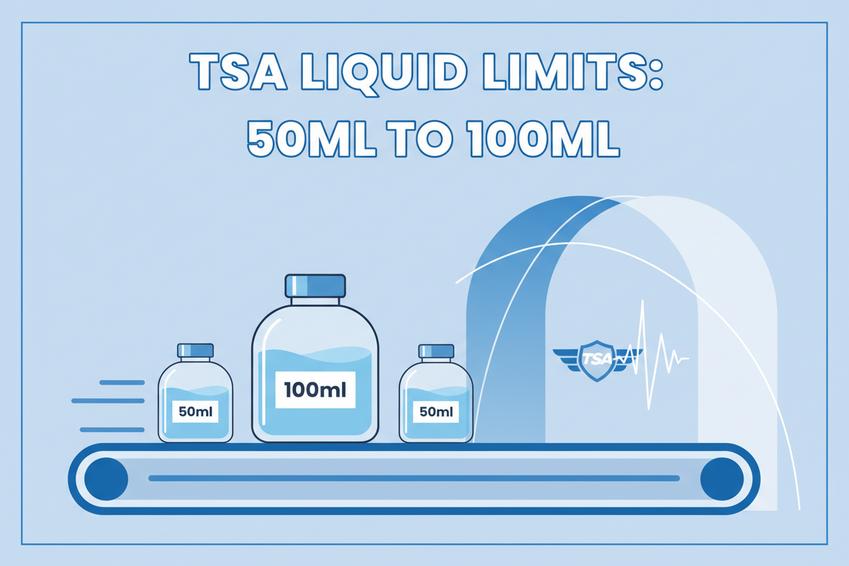
Key Points on Traveling Bottle Size
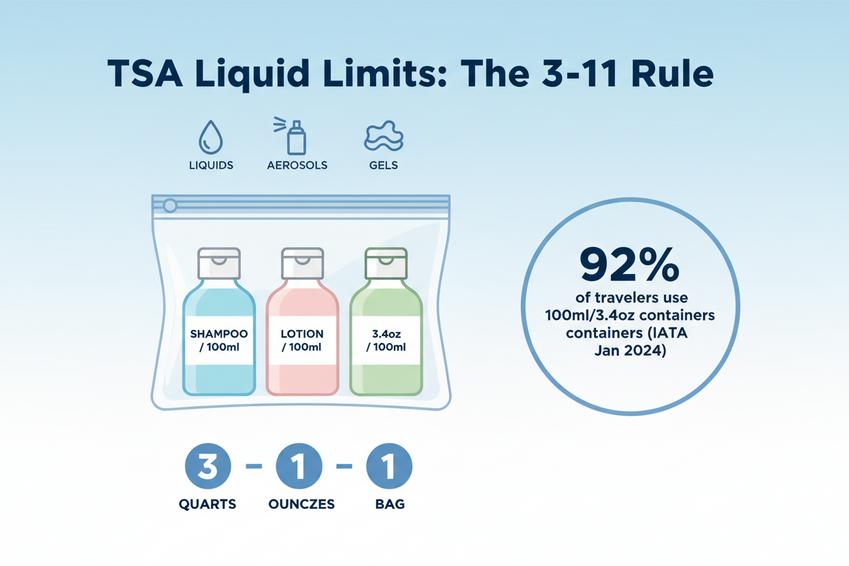
- TSA Regulations: Be aware of the 3-1-1 rule, which limits liquids to 3.4 ounces (100 milliliters) per container in a quart-sized bag.
- Popular Sizes: The 100-milliliter bottle is the most convenient choice, suitable for items like facial cleansers and body lotions.
- Material Choices: Glass bottles offer durability but are heavier, while PET plastic and HDPE plastic bottles are lightweight and TSA-friendly.
- Safe Closures: Opt for secure closures such as screw-on lids or flip-top caps to prevent leaks during travel.
- Color Matters: Amber brown bottles protect sensitive products from UV light, making them ideal for items like sunscreens and facial cleansers.
Understanding TSA Liquid Limits for Travelers
Navigating airport rules can be confusing, especially when it comes to liquid limits and container sizes during air travel.
The 3-1-1 Rule: What It Means for Your Liquids
- TSA uses the 3-1-1 rule to manage liquids at security checkpoints.
- You’re allowed:
- One clear quart-sized bag
- Containers no larger than 3.4 ounces
- Only one bag per person
- This rule applies to all carry-on luggage and includes items like gels, aerosols, pastes, and creams.
- Think of it this way: if your shampoo or lotion doesn’t fit into a single zip-top bag with your other liquids, it’s not making it through.
Even if you’re just packing a small amount of product, the container size—not the content volume—is what matters most under these travel regulations.
TSA Approved Volumes: Are 100-Milliliter Bottles Safe?
The short answer? Yes—100ml bottles are totally fine by TSA approved standards.
These bottles align with the liquid volume limit of 3.4 ounces, which is why they’ve become standard for anything from face mists to hair oils when flying with carry-ons.
According to IATA’s updated traveler compliance report from January 2024, over 92% of international travelers now use containers labeled precisely as “100 ml” or “3.4 oz” on packaging during flights.
This means that your go-to travel-size cleanser or conditioner—so long as it’s labeled correctly—won’t trigger any alarms at security lines.
Popular Liquid Types: Facial Cleansers vs. Body Lotions
Let’s break down two common types of liquids you might toss into your quart-sized bag:
Facial Cleansers • Usually packaged in squeezable tubes made of PET plastic • Often under the size limit—but check labels carefully • Can include exfoliating beads or oils that still count as liquids
Body Lotions • Thicker formulas but still classified as liquid by TSA • Typically available in compact pump bottles or jars • Should be stored with other toiletries like shampoo or makeup
When choosing between these personal care staples, always go for packaging that clearly states its volume—ideally marked “100 ml” or smaller—to stay within safe limits for any airline security check.
If you’re unsure whether something counts as a liquid under TSA guidelines, assume it does and pack accordingly using your best judgment around traveling bottle size options like cosmetic tube and leak-proof jars.
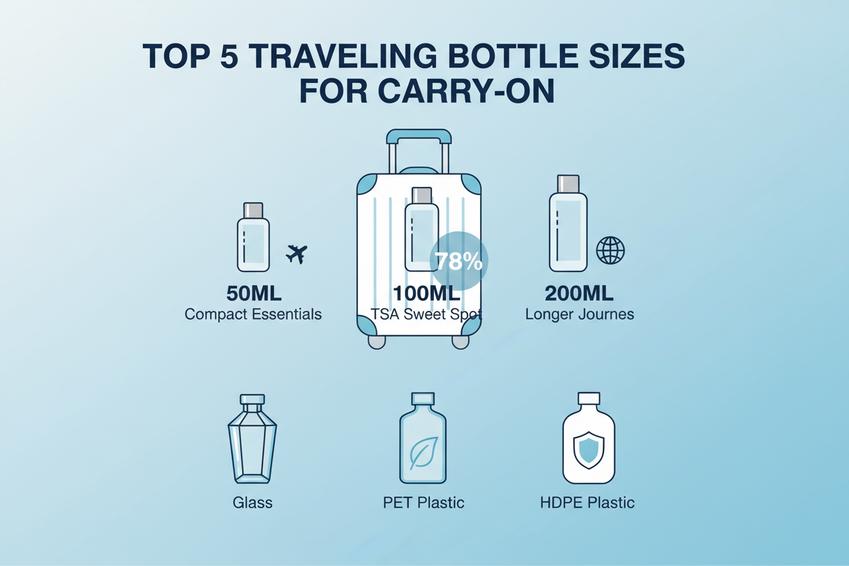
Top 5 Traveling Bottle Sizes for Carry-On
Choosing the right traveling bottle size can save space, prevent leaks, and keep TSA happy. Here’s your go-to guide for smarter packing.
50 Milliliters: The Compact Choice for Essentials
- 50ml bottles are tiny but mighty—they’re ideal for a weekend dash or even a same-day business trip.
- Think of these as your “pocket-sized” lifesavers: perfect for mini toiletries like lip balm, facial mist, or a dab of sunscreen cream.
- They slide into any carry-on pouch and breeze through security without hassle.
When you’re packing light but still want your must-haves, this is the size that won’t let you down.
100 Milliliters: The Most Popular Travel-Friendly Size
It hits the TSA sweet spot—100ml bottles are exactly what airport security allows per item.
Ideal for items like facial cleansers, serums, and body lotions, this size strikes a balance between enough product and easy portability.
According to IATA’s latest passenger behavior study from Q2 of 2024, over 78% of international travelers prefer carrying products under this volume limit due to faster screening times and fewer confiscations.
If you’re aiming to maximize functionality within the TSA liquid limits while keeping things neat, this is your MVP bottle size.
200 Milliliters: Ideal for Longer Journeys
• Extended trip? You’ll want more than just a dab of shampoo or conditioner. That’s where 200ml bottles shine.
• These workhorses are best stashed inside checked bags since they exceed carry-on liquid rules—but they’re perfect when you need extra volume without going full bulk-size.
• Choose sturdy packaging like aluminum tubes or thick-walled acrylic jars to avoid spills during transit.
Planning an island getaway or two-week Euro tour? This is the bottle size that won’t leave you short on essentials mid-trip.
Glass vs. Plastic: Which Packaging Material Works Best?
Short haul or long haul—it matters what your bottle’s made of:
- Glass bottles offer luxe appeal and are great for oils and perfumes; they don’t leach chemicals and feel high-end.
- Lightweight options like PET plastic bottles reduce bag weight—ideal when every gram counts at check-in.
- For durability, opt for HDPE plastic bottles, which resist impact better during bumpy rides or rough handling by baggage staff.
Topfeelpack recommends choosing materials based on both function and form—glass when style matters most, plastic when convenience wins.
Common Misunderstandings About TSA Liquid Rules
Not all liquid rules are as clear-cut as they seem. Let’s clear the fog around some popular myths and help you pack smarter.
Myths Debunked: Are Larger Bottles Ever Allowed?
- Oversized liquids like shampoo or lotion over 100ml? Nope, TSA doesn’t care if it’s half-empty—it still goes in checked bags.
- Exceptions exist for medical necessities, prescription medication, and baby items like baby formula or breast milk, but they require special declaration.
- Buying from duty-free? Sure, but make sure those duty-free purchases stay sealed and packed according to airport transfer rules.
You can’t sneak a big bottle into your carry-on just because it’s not full—TSA checks the label size, not the contents.
Misconceptions About Pump Dispensers in Carry-On Luggage
| Container Type | Max Volume Allowed | Leak Risk Level | TSA-Friendly? |
|---|---|---|---|
| Pump Bottles | ≤100ml | Medium | Yes |
| Spray Bottles | ≤100ml | High | Yes |
| Squeeze Tubes | ≤100ml | Low | Yes |
| Oversized Pumps | >100ml | Medium–High | No |
Pump bottles aren’t banned—but they do need to fit within the 3-1-1 rule. That means each container must be no more than 100 milliliters and packed inside a single quart-sized bag. To avoid messy surprises, double-check your sealing method—tight caps or locking pumps help with spill prevention during turbulence. Always inspect your toiletries before flying; even compliant bottles can leak if poorly sealed.
By sticking to these basics, you’ll breeze through security without tossing your favorite moisturizer.
Is Your Bottle Size Traveler-Friendly?
Smart packing starts with smart packaging. Let’s break down what makes your traveling bottle size practical, protective, and eye-catching.
Factors to Consider: Closure Type and Surface Finish
Choosing the right closure can be the difference between a leak-free trip and lotion all over your luggage. Here’s what matters:
- Closure type: Go for options like screw caps or flip tops—they’re secure and easy to open mid-flight. Avoid snap-on lids that pop off under pressure.
- Seal strength: A tight-fitting cap with an inner liner helps prevent leaks even when tossed around.
- Dispenser function: Pump dispensers are great for lotions; droppers suit serums; sprays work best for mists.
- Surface finish: A soft matte texture gives better grip, especially when hands are damp or oily.
- Material tip? Choose bottles made from PET or blowing bottle—lightweight but durable enough to survive rough handling.
Whether you’re carrying toner or toothpaste, these details keep your compact containers travel-ready.
Color Matters: When to Choose Amber Brown Bottles
When you’ve got light-sensitive formulas in tow, don’t risk product spoilage. Go amber:
- UV Protection Powerhouse – The dark tint of amber bottles blocks out harmful rays that break down actives in skincare.
- Ideal for Sensitive Products – Essential oils, retinol serums, and vitamin C blends stay fresher longer in these.
- Preservation Boost – Prevents oxidation and extends shelf life during long-haul flights or tropical getaways.
Bonus tip: Pair your brown bottles with airtight closures to double up on protection!
According to Mintel’s Global Packaging Trends Report Q2/2024, “Over half of consumers now consider UV protection a top factor when choosing travel-size skincare.”
Custom Decor for Travel: Label Printing Options to Stand Out
Travel-sized doesn’t have to mean boring. Dress up your bottles with branding that pops—and survives baggage claim.
• Waterproof printing keeps your design intact through spills and showers. No more smudged names or mystery liquids! • Use bold fonts and color-coded labels for fast product identification in crowded toiletry bags. • Screen printing offers sleek aesthetics while resisting scratches during transit.
| Label Type | Durability Level | Water Resistance | Best For |
|---|---|---|---|
| Paper Stickers | Low | None | Budget samples |
| Vinyl Labels | Medium | Moderate | General travel use |
| Screen Printed | High | Excellent | Premium branding |
| Laminated Wraps | Very High | Excellent | Luxury gift sets |
With Topfeelpack’s customization services, you can create stylish mini containers that aren’t just functional—they’re unforgettable.
Final Thoughts on Finding the Right Traveling Bottle Size
Small but mighty—that’s the goal when picking the perfect traveling bottle size.
• TSA-approved volume? Check—under 100ml is safe for carry-ons worldwide. • Lightweight material? PET beats glass every time if you’re counting grams. • Leak-proof design? Triple-seal it if you’re packing anything runny like shampoo or toner.
And don’t forget aesthetics—those mini bottles might end up on Instagram next to sunsets and hotel sinks!
FAQs about Traveling Bottle Size
How to choose the right traveling bottle size for cosmetics?
The decision often sits between 50 milliliter PET plastic jars for light hand sanitizer or trial sunscreen cream, and 100 milliliter HDPE bottles with flip top caps or screw on lids when more supply is needed but carry-on rules still apply. Matte texture finishes help steady slippery hands mid-journey, while clear transparent cream jar give an instant visual of what’s inside.
Are pump dispensers practical for travel-sized skincare?
Pump dispensers bring quick access to facial cleanser or body lotion — just keep them under the 100 milliliter mark in glass bottles or PET options. Pairing a pump with a frosted finish can soften glare in bright airport lighting, giving your product a calm and inviting look even in hectic terminals.
What colors work best for UV-sensitive formulas in small volumes?
Amber brown glass protects hair conditioner from sunlight streaming through airplane windows; opaque white HDPE shields body lotion without extra coating costs; black glossy cosmetic tube add drama while guarding against heat during summer trips. For maximum show-stopping effect at the point of opening, combine UV coated surfaces with hot stamping details on labels.
Does closure style affect safety when shipping compact cosmetics?
Yes — secure closures like screw on lids stop leaks inside quart-size bags, flip top caps offer fast control at boarding gates, spray nozzles handle fine mists for refreshing face sprays mid-flight, and dropper bottle suit targeted serum doses after long hours airborne. Silk screened graphics along matte sides build trust that every detail was crafted to endure travel turbulence.
References:
[1] Liquids, Aerosols, and Gels Rule | Transportation Security Administration – https://www.tsa.gov/travel/frequently-asked-questions/liquids-aerosols-and-gels-rule
[2] TSA & Airplane Liquid Limits, Restrictions, & Guides – https://travelpro.com/blogs/the-travelpro-blog/guide-to-liquids-in-airplanes
[3] The Science Behind Amber Glass and UV Protection – https://www.containerandpackaging.com/resources/The-Science-Behind-Amber-Glass-and-UV-Protection