5 Top Trends in Sustainable Paper Packaging for Cosmetics
Luxury meets eco-chic: why paper packaging cosmetics are stealing the spotlight—and how smart buyers are cashing in on the green beauty boom.
Toss your plastic compacts and clunky tubes—paper packaging cosmetics are having a serious glow-up. With eco-conscious shoppers scanning ingredient lists and scrutinizing packaging like beauty detectives, brands that skimp on sustainability risk being left in the dust (or worse, canceled on TikTok).
One McKinsey report found 60% of consumers consider sustainable packaging an important factor when purchasing beauty products. Translation? If your product’s dressed in plastic, it might not get a second glance—no matter how flawless the formula inside.
This isn’t just about saving trees—it’s about staying relevant. Smart brands aren’t just switching materials; they’re crafting entire experiences from recyclable wraps and sleek cosmetic tube sleeves that whisper luxury and responsibility.
Quick Glimpses: Key Consumer Shifts & Design Cues in Paper Packaging Cosmetics
➔ Eco-Driven Demand: Over 60% of U.S. consumers now prioritize sustainable packaging, making eco-friendly paper packaging a must-have for beauty brands.
➔ Gen Z & Millennial Influence: Younger shoppers are pushing the trend forward, demanding transparency and planet-friendly materials in cosmetics packaging.
➔ Recyclability & Compostability Matter: Consumers increasingly differentiate between recyclable, biodegradable, and compostable—understanding these terms impacts brand trust.
➔ Design Meets Functionality: Minimalist styles, interactive features, and multi-functional formats elevate paper packaging from simple wrap to brand experience.
➔ Sales with Sustainability: Brands adopting paper-based solutions see improved loyalty and enhanced image—proving that green choices boost both ethics and earnings.
Consumer Preferences Driving Sustainable Paper Packaging Trends
With eco-consciousness going mainstream, people are switching up how they shop—especially when it comes to what their products come wrapped in.
Shifting Attitudes: Why Consumers Favor Sustainable Options
- Environmental awareness is no longer niche—it’s mainstream. People are actively looking for packaging that doesn’t end up in landfills.
- The rise of ethical consumption means buyers want products that reflect their values, not just convenience.
- Shoppers are linking their purchasing decisions with long-term impact, pushing brands toward greener choices.
- Products with sustainable packaging, especially in beauty and skincare, now get more shelf attention than plastic-heavy competitors.
- A growing number of consumers associate eco-friendly products with quality and responsibility, giving them a competitive edge.
- Conscious buyers often research before buying, aligning with companies that prioritize the planet over profit.
From refillable bottle options to biodegradable wraps, the demand for smarter packaging has made terms like “compostable” part of everyday lingo in the world of paper packaging cosmetics.
Millennials and Gen Z: The Push for Eco-Friendly Choices
• Young shoppers—particularly Millennial consumers and those from Gen Z—are rewriting the rules on brand loyalty by prioritizing sustainability over status symbols.
- These digital-savvy groups expect transparency at every touchpoint—from sourcing to shipping.
- They evaluate a brand’s carbon footprint as closely as they do product reviews.
- Social media amplifies their preferences; if your product isn’t rocking an eco badge, it might not trend.
✦ Their values go deep into issues like climate change and waste reduction—they’re not just choosing brands; they’re choosing futures.
The influence of these generations on paper packaging cosmetics is massive—they want minimalist design paired with maximum sustainability. If your product screams green inside and out, you’ve got their attention.
How Brand Transparency Influences Packaging Preferences
Brands can’t fake it anymore—consumers want receipts when it comes to sustainability promises.
• Clear labeling about ethical sourcing, recyclability, or biodegradability builds real trust.
• When companies openly share details about their supply chain or use third-party certifications, they’re seen as more credible by today’s eco-conscious crowd.
• Products that display honest info on materials used in their makeup packaging, like FSC-certified paper or soy-based inks, win instant points.
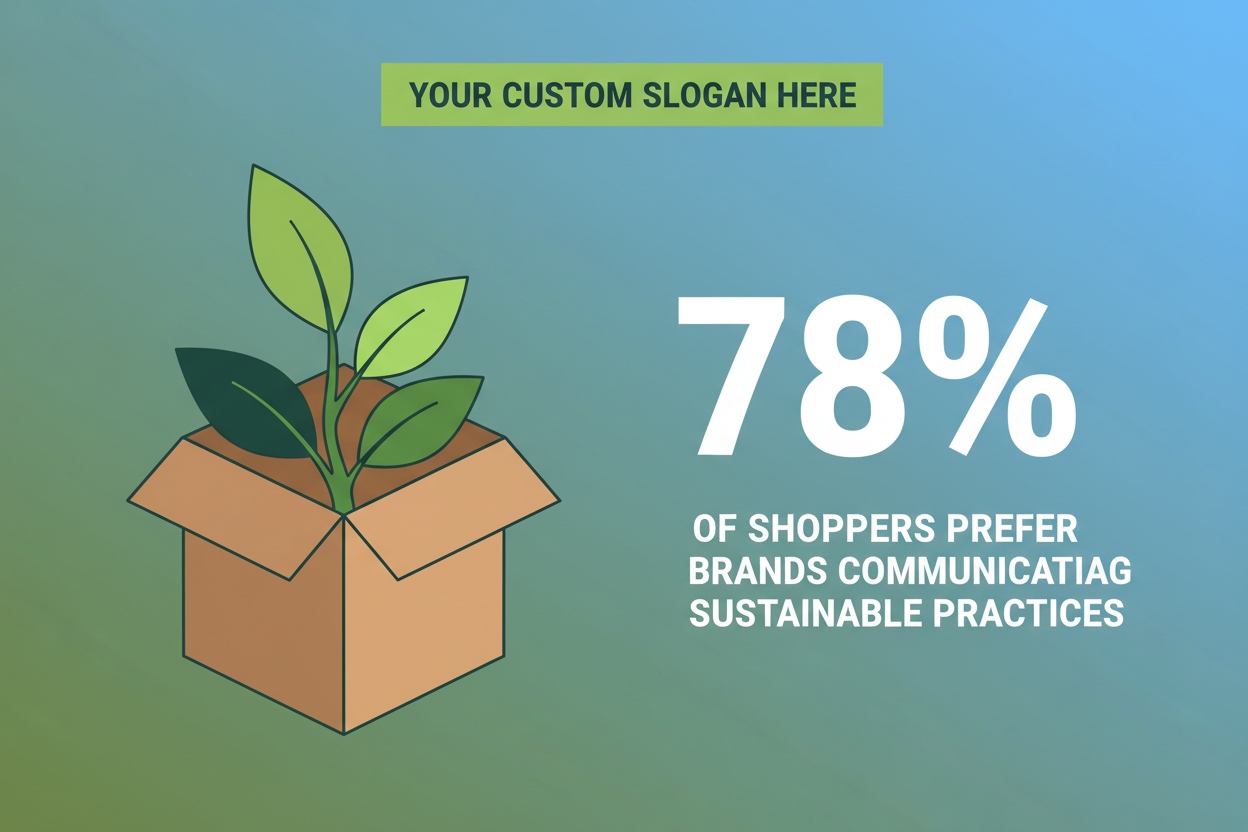
According to NielsenIQ’s 2024 Global Sustainability Report, 78% of shoppers said they’re more likely to buy from brands that clearly communicate sustainable practices on the label or website—a stat too big to ignore.
For brands diving into paper packaging cosmetics solutions, clarity isn’t optional—it’s expected. That’s where Topfeelpack shines by helping brands walk the talk with transparent and truly sustainable options built right into every cream jar and bottle wrap they produce.
Key Features Of Eco-Friendly Paper Packaging
Eco-friendly paper packaging cosmetics are reshaping how brands think about sustainability, with smarter materials and greener choices leading the way.
Compostable vs. Biodegradable: What’s the Difference?
- Compostable materials break down into non-toxic elements like water, carbon dioxide, and biomass under specific composting conditions.
- Biodegradable items decompose naturally but may leave residue or take years without controlled environments.
- Compostables support soil health by enriching it with nutrients post-decomposition.
- Not all biodegradable products are home-compostable—some need industrial facilities.
- Confusing labels? Yep. Look for certifications like ASTM D6400 or EN13432 to know what you’re really buying.
- In short, compostable = better for your garden; biodegradable = better than plastic but not always ideal.
For brands using paper packaging cosmetics, going compostable means aligning with eco-conscious consumers who value truly clean breakdown processes.
The Role of Recyclability in Consumer Decisions
| Attribute | High Importance (%) | Moderate Importance (%) | Low Importance (%) |
|---|---|---|---|
| Clear recycling instructions | 72 | 18 | 10 |
| Use of recycled content | 68 | 22 | 10 |
| Local recyclability | 64 | 25 | 11 |
| Visual appeal post-recycling | 59 | 27 | 14 |
Recycling isn’t just a nice-to-have anymore—it’s a dealbreaker. A recent NielsenIQ report from early 2024 found that nearly three out of four shoppers actively avoid products without clear recyclability info on packaging. For paper packaging cosmetics, this means printing those little arrows isn’t enough—you’ve got to spell it out. And hey, if your box looks good even after being recycled once? That’s bonus points.
Innovative Uses of Plant-Based Inks in Packaging
• Derived from renewable sources like soybeans, algae, and even corn starch, these inks ditch petroleum-based toxins entirely.
• They reduce VOC emissions during printing—way better for workers and the planet.
• Colors pop just as much as synthetic inks but come with a smaller footprint.
• Ideal for short-run boutique packaging often used by indie cosmetic brands trying to keep things fresh and sustainable.
In the world of paper packaging cosmetics, switching to plant-based inks is more than an aesthetic upgrade—it’s a statement that beauty doesn’t have to come at Earth’s expense.
Lightweight Materials: Reducing Carbon Footprint
Sustainability isn’t just about what goes into a box—it’s about how far that box travels and how heavy it is when it gets there.
- Lighter materials mean less fuel burned during shipping—simple math that adds up fast across thousands of units.
- Less weight also reduces wear on delivery vehicles and cuts down on emissions over time.
- According to McKinsey’s April 2024 Sustainability Index, brands that reduced package weight by just 20% saw logistics-related CO₂ emissions drop by up to 12%.
That’s not small potatoes when you’re talking global distribution networks for something like paper packaging cosmetics. Using featherweight yet durable board stock helps you ship smarter—and greener—without compromising shelf appeal.
As one analyst put it bluntly this year: “If your box weighs more than your product, you’re doing it wrong.”
How To Transition To Sustainable Paper Packaging For Cosmetics
Making the switch to eco-friendlier paper packaging cosmetics solutions takes more than good intentions—it’s about smart planning, savvy partnerships, and a bit of trial and error.
Step-by-Step: Evaluating Your Current Packaging
• Check your current packaging materials—are they recyclable or compostable?
• Gauge the environmental impact by calculating carbon emissions per unit.
• Review how customers perceive your packaging—does it align with their values?
- Evaluate cost analysis: Are you spending more on unsustainable formats?
- Compare performance: Does your current packaging protect the product well?
- Track waste output: Is there excess material that could be trimmed?
A recent report from McKinsey & Company notes that “brands reducing plastic dependency through paper-based alternatives are seeing an average consumer preference lift of nearly 18%.”
Short-term tweaks, like switching inserts to molded pulp instead of plastic trays, can have outsized impact without overhauling everything at once.
Partnering with Sustainable Suppliers: Finding the Right Fit
- Supplier certification is non-negotiable—look for FSC or PEFC labels.
- Prioritize partners who show transparency across their supply chain transparency reports.
- Ask about material innovation, such as water-resistant coating options made from algae or sugarcane.
Grouped by importance:
Ethical Standards:
– Do they follow fair labor practices?
– Are materials sourced responsibly?
Environmental Accountability:
– What’s their carbon footprint per shipment?
– Do they offer closed-loop systems?
Compatibility:
– Can they meet your volume needs?
– Are lead times reasonable?
According to the Ellen MacArthur Foundation Circular Economy report published early this year, brands working closely with sustainable suppliers saw packaging waste drop by up to 35%.
Overcoming Challenges in the Transition Process
Switching to sustainable paper packaging cosmetics isn’t always smooth sailing—but it’s doable with foresight and flexibility.
Cost is often a biggie. Newer materials may carry higher upfront prices due to limited scale. But don’t panic—bulk orders and long-term contracts can help offset this.
You’ll also need rigorous performance testing, especially for moisture resistance and shelf life stability.
Here’s a breakdown of typical hurdles:
| Challenge | Impact Level | Mitigation Tactic | Timeline |
|---|---|---|---|
| Higher Material Costs | High | Negotiate supplier discounts | Mid-term |
| Limited Material Availability | Medium | Diversify sourcing partners | Short-term |
| Regulatory Compliance | High | Hire compliance consultants | Ongoing |
| Consumer Acceptance | Medium | Educate via social channels | Immediate |
Don’t forget technical know-how—you’ll likely need some external help during production adjustments if your machinery isn’t optimized for paper substrates.
Ultimately, staying flexible while keeping consumer expectations top-of-mind will make all the difference when navigating these growing pains.
Innovative Designs In Sustainable Paper Packaging For Cosmetics
Sustainable packaging is evolving fast—and in the world of cosmetics, paper-based innovation is rewriting the rules.
Minimalist Aesthetics: The Rise of Simple and Elegant Designs
- Clean lines that let products breathe visually—consumers are drawn to what’s not there just as much as what is.
- Brands are opting for uncluttered layouts with muted tones to evoke calm, purity, and trust.
- Use of eco-friendly materials, like unbleached kraft board or FSC-certified stock, reinforces sustainability without shouting it.
- Subtle embossing and natural textures elevate tactile appeal while keeping things grounded in simplicity.
- Typography plays a starring role—sleek sans-serifs paired with generous white space create quiet sophistication.
- Minimalism isn’t boring—it’s strategic; it reduces printing costs and aligns perfectly with low-waste manufacturing goals.
This approach makes paper packaging cosmetics look refined yet responsible, proving less really can be more.
Interactive and Functional Packaging: Engaging Consumers
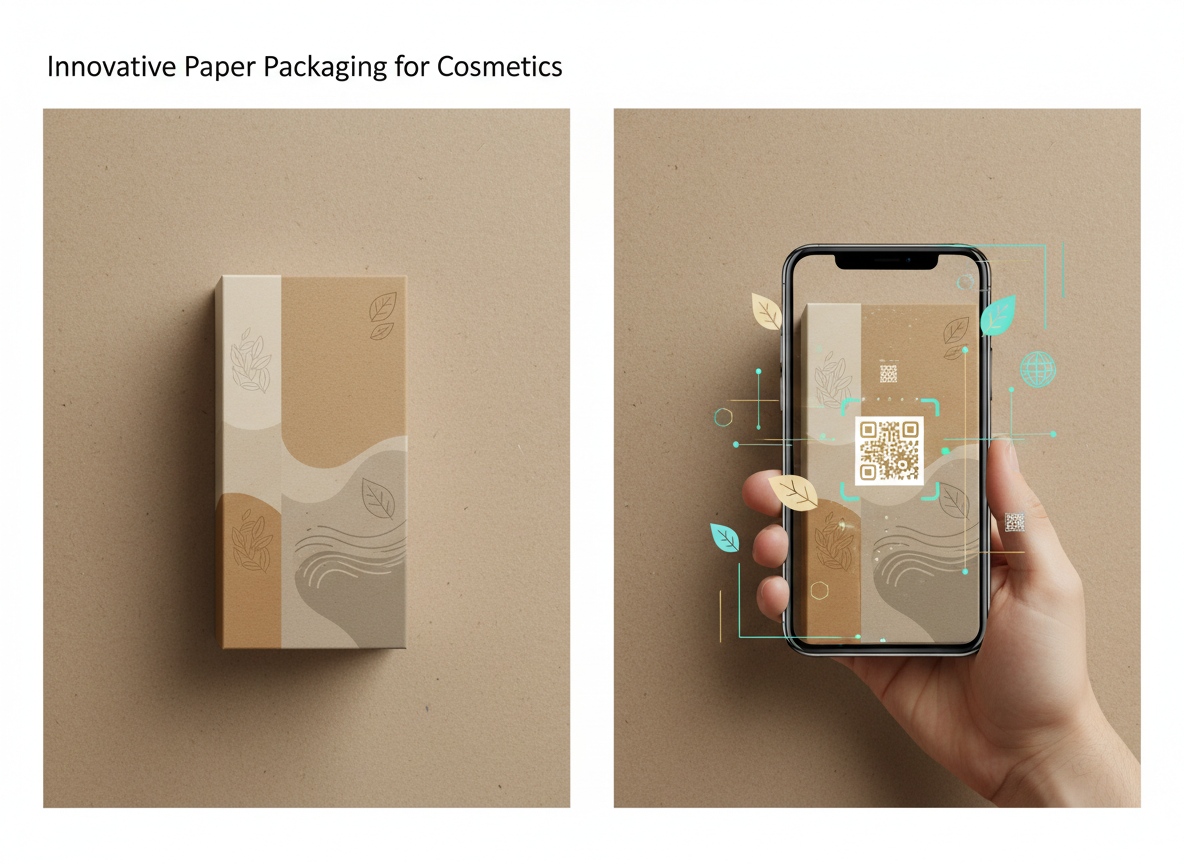
• Ever scanned a box only to find a virtual skincare tutorial? That’s the power of embedded QR codes, now standard in high-end eco-packaging.
- Some brands add augmented reality layers—hover your phone over the carton, get instant product tips or ingredient sourcing stories.
- Others go tactile with clever folds or hidden compartments that surprise users with samples or refillable bottle pods.
☼ Certain designs include pop-up flaps or pull-tabs that combine unboxing joy with informative storytelling.
Consumers love this stuff because it feels like play—like discovery wrapped inside utility.
Packaging for cosmetics made from paper isn’t just a shell anymore; it’s an experience hub packed with function, interaction, and emotion.
Multi-Functional Solutions: Combining Beauty and Utility
- Dual-purpose formats like cartons turning into display stands offer both form and function.
- Think foldable sleeves that double as mirrors.
- Or sliding trays that store applicators securely.
- Reusability isn’t just trendy—it’s expected.
- Brands use sturdy paperboard for containers meant to be kept on vanities long after purchase.
- Some even include refill systems using lightweight inserts tucked inside outer shells.
- Products come bundled in cosmetic packaging set storage solutions, like drawer-style boxes you’ll actually want to reuse.
- These reduce secondary waste while enhancing perceived value.
- It’s a two-for-one win for beauty lovers who care about sustainability.
- Everything screams practicality—from magnetic closures to integrated brushes—all within biodegradable materials.
This kind of thinking turns everyday items into keepsakes, making paper packaging cosmetics both smart and stylish.
Customization Trends: Personalizing Eco-Friendly Packaging
• Personalized touches speak volumes—and they’re easier than ever to implement sustainably now.
- Brands are offering bespoke kits where consumers pick shades, names—even box shapes—with options printed using sustainable inks on recyclable board.
- Limited runs often feature collector-style boxes adorned with custom art or seasonal motifs using digital print-on-demand tech—cutting down waste dramatically without sacrificing flair.
✧ From laser-cut initials to wax-sealed closures, personalization adds emotional weight without environmental guilt.
Some lines even offer mix-and-match colorways or modular designs so buyers can build their own look—from lid to label—with full alignment to brand values through every detail.
Whether it’s engraved logos or vibrant color options, today’s eco-aware consumers crave individuality wrapped up in meaning—and yes, all made from responsibly sourced paperboard designed for modern cosmetic needs.
Why Switching To Paper Packaging Can Boost Your Sales
Swapping out plastic for paper isn’t just good for the planet—it’s smart business too.
Consumer Loyalty: How Eco-Friendly Choices Drive Repeat Purchases
- Customers today crave more than just a pretty bottle—they want purpose.
- Choosing eco-friendly choices like recycled or compostable materials tells buyers you care.
- This builds real brand trust, which keeps them coming back.
- Shoppers are 67% more likely to repurchase from brands that align with their values—like sustainability.
- The feel and look of sustainable packs, especially in the paper packaging cosmetics space, create a tactile connection that consumers remember.
Brands that adopt green packaging often see a direct bump in customer retention, especially among Gen Z and millennial audiences.
One study found that customers who believe in a brand’s ethics are up to 80% more loyal over time. That’s not fluff—that’s cash flow.
Short bursts of insight:
- Recyclable containers = higher perceived value
- Compostable wraps = stronger emotional bond
- Plastic-free = “this brand gets me” vibes
Switching to sustainable options like cosmetic tube solutions or cartons is no longer niche—it’s expected. As buyers increasingly lean into ethical consumption, your packaging becomes your handshake, your pitch, and your promise all at once.
The Competitive Edge: Enhancing Brand Image and Sales
• A clean, minimal design on matte-finish cartons screams premium—even when it’s made from recycled pulp.
• In the crowded shelves of beauty aisles, differentiation is everything. Using innovative shapes in paper packaging cosmetics can stop scrolls and turn heads fast.
• Brands embracing sustainability aren’t only checking boxes—they’re building a story worth sharing on socials.
Step-by-step edge-building:
- Start by auditing current materials—what’s recyclable? What’s not?
- Replace plastics with molded fiber trays or kraft-based wraps.
- Highlight these changes on the label: transparency fuels positive customer perception.
- Train sales reps to talk about sustainability as part of your core identity—not an afterthought.
- Use this narrative across campaigns; make it part of your wider marketing strategy.
Grouped benefits by category:
Brand Reputation Boosters: – Aligns with rising eco-conscious values
– Positions company as forward-thinking
Sales Enhancement Drivers: – Shortens buyer hesitation time
– Encourages social sharing via unboxing appeal
Market Differentiation Tactics: – Custom die-cut sleeves unique to each product line
– Earth-toned aesthetics tied directly to nature themes
By switching to paper-based formats within the cosmetic industry—think folding cartons, wraparound labels, or even corrugated tubes—you tap into deeper emotional triggers around care and responsibility.
Topfeelpack understands how critical this shift is—not just for the earth but also for staying ahead in an increasingly competitive market where every detail counts toward winning loyalty and boosting bottom lines through smarter airless bottle design choices anchored in sustainability-driven branding strategies.
FAQs about Paper Packaging Cosmetics
Why are paper packaging cosmetics so attractive to eco-conscious buyers? It’s not just about the material—it’s a statement. People want their purchases to reflect who they are. With paper-based cosmetic packaging, you get:
- Recyclable and often compostable materials that feel guilt-free
- Lightweight designs that reduce shipping emissions
- Inks made from plants instead of petroleum—gentler on skin and Earth
This kind of packaging doesn’t whisper sustainability—it shouts it.
Can switching to paper packaging really change how people see my brand? Absolutely. When someone picks up your product wrapped in clean, recyclable paper with minimal ink and no plastic sheen, they’re not just holding makeup—they’re holding proof that your brand cares. That emotional connection builds loyalty faster than any ad campaign.
Is customization possible without sacrificing eco-friendliness? Yes—and it’s becoming easier every year. Many suppliers now offer:
- Soy or algae-based inks for printing logos or patterns
- FSC-certified papers in various textures and finishes
- Die-cut shapes that add flair without adding waste
You can still stand out on the shelf while staying true to sustainable values.
What challenges might I face when moving away from plastic containers? There may be hurdles: higher upfront costs, limited waterproofing options, or even supplier delays during transitions—but these aren’t deal-breakers. They’re growing pains as you shift toward something better. And customers notice when brands take those steps—even imperfect ones—with honesty.
Do younger shoppers really care this much about sustainable beauty packaging?More than ever before. Gen Z especially sees purchasing as activism; if your lipstick comes swaddled in biodegradable elegance instead of shrink-wrapped glossiness, you’re speaking their language loud and clear—and they’ll tell their friends too.
References
[1] Winning in sustainable packaging in 2025: Bringing it all together – McKinsey
[2] The 2025 Sustainable Packaging Consumer Report – Shorr
[3] Gen Z beauty trends: The generation shaking up the industry – beautydirectory
[4] Consumer Outlook 2024 – NIQ
[5] Biodegradable vs compostable bioplastic: understating key differences and standards – coffeefrom
[6] Sustainable Packaging Statistics Show Consumers and Businesses Driving a Revolution – stampedwithlovexoxo
[7] Eco-Friendly Inks for Packaging: Types, Benefits, Trends – Meyers Printing
[8] Eco Friendly Packaging Market Size, Share & Forecast Report 2035 – marketresearchfuture
[9] Tackling flexible plastic packaging waste – Ellen MacArthur Foundation
[10] Gen Z Insights: 5 Key Trends in Personal Care and Cosmetics – Opeepl
[11] The 7 Most Sustainable Printing Inks for Packaging – Qinghe Chemical
[12] Gen Z Beauty Trends 2025: Authenticity, Inclusivity, & More – Attest