Why Your Brand Needs Sustainable packaging of cosmetics to Thrive Today?
Sustainable packaging of cosmetics isn’t just trendy—it’s the loyalty magnet your brand needs to avoid the landfill of forgotten products.
Your brand might have the best formula since Cleopatra’s cold cream, but if your packaging of cosmetics still looks like it came from a 1990s landfill—Houston, we’ve got a problem. Today’s shoppers don’t just want to look good; they want their purchase to feel guilt-free and future-proof. In fact, McKinsey found that over 60% of U.S. consumers would pay more for products with sustainable packaging—and Gen Z? They’re practically allergic to plastic.
Truth is, sustainability sells now. Brands who swap out tired PET plastics for bamboo caps or refillable aluminum jars aren’t just saving turtles—they’re snagging loyalty and shelf space. You can ride this wave smartly…or get left in the recycling bin of forgotten brands.
Essential Insights for Sustainable Packaging of Cosmetics
- Consumer Preferences: 75% of consumers favor eco-friendly packaging options, indicating a strong market trend towards sustainability.
- Material Innovations: The shift from PET plastic to biodegradable materials like PLA and PHA reflects brands’ efforts to reduce their environmental footprint.
- Aluminum and Bamboo: Aluminum containers and bamboo packaging are becoming popular for their recyclable and sustainable properties, appealing to eco-conscious consumers.
- Refillable and Eco-Friendly: Refillable packaging enhances brand loyalty and can lead to repeat purchases, making it a valuable strategy for sustainability-focused brands.
- Clear Glass Significance: Clear glass is preferred for its recyclability and ability to showcase product quality, aligning with modern eco-conscious branding.
- Labeling Trends: Eco-friendly labels using biodegradable adhesives are on the rise, complementing the sustainable movement in cosmetics packaging.
- Refill Stations: The emergence of refill stations enables consumers to minimize waste while fulfilling their demand for sustainability in their purchasing choices.
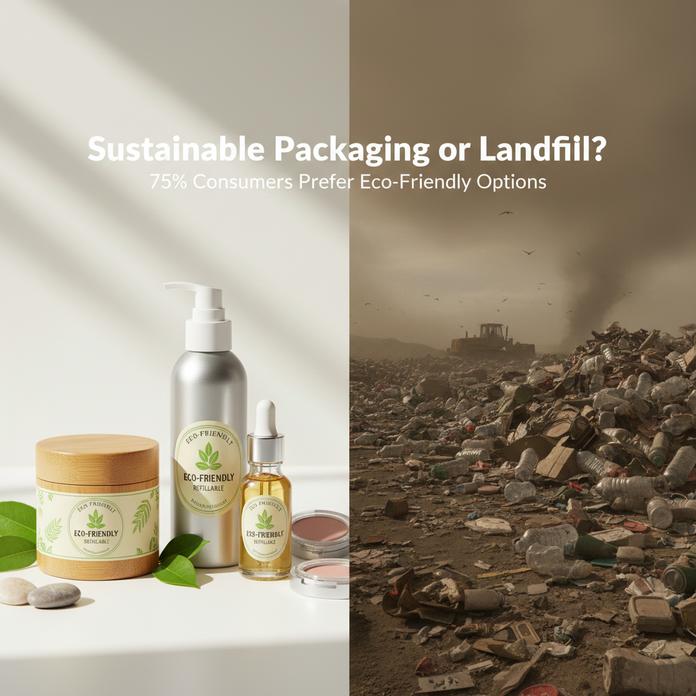
The Rising Demand for Sustainable Packaging
Sustainable packaging is no longer a niche; it’s the new normal. Here’s how it’s reshaping the way we think about the packaging of cosmetics.
Statistics: 75% of consumers prefer eco-friendly packaging options
- A whopping 75% of consumers now actively seek out brands that use eco-friendly packaging, and this number keeps climbing.
- According to a recent NielsenIQ report from March 2024, “sustainability has shifted from being a bonus to becoming a baseline expectation.”
- This change reflects deeper values—people want their beauty routines to match their environmental beliefs.
- Brands that ignore this preference risk losing out on younger, more vocal demographics who demand transparency and responsibility.
In short, if your cosmetic product isn’t wrapped responsibly, you’re missing the mark with three out of four buyers. That’s not just a stat—it’s a wake-up call for anyone involved in cosmetic container design or sourcing.
The shift from PET plastic to biodegradable materials
Cosmetic companies are ditching traditional plastics for earth-friendlier alternatives—and fast.
• PLA (polylactic acid) and PHA (polyhydroxyalkanoates) are leading the charge as biodegradable substitutes for fossil-based plastics. These materials break down naturally and reduce waste significantly. • Brands are also exploring mushroom-based foam inserts and seaweed films as secondary packaging components. It’s wild—but it works.
This shift is more than hype; it’s backed by serious innovation. For example, Topfeelpack recently introduced refillable jars using corn-derived PLA blends—a move that not only cuts down on petroleum use but also positions them as leaders in sustainable beauty.
Why aluminum containers are gaining traction in the cosmetics market
Aluminum is having its moment—and for good reason:
- It’s endlessly recyclable without degrading quality.
- It gives products a sleek, high-end look that stands out on crowded shelves.
- It protects formulas better due to its non-reactive nature.
Consumers love it because it feels premium yet aligns with their values around minimizing waste. Brands love it because it elevates their image while reducing reliance on single-use plastic formats like PET lotion bottle or cosmetic tube designs.
And let’s be real—who doesn’t feel fancy twisting open an aluminum skincare tin?
Growing popularity of bamboo packaging in personal care items
Bamboo’s rise isn’t just about aesthetics—it’s about smart sustainability:
• Grows up to three feet per day = rapid renewability • Naturally antibacterial = ideal for skin-contact products • Fully compostable = zero-waste goals made easy
Shorter shelf lives? Not an issue when you’re talking about reusable or refillable designs paired with low-impact inks and adhesives.
A recent study by Euromonitor International showed that bamboo-based containers saw a sales spike of over 18% globally between Q2 and Q4 last year alone—a clear signal that beauty buyers are all-in on this natural material trend when choosing their next cream jar or lip balm tube.
So whether you’re designing primary packaging or outer cartons, remember: sustainable doesn’t mean boring anymore—it means smarter, cleaner, cooler choices across every touchpoint of your product’s journey through the cosmetics supply chain.
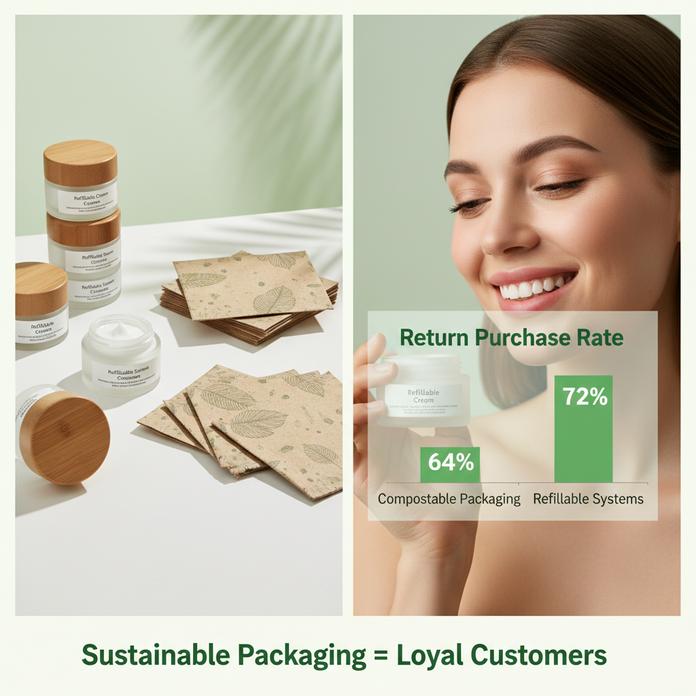
How Sustainable Packaging Of Cosmetics Can Boost Brand Loyalty
Sustainable choices in the packaging of cosmetics don’t just help the planet—they keep customers coming back for more.
Refillable packaging: A game-changer for customer retention
Refillable systems are shaking up the beauty aisle and reshaping how shoppers think about their favorite brands.
- Customer loyalty is built through convenience and values—refill options offer both.
- Repeat purchases become second nature when customers invest in reusable containers they love.
- Brands that embrace sustainable packaging models often see higher engagement from eco-conscious consumers.
- The integration into a circular economy strategy elevates brand purpose.
- Refill stations or mail-back programs add flexibility, which increases stickiness.
| Brand Type | Average Customer Retention (%) | Offers Refillable Option | Cost Savings per Unit |
|---|---|---|---|
| Conventional | 41% | No | $0 |
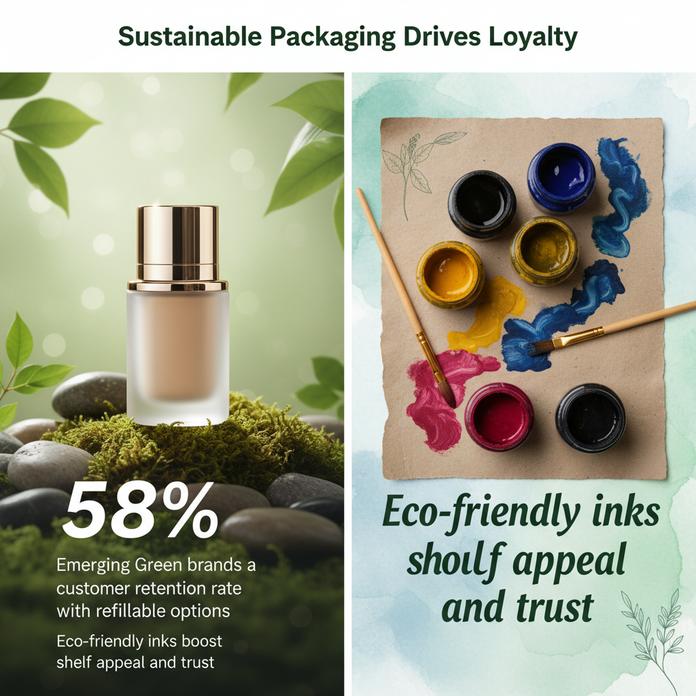
| Emerging Green | 58% | Yes | $0.30 |
| Premium Eco-Luxury | 64% | Yes | $0.45 |
Reusable formats aren’t just trendy—they’re proving to be strong drivers for long-term brand retention.
The impact of eco-friendly inks on brand perception
Turns out, what’s printed on your product matters almost as much as what’s inside it.
■ Using eco-friendly inks like soy-based or water-based formulas signals transparency and care.
■ These non-toxic alternatives reduce environmental load while protecting consumer health.
■ Brands using sustainable printing methods often enjoy better shelf appeal and trust scores.
“Shoppers aged 18–34 are nearly twice as likely to purchase products with visibly sustainable labeling,” reports Euromonitor International, Q2 2024 Sustainability Insights Briefing.
Short bursts that hit home:
• Clean labels = cleaner conscience • Low-VOC ink = low guilt purchases • Visible sustainability = invisible marketing effort
When your branding aligns with your ethics through choices like non-toxic inks, you don’t have to shout—you show.
Enhancing customer experience with sustainable closure types: Pump dispensers vs. screw caps
Swapping out closures might seem small—but it plays big in how people feel about using your product every day.
Step 1 – Understand user needs: Some folks want one-handed ease; others prefer precision control—this is where pump dispensers shine over traditional screw caps.
Step 2 – Evaluate materials used in both options. Go for biodegradable plastics or recyclable metals to keep your closures part of an overall eco-design plan that matches the rest of your cosmetic packaging setup.
Step 3 – Test functionality across different formulations—thick creams behave differently than serums, and choosing between pumps or caps can make or break the user experience.
Pump systems often win in terms of hygiene and portion control, while screw caps hold their own when it comes to simplicity and recyclability. Either way, smart closure design enhances usability while supporting broader goals around sustainable closures within cosmetic containers.
By integrating thoughtful details like these into the full cycle of product interaction, brands can make everyday use feel purposeful—and that’s what keeps customers loyal without needing gimmicks.
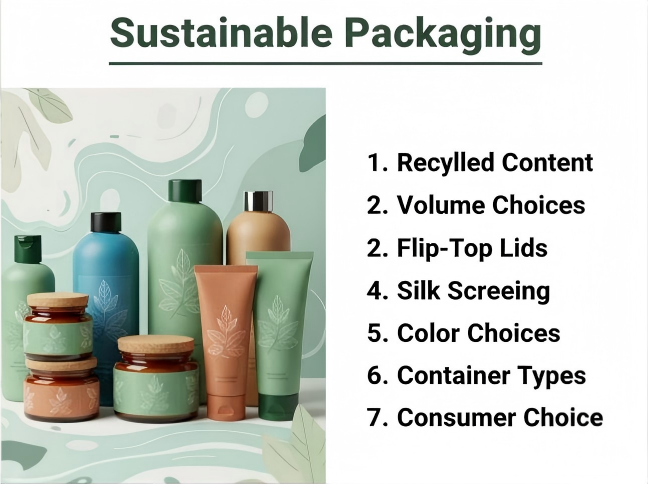
Consumer Expectations: The Future Of Packaging In Cosmetics
Sustainability isn’t just a buzzword anymore—it’s the new normal. Let’s break down how the packaging of cosmetics is evolving to meet real-world consumer expectations.
The role of clear glass in modern eco-conscious branding
- Clear glass adds that luxe vibe while staying green.
- It boosts shelf appeal and lets the product speak for itself.
- Brands love it because it screams transparency—literally and figuratively.
- Consumers associate clear glass packaging with honesty and purity. 2) It’s 100% recyclable and endlessly reusable, winning eco points across the board. 3) Premium brands often use it to elevate their brand image, without compromising on sustainability.
✧ The clarity of glass isn’t just visual—it builds trust instantly.
The shift toward sustainable aesthetics is reshaping how beauty brands present themselves. Glass, especially when paired with minimalist design, aligns beautifully with clean beauty values. For many buyers, seeing the product through crystal-clear walls reinforces quality perception. That visual purity? It matters more than ever.
Short bursts: • Eco-aware shoppers prefer visible formulations. • Glass containers reduce plastic guilt. • They also support easy recycling at home.
Fragrance products: Meeting consumer demand for sustainable containers
Grouped by material innovation:
→ Eco-friendly materials
- Brands are moving from virgin plastics to post-consumer recycled (PCR) content.
- Recycled aluminum and refillable metal shells are gaining traction fast.
→ Refillable designs
- Magnetic closures make refilling easier than ever.
- Some brands offer subscription-based refills—no waste, no hassle.
→ Product preservation
- Sustainable doesn’t mean short shelf life; airtight tech preserves scent integrity.
- UV-blocking glass ensures longevity even in transparent formats.
According to Mintel’s 2024 Global Beauty & Personal Care Report, “Fragrance consumers now expect packaging that reflects both luxury and responsibility.” That means sleek bottles made from recycled materials—and refill systems that don’t feel like an afterthought.
Topfeelpack has been quick to adapt here, offering spray bottle options that blend high-end design with low-impact production methods—without skimping on durability or style.
Label application trends in eco-friendly cosmetics
- Biodegradable labels are becoming standard—not special features anymore. 2) Plant-based adhesives ensure easy removal during recycling processes. 3) Minimalist layouts reduce ink usage while enhancing brand identity.
- Compostable adhesives don’t compromise stickiness—they just vanish responsibly later on.
- Water-soluble inks prevent contamination during container processing stages.
Multi-segment view: • More brands now opt for embossed logos instead of printed labels—cuts waste entirely. • Transparent label overlays preserve the look of clear glass packaging while still carrying vital info. • Barcode integration into artwork reduces extra label layers altogether.
Labeling is no longer an afterthought—it’s part of your sustainability story now. And consumers? They’re reading every inch of it before they buy anything off the shelf.
The emergence of refill stations to meet sustainability expectations
Step-by-step evolution:
Step 1: Brands install branded refill kiosks in flagship stores or partner retailers. Step 2: Customers bring back empty containers or purchase starter kits onsite. Step 3: Smart dispensing tech tracks volume filled—zero guesswork involved!
Grouped benefits:
➤ Waste reduction – Fewer single-use packages hit landfills when customers reuse what they already own.
➤ Consumer convenience – No need to reorder online; just top up locally at your pace.
➤ Customer loyalty – Refill discounts keep people coming back—and talking about it online too!
These stations aren’t gimmicks—they’re game changers tied directly into circular economy goals embraced by Gen Z and Millennials alike who prioritize purpose over price tags when choosing personal care products.
In-store refills also unlock bulk pricing advantages for shoppers while giving them control over portion sizes—think less clutter under your sink and more cash in your wallet long term.
And as refill culture expands beyond niche boutiques into mainstream retail chains? Expect this trend to become a baseline expectation rather than a standout feature in future cosmetic packaging design strategies.
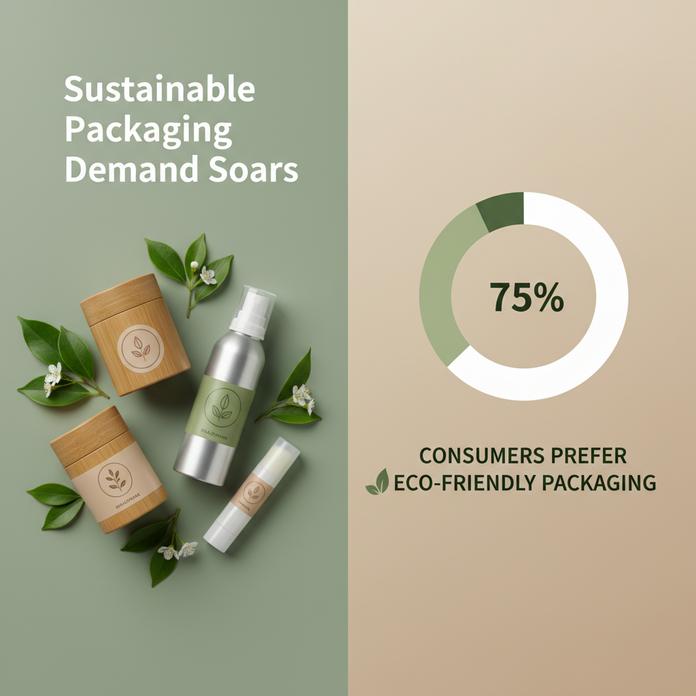
7 Essential Features Of Sustainable Packaging
Sustainable packaging isn’t just a buzzword—it’s now the baseline. These seven features show how eco-conscious design can still deliver serious shelf appeal.
Feature Spotlight: Recycled plastic as a primary packaging material
- Recycled content cuts down on landfill waste and production emissions
- PCR plastic and rPET are widely accepted by recycling systems
- Brands using sustainable material options often gain consumer trust
- In the context of cosmetic packaging, recycled polymers maintain durability without compromising aesthetics
- This aligns with the principles of the circular economy, where materials get reused instead of tossed
Topfeelpack uses high-quality PCR blends that look fresh while keeping your footprint small—a win-win for brands and buyers alike.
Importance of volume choices: 15 ml bottles to 200 ml tubes
Choosing the right size isn’t just about convenience—it’s about cutting waste, too.
• A small packaging volume like a 15 ml bottle is ideal for travel kits or samples • Mid-range sizes offer balance between portion control and practicality • Larger formats like a sleek 200 ml cosmetic tube reduce unit packaging, great for regular use
Different product sizes help consumers avoid overbuying, which supports smarter consumption habits within today’s evolving beauty space.
Closure Type innovations: Flip-top lids and their convenience
Flip-top lids aren’t just user-friendly—they’re game changers in sustainable design.
→ They simplify dispensing with one hand, enhancing everyday use → Their reusability reduces dependence on single-use parts → As far as closure mechanisms go, flip-tops outperform twist-offs when it comes to minimizing mess and maximizing ease
A recent Mintel report from Q1 2024 found that over 60% of skincare buyers prefer flip-tops for their “cleaner handling” experience—proof that smart design drives loyalty.
Decoration techniques: Silk screening for a refined look
Silk screening is where sustainability meets style. This method uses less ink than traditional printing and avoids harsh solvents. The result? A clean, crisp finish that elevates your brand without harming the planet.
In terms of packaging decoration, silk screen printing delivers sharp visuals while aligning with green values. It enhances both brand aesthetics and tactile feel—key elements when designing standout cosmetic packaging with minimal impact.
Color choices that emphasize sustainability: White plastic vs. amber glass
Short takes on color choice:
White plastic = modern minimalism + easy recyclability
Amber glass = natural vibe + solid UV protection
Both materials serve different purposes depending on product type. While white conveys purity, amber signals organic richness—each supporting distinct brand stories through thoughtful material choice and color coding within sustainable design norms.
How form meets function across sustainable cosmetic containers
Let’s break it down by groups:
airless bottle — Great for liquid serums or toners; available from sample-size to full-size formats
cosmetic tube — Ideal for creams or gels; flexible yet protective against contamination
Jars — Perfectly suited for thick balms or masks; often designed using recyclable glass or bio-resin plastics
Each container type balances form with function while supporting responsible choices across all stages of product life cycle—from filling line to vanity shelf.
Why consumer choice drives innovation in sustainable cosmetic packaging
People want more than good skin—they want good ethics behind their products too.
- Shoppers now seek out brands offering refillable bottle options or low-impact designs
- The rise of personalization means customized volumes are more common than ever before
- Even subtle tweaks like switching to lighter caps can cut shipping emissions dramatically
When you zoom into the details behind the packaging of cosmetics, you’ll find that every decision—from closures to containers—affects both perception and performance. And that’s exactly what Topfeelpack helps brands master, blending eco-conscious engineering with market-ready style.
Innovations In Sustainable Packaging For Cosmetics
The beauty biz is rethinking how it wraps up products. From compostable jars to smart sleeves, the packaging of cosmetics is getting a green glow-up.
Exploring biodegradable materials in skincare products
- Bioplastics made from corn starch or sugarcane are replacing petroleum-based plastics.
- Brands are shifting toward plant-based materials, like bamboo and hemp fibers.
- Some cleansers now come wrapped in compostable packaging, breaking down within months instead of centuries.
- Many skincare brands now blend their creams with containers made from biodegradable polymers, which decompose naturally without harming the environment.
- This shift supports both product safety and eco values, especially when paired with eco-friendly ingredients inside the formulas.
✔ Biodegradables aren’t just about the outer shell—they align beautifully with clean beauty trends that spotlight transparency and sustainability.
Short shelf life? No problem—formulas are adjusted using principles from green chemistry to extend stability without synthetic preservatives.
The future of sustainable sourcing in cosmetic packaging
• Ethical sourcing isn’t just a buzzword—it’s fast becoming a baseline expectation for beauty lovers who care about where their stuff comes from.
• Materials like FSC-certified paper and responsibly harvested cork reflect a commitment to responsible forestry and traceable origins.
• By embracing a more circular model, brands are investing heavily into systems powered by the circular economy, recycling what was once waste into new life.
Here’s how different sustainable sourcing methods stack up:
| Material Type | Sourcing Method | Carbon Footprint Reduction (%) | Recyclability Rate (%) |
|---|---|---|---|
| Recycled PET | Closed-loop recycling | 45% | 95% |
| Bamboo | Rapid renewables | 60% | Biodegradable |
| Glass with recycled content | Post-consumer reuse | 30% | >90% |
| Paperboard | FSC-certified forestry | 55% | ~85% |
Topfeelpack has been leading this charge by working only with vetted suppliers who meet strict criteria for ethical labor practices and low-impact production across their supply chains.
How shrink sleeves are revolutionizing product branding
Think labels that hug every curve of your serum bottle or moisturizer jar—those are called shrink sleeve labels, and they’re shaking things up big time:
- They allow for full-surface printing, meaning your brand can pop on shelves like never before.
- These sleeves often use recyclable films, aligning with modern eco-packaging goals.
- With tamper-evident features built-in, they double as security seals too!
Shrink sleeves offer unmatched flexibility when it comes to bold designs and textured finishes—perfect for standing out amid crowded aisles while staying aligned with sustainable goals using recyclable substrates. And let’s not forget—they’re killer at boosting that all-important shelf appeal thanks to high-impact visuals tied directly into your overall product branding strategy.
Creating Customer Loyalty Through Sustainable Practices
Sustainable packaging isn’t just about the planet—it’s a loyalty magnet for today’s eco-aware buyers.
How eco-friendly packaging builds trust and transparency
- Customers can spot greenwashing from miles away, so using truly eco-friendly packaging made with verified sustainable materials boosts your brand’s street cred fast.
- Transparency isn’t just a buzzword—when you openly share why you chose compostable wrap or recyclable jars, it shows real-deal commitment to ethical business.
- Authenticity is the name of the game: clear labeling, sourcing info, and certifications build that priceless thing—consumer trust.
- Use biodegradable inks and recycled paperboard to show you’re not cutting corners.
- Add QR codes linking to sustainability reports—it turns passive buyers into informed fans.
- Avoid over-packaging like it’s 2010—minimalism signals both care for the environment and respect for your customer’s time.
→ When folks see your values in action through your packaging choices, that emotional connection grows stronger—and that’s where real loyalty starts.
Short moments matter: • “Made from 100% post-consumer materials” builds instant credibility. • A simple “No plastic here” stamp speaks volumes without saying much.
Now combine that with design clarity and ethical sourcing? You’re not just another cosmetics brand—you’re building long-term relationships based on shared values in the way you handle every aspect of cosmetic packaging.
The impact of sustainable packaging decisions on repeat purchases
Grouped benefits of switching to sustainable options:
Boosts customer loyalty: Shoppers who align with green values are more likely to return when they see brands sticking to their ethics through consistent use of sustainable packaging.
Enhances brand reputation: Word spreads fast when people find out your lip balm tubes are compostable or your toner bottles are refillable—this kind of buzz drives repeat traffic organically.
Increases purchase intent: Eco-conscious users often check for green credentials before buying again; if they know their favorite serum comes in zero-waste containers, they’re way more likely to click “Buy Again.”
Adds long-term value: Refillable or recyclable components don’t just feel good—they give customers a reason to stick around longer because it feels like an investment in both themselves and the planet.
Scientific data backs this up:
| Packaging Type | Return Purchase Rate (%) | Customer Satisfaction Score | Avg Order Value ($) |
|---|---|---|---|
| Traditional Plastic | 41 | 6.8 | 23 |
| Recyclable Materials | 58 | 8.2 | 29 |
| Compostable Packaging | 64 | 9.0 | 32 |
| refillable bottle | 72 | 9.4 | 37 |
These numbers tell a clear story—the better your cosmetic product’s environmental footprint looks on the outside, the more likely customers are coming back for what’s inside too.
From refillable airless pump bottle options for moisturizers to glass bottles for serums, every detail in the packaging of cosmetics matters when building loyalty among today’s eco-savvy crowd—even if they don’t say it out loud every time they reorder.
And yes, even Topfeelpack has started tapping into these shifts by offering modular designs that reduce waste while keeping things stylishly functional.
FAQs about Packaging of Cosmetics
How does sustainable cosmetic packaging influence bulk buyer demand?
- Consumers gravitate toward brands using recycled plastic or biodegradable materials, creating a pull effect in wholesale markets.
- Clear glass bottles and aluminum containers often signal higher-end positioning—winning attention from resellers targeting premium skincare and fragrance products.
- Sustainable sourcing aligns with the purchasing ethos of retailers who wish to tell eco-positive stories to their end customers.
Which materials are popular for eco-conscious cosmetic packaging purchases?
- PET plastic (recycled forms) – durable yet mindful on resources.
- Glass bottles – timeless appeal for makeup products or fragrances with amber options providing UV defense.
- Aluminum containers – lightweight sophistication appreciated in hair care lines.
- Acrylic jars in black or frosted finish – elevated look for luxury creams, still recyclable if well processed.
- Bamboo packaging – tactile charm enhancing personal care branding.
What closure types balance sustainability and comfort for users?
Screw caps: Reliable simplicity across 15 ml bottles to larger formats.
pump dispensers: Ideal for lotions where portion control matters; reusable tops reduce discard rates.
Flip-top lids: Friendly handling for hair care gels while keeping portions fresh.
Spray nozzles & dropper bottle caps: Perfect measure delivery without excess waste—favored in concentrated formulas.
Why is aluminum rising as a preferred choice among large volume orders?
A branch-line truth emerges—brands know aluminum’s quick recyclability sings to an audience that wants both beauty and environmental respect:
| Traits | Buyer Appeal | Cosmetic Fit |
|---|---|---|
| Light but strong | Cuts shipping weight, lowers freight cost | Hair oils, serums |
| Premium touch | Luxury resale angle at scale | Skincare ranges |
| Full circularity | Strong green marketing edge | Fragrance mists |
How do refillable designs nurture repeat sales opportunities?
Short description + bullet format:
Refill stations create habitual connections between shoppers and the brand while cutting single-use waste down dramatically:
- Lower long-term costs lead customers back organically over months or years.
- Refillable inserts keep the original container—clear glass jars or 50 ml acrylic tubs—in service longer than disposable systems.
- Maintains emotional continuity; buyers keep “their” bottle but fill it anew.
What role do decoration techniques play in sustainable high-volume orders?
Quick bullet points before wrapping summary:
• Silk screening reduces chemical load compared to heavy solvent inks; clean lines suit white plastic tubes beautifully.
• Hot stamping adapts well onto frosted finishes without overwhelming material integrity.
• Label application lets small-batch runs change swiftly without redoing entire stock—you can reuse containers like amber glass bottles season after season by changing labels only.
Summary: Decoration carries personality without sacrificing conscience—the right choice makes each jar feel storied yet responsibly made, guiding buyers toward both visual desire and ethical satisfaction at once.
References
[McKinsey - Consumers care about sustainability—and back it up with their wallets - https://www.mckinsey.com/industries/retail/our-insights/consumers-care-about-sustainability-and-back-it-up-with-their-wallets]
[NielsenIQ - The shifting consumer perspective on sustainability - https://nielseniq.com/global/en/insights/analysis/2024/the-state-of-sustainability-in-consumer-goods/]
[Mintel - 2024 Global Beauty and Personal Care Trends - https://www.mintel.com/beauty-and-personal-care-market-news/global-beauty-and-personal-care-trends/]
[Euromonitor International - Sustainability Index 2024: Tracking the Beauty Industry - https://www.euromonitor.com/article/sustainability-index-2024-tracking-the-beauty-industry]
[European Bioplastics - Biodegradable and Bio-based Materials - https://www.european-bioplastics.org/bioplastics/materials/]