What is the Best Lontion Container for Your Skincare Brands
Before you judge by price, your lontion cantainer might be the real influencer—because packaging drama sells more than promises.
Ever picked up a fancy lotion, only to fumble with a clunky cap or watch half the cream squirt out like it’s running from something? Yeah—turns out your lontion cantainer says just as much about your brand as the formula inside. Packaging isn’t just plastic and pumps; it’s stagecraft. It sets expectations before your product even hits skin.
Here’s the kicker: 62% of skincare consumers judge product quality based on packaging design alone (Mintel Global Packaging Trends Report, 2023). In bulk OEM deals, that judgment becomes exponentially expensive—or profitable.
So if you’re picking containers by price tag alone, you’re playing checkers in a chess game. This guide breaks down what actually matters—from how cleanly lotion dispenses to how colors photograph on Instagram shelves—because looking good is part of working smart.
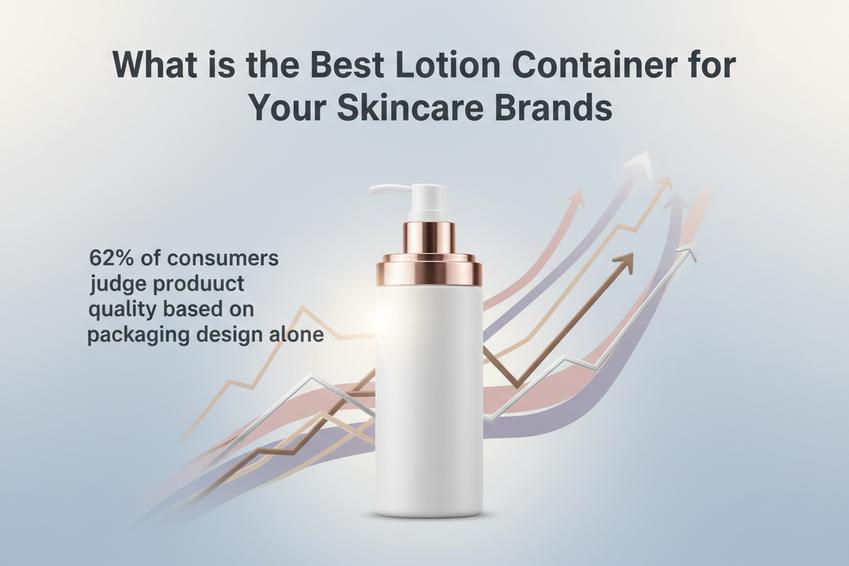
Essential Insights for Choosing the Right Lotion Container
- Packaging Impact: Quality perception begins with packaging; 62% of consumers judge lotions based on container design.
- Closure Types Matter: Select closures like pump dispensers for ease of use and to preserve product integrity.
- Material Compliance: Ensure FDA approved materials are used to guarantee safety and compliance.
- Sustainability Counts: Eco-friendly options like PCR containers can boost brand appeal among environmentally conscious consumers.
- Decoration Techniques: Utilize methods like UV coating and metallization to enhance visual appeal and reinforce brand identity.
Choosing the Perfect Lotion Container: Key Considerations
Finding the right lotion container isn’t just about looks—it’s about function, safety, and how your brand vibes with your audience.
The Importance of Closure Types for User Experience
Picking the wrong closure? That’s a fast track to customer complaints. Let’s keep it smooth:
- Pump dispensers are perfect for creamy products—clean, easy, and no mess.
- Flip-top caps work great for one-handed use in showers or on-the-go.
- Screw caps offer solid sealing but can feel outdated unless styled right.
- Disc top closures blend convenience with a sleek profile—ideal for daily skincare.
- If you’re after misting or even product spread, go with a fine spray cap.
Each type affects how users interact with your product. A leaky bottle? That’s a no-go. A satisfying click when closing? Instant trust boost. Nail the closure, and you nail the whole experience.
Custom Color Matching: Stand Out on the Shelf
Color does more than pop—it tells your story at a glance.
- Match your packaging to your brand’s core color palette using precise Pantone references.
- Choose bold or soft tones based on target demographics; vibrant hues attract younger buyers while earth tones appeal to eco-conscious consumers.
- Go beyond default shades—ask for custom colors that scream YOU.
Bright green says “fresh.” Deep blue whispers “trust.” Red? Total attention grabber.
Your visual branding, when synced across every lotion container, builds instant recognition in crowded aisles—and gives you that edge over competitors who play it safe.
Compliance Matters: Selecting FDA Approved Materials
Skincare lives on skin—so don’t mess around with questionable materials.
• Only use plastics certified as FDA approved, like food-grade PET or HDPE. • Go for containers labeled BPA-free, especially if you’re targeting health-conscious shoppers. • Eco brands should look into PCR plastic, which meets both sustainability and regulatory needs.
Topfeelpack ensures all its materials meet strict U.S. safety standards, so you’re not just compliant—you’re consumer-trusted from day one.
Safety isn’t optional in skincare—it’s expected. And if you skip it? Prepare for returns, bad reviews, or worse… lawsuits.
Decoration Techniques to Elevate Your Brand Image
The finish is where plain packaging becomes premium packaging.
- Use crisp screen printing for clean lines and direct-to-bottle messaging that won’t rub off easily. 2) Add shine with metallic details using precision-applied hot stamping. 3) Want something tactile? Embossed or debossed logos add texture—and memorability. 4) Frosted finishes create an upscale vibe without screaming luxury too loud. 5) Labels still matter too—but pair them smartly with permanent decoration methods so they don’t peel under moisture exposure.
Little touches make big impressions—especially when customers hold that lotion container up close in-store or post it online later as part of their shelfie game.
When done right, decoration turns packaging into storytelling—and makes people remember you long after they’ve tossed out the box.
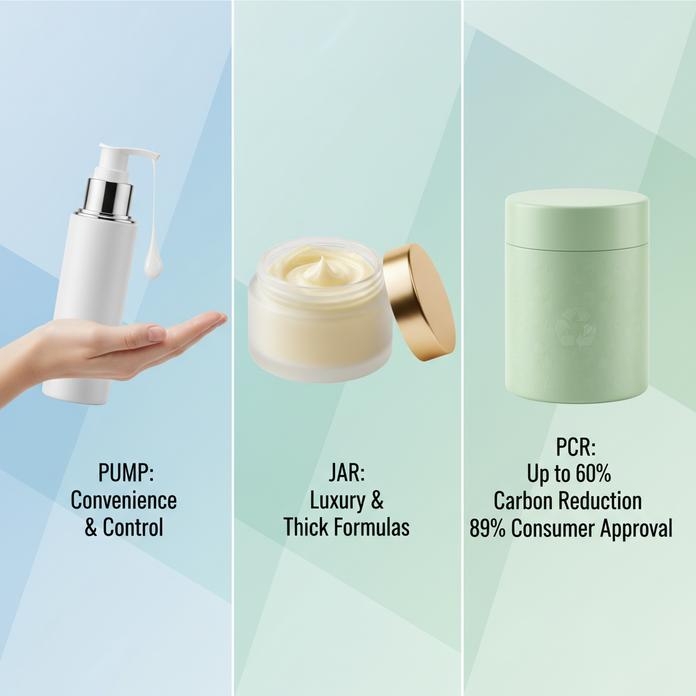
Top 3 Lotion Container Types for Skincare Brands
Choosing the right lotion container can shape how your skincare brand connects with real users—visually, practically, and sustainably.
Pump Dispensers: Convenience Meets Control
- Pump bottle systems are loved for being mess-free.
- Airless pump designs protect formulas from oxygen exposure.
- Lotion pump heads allow one-handed use—great for multitaskers.
You also get: • Cleaner application every time • Less product waste with each press • A tidy shelf presence that customers appreciate
Instead of scooping or squeezing, users just tap the top and go. That’s why so many brands opt for this type of dispenser, especially when working with serums or lighter lotions. It’s about delivering a consistent, controlled dosage, while keeping things hygienic and sleek.
Cream Jars: A Classic Choice for Rich Formulations
A good old-fashioned cream jar still holds its ground when it comes to thick textures like body butters or balms.
Wide-mouth access makes scooping effortless
The traditional look adds a touch of luxury to any vanity
Perfectly matches heavier creams that don’t flow easily through pumps
The tactile experience matters here. Users love dipping into a rich formula and feeling the texture firsthand—it gives them control over quantity and application area. For premium skincare lines, a well-designed cosmetic jar isn’t just packaging; it’s part of the ritual.
Eco-Conscious Options: PCR Material Containers
Today’s buyers care about more than ingredients—they’re looking at what their products come in too. That’s where PCR plastic steps in.
Grouped by benefit:
Sustainability:
- Made from post-consumer recycled materials
- Reduces demand for virgin plastic production
Branding Value:
- Signals eco-awareness to conscious consumers
- Aligns with green marketing strategies
Functionality:
- Durable enough for everyday use
- Compatible with refillable systems
Here’s some quick data comparing environmental impact:
| Material Type | Carbon Footprint Reduction (%) | Recyclability Score | Avg. Consumer Approval (%) |
|---|---|---|---|
| Virgin Plastic | 0 | Medium | 58 |
| Glass | ~20 | High | 74 |
| PCR Plastic | Up to 60 | High | 89 |
Brands that embrace eco-friendly options like these aren’t just helping the planet—they’re giving customers another reason to stay loyal.
Why Pump Bottles Dominate Daily Routines
Quick facts on why this format wins:
- They’re intuitive—press down, get lotion.
- They prevent contamination from fingers.
- They offer exact amounts per press.
- They reduce spills during travel.
- They’re ideal for thin liquids and gels.
In short? A modern bathroom staple that keeps things neat and efficient while enhancing the user experience with every pump.
When to Choose Cream Jars Over Pumps
Sometimes only a jar will do—and here’s why:
• You’ve got a thick formula like body butter or balm? Go jar—it won’t clog like pumps might. • Want your product to scream “luxury”? The feel of twisting open a solid glass jar says it all. • Need space for branding? Jars offer more surface area than narrow bottles do.
So if your product is rich, dense, or indulgent, skip the pump—embrace the scoop-and-smooth vibe instead.
Sustainable Packaging Isn’t Just Trendy—It’s Smart Business
Let’s break down how going green helps more than just Mother Earth:
➤ Brand loyalty goes up when consumers see sustainable choices on shelves.
➤ Costs drop long-term as recycled supply chains grow cheaper than raw materials.
➤ Laws are changing fast; future-proofing now avoids expensive redesigns later.
Using containers made from post-consumer recycled content means you’re not only reducing waste—you’re also adapting ahead of tightening regulations around single-use plastics in beauty packaging worldwide.
And yes, even refillable formats using durable PCR blends are becoming mainstream across skincare aisles—from mass-market brands all the way up to boutique labels like Topfeelpack once explored in their limited eco-series line-up years back.
Choosing Between Functionality & Feel: What Matters Most?
Short takes:
→ Pumps = clean hands + controlled use + slick design appeal → Jars = sensory satisfaction + richer textures + high-end vibes
Both types have their place depending on your formula type and user expectations—but don’t forget sustainability is creeping into both categories fast via hybrid models using partially recycled components or refill-ready formats built right into either container style.
As long as you’re factoring in ease-of-use alongside environmental impact, you’re already ahead of most competitors still stuck thinking inside outdated plastic molds when choosing their next-gen lontion cantainer solution set.
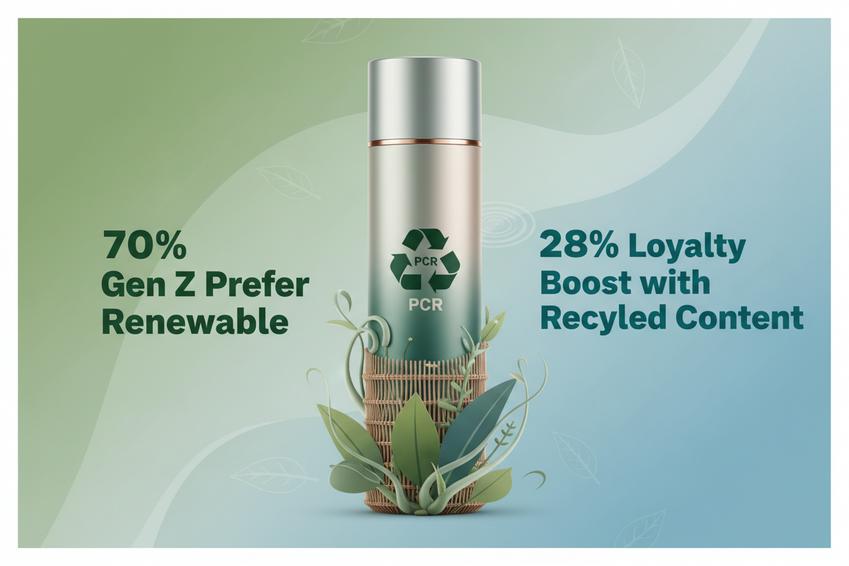
Sustainable Lotion Container Options for Eco-Friendly Brands
Choosing a sustainable lotion container isn’t just smart—it’s essential for future-focused beauty brands.
Exploring Eco-Friendly Materials: The Future of Cosmetic Packaging
• Bamboo, sugarcane, and cornstarch-based packaging are gaining traction as top eco-friendly materials. These naturally sourced options reduce fossil fuel dependency and break down more easily post-use.
• Consumers are increasingly drawn toward brands using plant-based plastics, especially when paired with minimalist design and refillable formats.
• Compostable jars made from mushroom mycelium or seaweed blends are showing up in indie skincare lines—talk about futuristic!
• One standout? Refillable glass containers with silicone sleeves—durable, sleek, and endlessly recyclable.
→ These shifts reflect broader cosmetic packaging trends, where sustainability meets style without sacrificing function.
→ The move from petroleum-derived plastic toward biodegradable packaging is no longer niche—it’s the new normal for lotion bottle innovation.
→ A recent McKinsey report notes that over 70% of Gen Z shoppers prefer beauty products packaged in renewable resources, even if it costs more—a clear signal that eco-consciousness is now a market driver.
→ Brands like Topfeelpack have begun experimenting with hybrid solutions that combine reusable aluminum shells with refill pods made from compostable material—blending durability with biodegradability seamlessly.
The Role of Recycled Plastics in Sustainable Packaging Solutions
Using post-consumer recycled (PCR) plastics reduces landfill waste and gives existing materials a second life—without compromising on performance or aesthetics.
Many modern lotion containers now use at least 50% rPET, making them lighter on emissions while still looking premium on shelves.
Integrating recycled content into packaging supports the growing momentum behind the global circular economy movement.
Here’s how different types of recycled plastics stack up:
| Material Type | Origin | Common Use | Recyclability Rate |
|---|---|---|---|
| rPET | Bottles & textiles | Lotion bottles, caps | High (~90%) |
| HDPE PCR | Milk jugs & detergent bottles | Tubes & pumps | Medium (~70%) |
| PP PCR | Food containers | Jar lids | Moderate (~60%) |
| LDPE PCR | Plastic bags | Flexible pouches | Low (~30%) |
Quick tip: Always label PCR content clearly—shoppers want transparency!
According to Euromonitor’s late-2024 sustainability tracker, “Brands incorporating visible percentages of recycled content reported a +28% increase in customer loyalty year-over-year.”
And don’t forget—the humble lotion tube can now be made entirely from mono-materials, simplifying recycling and boosting overall efficiency within supply chains focused on true waste reduction.
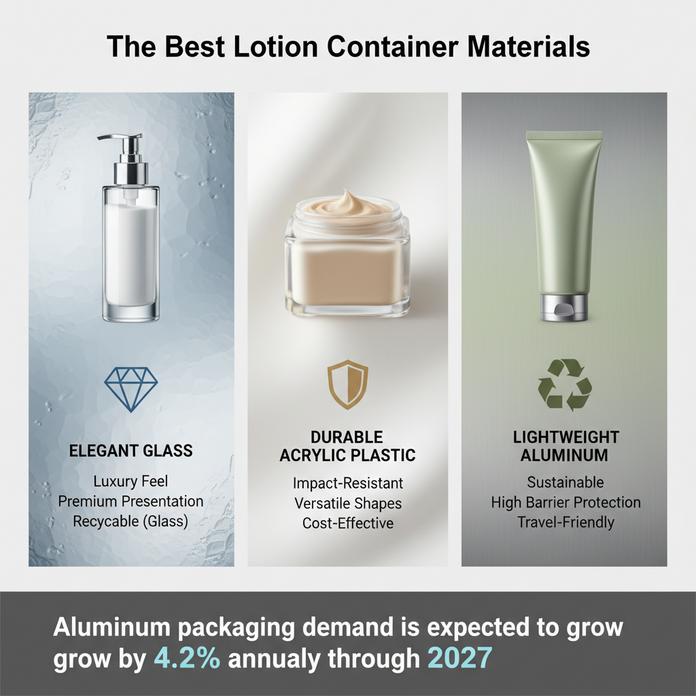
The Best Lotion Container Materials: Pros and Cons
Choosing the right lotion container material isn’t just about looks—it’s about function, sustainability, and how it feels in your hand.
Glass Bottles: Elegance vs. Weight Considerations
- Pros
- Glass screams luxury, making any product inside feel instantly high-end.
- It’s non-reactive, which means your lotion stays pure and untainted.
- Cons
- Let’s be honest—glass bottles are heavy. Drop one in the shower? Game over.
- Fragility aside, they’re also pricier to ship due to weight.
- Real Talk If you’re going for that spa-on-a-shelf vibe with your lontion cantainer, glass is the go-to. But if you’re clumsy or on-the-go? Maybe skip it.
Acrylic Plastic: Durability and Design Versatility
- Durable as heck: Unlike fragile materials, acrylic plastic won’t shatter when dropped. Perfect for travel-sized lotion containers that get tossed around in bags.
- Design-friendly: This stuff can be molded into wild shapes and colors—great for brands wanting to stand out.
- Cost-effective: You get a premium look without the premium price tag.
Acrylic might not have the same eco-vibe as glass or metal, but its reusability gives it some green points too.
Aluminum Containers: Lightweight and Recyclable
- Super light but tough as nails—no wonder hikers love aluminum water bottles.
- It doesn’t rust easily thanks to its natural oxide coating, keeping your lotion fresh longer.
- Fully recyclable with minimal energy input; even better, it’s often made from already-recycled material.
“Aluminum packaging demand is expected to grow by 4.2% annually through 2027,” reports Global Packaging Insight (Zion Market Research, 2024). That says a lot about where consumer preferences are headed when picking out their next favorite lontion cantainer.
So if you’re all about sleek vibes with an eco-conscience twist? Aluminum’s definitely worth considering—for both full-size bottles or compact travel tins.
Each of these materials brings something different to the table when crafting your ideal lotion container setup—from aesthetic appeal to real-world practicality.
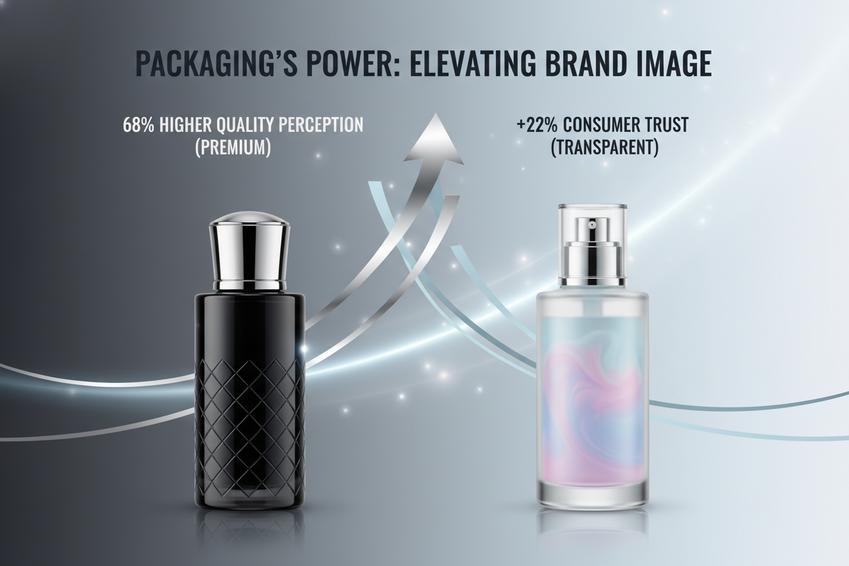
The Role of Lotion Containers in Brand Image
A killer lotion container design can say more about a brand than a flashy ad campaign. Here’s how packaging details shape perception.
How Decoration and Finishing Techniques Influence Consumer Perception
When it comes to decoration and finishing techniques, brands aren’t just adding flair—they’re crafting identity. A smooth matte or glossy UV finish isn’t just eye candy; it’s tactile branding that consumers remember.
- UV coating gives a slick, polished feel that screams premium without shouting it outright.
- Metallization adds a futuristic, high-end vibe—think chrome-like shine that grabs attention at arm’s length.
- Embossing and debossing provide a textured experience, enhancing the tactile experience and making the product feel more exclusive.
According to Mintel’s Beauty Packaging Report Q1 2024, over 68% of consumers associate sophisticated finishes with higher product quality—a direct link between packaging aesthetics and perceived value (The Future of Beauty Packaging, Mintel). That connection is vital when competing on shelves packed with similar items in identical price brackets.
In short, don’t underestimate the power of touch and shine when curating your brand’s outer shell—it can elevate your entire image through subtle cues alone.
Transparent Tints vs. Solid Colors: Visual Appeal in Marketing
Color isn’t just color—it’s communication. The choice between transparent tints or solid colors in your lotion container says something before anyone even reads the label.
Grouped below are common effects based on finish:
Transparent Tints
- Showcase product texture or color—great for gels or vibrant creams
- Suggest purity, freshness, or natural ingredients
- Allow customers to monitor usage visually