How to Start Cosmetic Business
From spiraling tabs to perfect bottles—how to start cosmetic business with packaging that woos customers and scales like a dream.
You’ve got this killer idea brewing—a skincare line smoother than grandma’s peach cobbler—and now you’re knee-deep Googling how to start cosmetic business. But boom, a hundred tabs open, and suddenly you’re spiraling between bottle sizes, FDA regs, and trying to color-match “dusty rose” across 5 suppliers. Breathe. You’re not lost—you just need the right compass.
Truth is, packaging isn’t just about looking pretty on a Sephora shelf. It’s your handshake with the customer—your first impression sealed in glass or PET plastic. Smart brands know: get it right early, scale without headaches later.
How to Start Cosmetic Business: A Step-by-Step Guide
Starting your own beauty brand? Here’s how to start cosmetic business the smart way—no fluff, just real strategies that work.
Identifying Your Niche: Skincare, Makeup, or Both?
Picking your niche market isn’t about guessing—it’s about knowing what people want and where you fit.
- Do a deep dive into market research tools like Google Trends or Statista. You’ll spot rising interest in clean skincare, minimalist makeup, or hybrid solutions that blend both.
- Nail down your target audience—Gen Z might crave bold pigments; Millennials could lean toward anti-aging serums.
- Study the competition through competitive analysis. What are they missing? That gap is your golden opportunity.
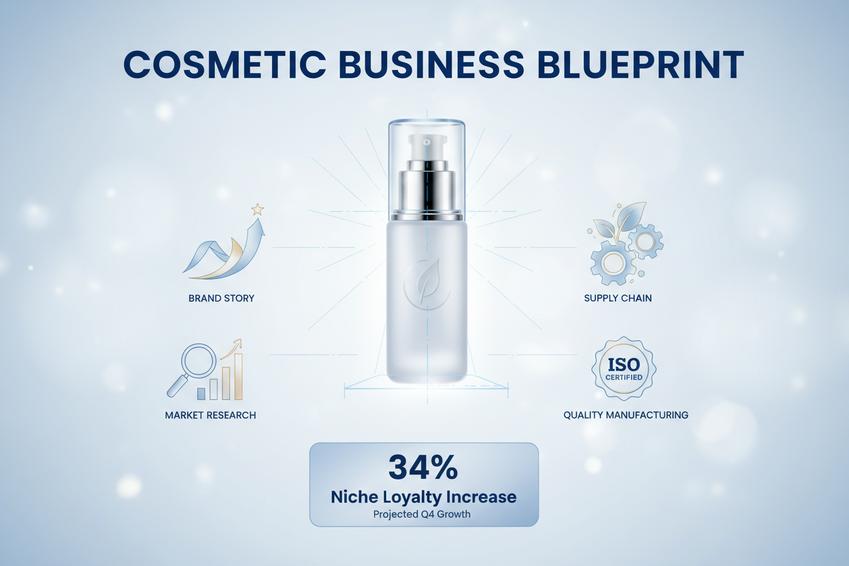
“According to Mintel’s Beauty & Personal Care Report 2024, niche brands focusing on skin barrier repair saw a 34% increase in consumer loyalty.” That stat alone should tell you why defining your product category matters.
Now ask yourself—are you solving a problem… or just selling lipstick?
Crafting Your Brand Story: From Concept to Creation
A killer brand isn’t built on logos alone—it’s powered by purpose and wrapped in personality. To shape an unforgettable identity:
• Define your core brand values—think sustainability, inclusivity, transparency. • Sketch out a clear brand concept, from tone of voice to visual aesthetics. • Build a compelling brand narrative that feels human and relatable; it should reflect who you are and why you’re here. • Lock down a consistent style across all touchpoints with strong brand messaging. • Highlight your edge—your unique selling proposition makes sure customers remember you even when scrolling fast.
People don’t buy products—they buy stories they want to be part of.
Building Your Supply Chain: Sourcing Quality Ingredients
The backbone of any beauty biz? Solid sourcing and reliable logistics. If you’re figuring out how to start cosmetic business with staying power:
- Partner with suppliers who prioritize high-grade raw materials and ethical practices.
- Look for those offering traceable origins for their ingredients.
- Confirm their commitment to sustainable harvesting methods.
- Ensure they meet safety standards through third-party testing.
- Strengthen your inventory game:
- Implement smart inventory management systems early on.
- Prepare for seasonal fluctuations in ingredient availability.
- Keep backup vendors lined up—supply chain hiccups happen fast.
- Build long-term supplier relationships rooted in trust—not just price cuts.
When it comes to ingredient sourcing, cutting corners cuts customer trust too.
Finding the Right Manufacturing Partner: Key Qualities to Consider
Choosing the wrong manufacturer can wreck everything before launch day hits. Here’s what really matters when picking a solid production partner:
• Look for certifications like GMP and ISO 9001—they scream quality control and regulatory compliance. • Ask about their experience with specific formulations tied to your product category—whether it’s water-based serums or pressed powders. • Evaluate production capacity and lead time so you’re not left dry when demand spikes unexpectedly. • Insist on transparency throughout every step of the production process, from formulation tweaks to final packaging runs.
Topfeelpack is one such manufacturer known for its consistency in delivering high-end cosmetic packaging that meets international quality benchmarks without sacrificing creativity.
Bottom line? A good manufacturing partner doesn’t just make products—they help build brands that last.
Packaging Solutions: How to Make Your Cosmetic Brand Stand Out
Picking the right packaging isn’t just about looks—it’s your brand’s handshake with the customer.
Lipstick Containers vs. Foundation Bottles: Choosing Your Signature Style
- Lipstick tubes are compact, perfect for daily touch-ups and quick branding wins.
- Foundation bottles, especially those with droppers or pumps, offer precision and a premium feel.
- Consider portability, product texture, and application method when selecting your cosmetic packaging.
- A sleek container design can make or break how consumers perceive your product line.
- Want that signature vibe? Match function with visual flair—your brand identity depends on it.
- For those planning how to start cosmetic business, don’t overlook this early-stage decision—it sets the tone for everything else.
Eye-Catching Materials: Acrylic Plastic vs. Glass Bottles
When choosing between acrylic plastic and glass bottles, think beyond aesthetics.
Glass screams luxury but is heavier and breakable—great for high-end serums or oils where elegance matters more than portability.
On the flip side, acrylic plastic offers durability with a glossy finish that mimics glass but is far more travel-friendly.
If you’re figuring out how to start cosmetic business lines that cater to active lifestyles or younger audiences, acrylic might be your best bet for balancing cost and cool factor.
Aesthetic Appeal: Incorporating Hot Stamping and Screen Printing
• Add shine with metallic foil via hot stamping—great for logos or text you want popping off the shelf.
• Use screen printing when you need detailed graphics that last through wear-and-tear or oily hands.
• Combine both techniques for layered effects that elevate your packaging’s perceived value.
• These aren’t just pretty touches—they’re part of your core visual branding strategy when crafting standout products during early-stage cosmetic business development.
• Don’t skimp here; strong visuals help differentiate when everyone’s fighting for attention at retail level.
Closure Types: Pump Dispensers vs. Flip-Top Caps
Pump it up? Go pump dispensers if:
- You’re bottling liquids like foundations or serums
- You want clean dispensing without spillage
- You’re aiming for a luxe user experience
Flip-top caps work better if:
- You’ve got creams, gels, or scrubs
- Portability matters more than polish
- Simplicity fits your brand vibe better
Choosing between these two closure types affects both usability and perception—and if you’re learning how to start cosmetic business ventures today, you’ll find customer convenience often trumps flashy design alone.
Custom Colors: The Impact of Pantone Matching on Branding
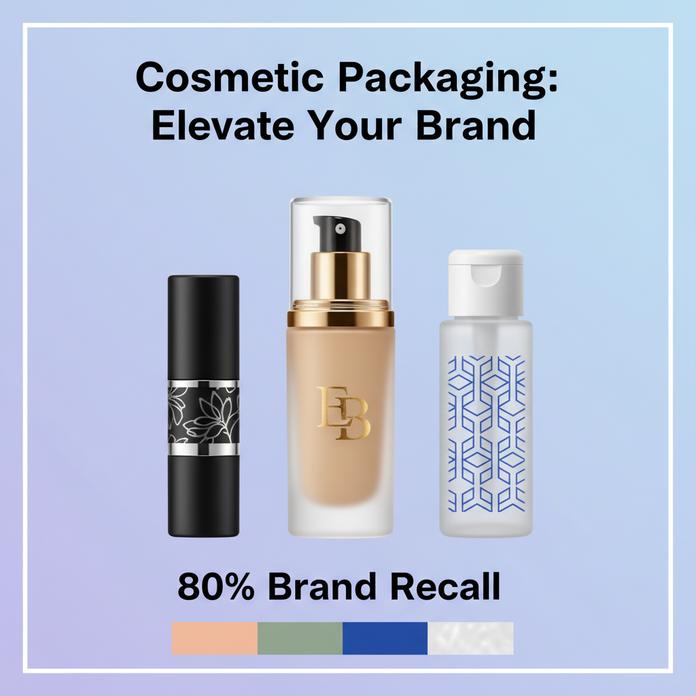
Color consistency isn’t fluff—it’s foundational branding science backed by data from NielsenIQ showing color recognition increases brand recall by over 80%.
Pantone Matching System ensures every bottle cap, label print, or tube shade aligns perfectly across batches—even if production spans continents.
Using unique yet consistent hues helps small brands punch above their weight class visually; it’s one of those subtle but powerful moves you’ll want as you map out how to start cosmetic business strategies long-term.
And yes, Topfeelpack gets this—they offer full PMS customization options so even indie labels can look like global players from day one.
Regulations And Compliance: Know How to Start Cosmetic Business Legally
Getting your cosmetic brand off the ground isn’t just about pretty packaging—it’s about doing it right, legally and ethically. Here’s what you need to know.
Understanding GMP Certifications: Why It Matters
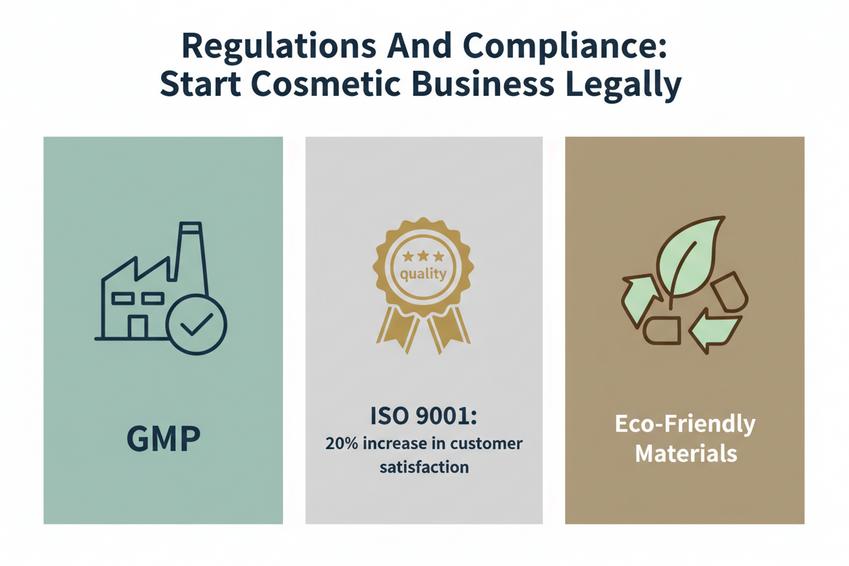
• GMP stands for Good Manufacturing Practices, and yeah, they’re a big deal. • These rules make sure your cosmetics are made under clean, safe conditions—no sketchy stuff. • Without GMP standards, your products could get flagged or pulled off shelves, especially if you’re exporting.
- A certified facility follows strict quality control routines every day.
- Documentation is everything—batch records, cleaning logs, training reports all count.
- Regular audits ensure ongoing regulatory compliance, not just a one-time pass.
→ Think of GMP as your hygiene checklist on steroids—but for factories instead of bathrooms.
Long story short? If you’re serious about learning how to start cosmetic business the right way, getting GMP-certified should be high on your list.
Navigating ISO 9001 Compliance for Quality Assurance
Want customers to trust your brand from day one? Meet ISO 9001—the gold standard in quality management system protocols.
- It requires clear documentation of processes from product design to delivery.
- You’ll need internal audits and management reviews—yes, paperwork matters here.
- The goal? Continuous improvement through structured feedback loops and performance metrics.
“Brands that implement ISO 9001 see up to a 20% increase in customer satisfaction within the first year,” says a recent report by Global Quality Insights (2024).
ISO certification signals that you’re not winging it—you’ve got systems that work. That’s huge when figuring out how to start cosmetic business with lasting impact.
Eco-Friendly Materials: Sustainability Regulations You Should Know
Green beauty isn’t just trendy—it’s legally expected in many regions now.
Here’s how to stay ahead:
– Use only eco-friendly ingredients approved by local environmental boards. – Choose suppliers who follow ethical sourcing practices for raw materials. – Your packaging? Better be recyclable packaging or biodegradable—or both if you really want bonus points.
Grouped must-haves:
- Sustainable sourcing
- Low-impact manufacturing
- Minimalist labeling (less ink = less waste)
- Transparent supply chain disclosures
Some countries now fine brands that don’t reduce their carbon footprint, especially during production and transport phases.
If you’re asking yourself how to start cosmetic business without tripping over green laws—start with sustainable compliance first. And hey, Topfeelpack offers customizable eco-packaging options that’ll help you tick those boxes fast.
FAQs about How to Start Cosmetic Business
How to start cosmetic business with the right packaging strategy?
- Begin by picking a niche that stirs excitement—lipstick containers with sleek curves, powder compacts that click shut satisfyingly, or mascara tubes shaped for comfort in hand.
- Choose materials reflecting your brand’s personality—acrylic plastic for modern durability, glass bottles for quiet sophistication.
- Give soul to each piece through hot stamping foil accents or screen printing sharp logos.
- Partner only with GMP certified and ISO 9001 compliant makers so every item exudes confidence straight from production line to shelf.
What closure types are most practical for varied product lines?
Pump dispensers suit silky foundation bottles; flip-top caps give fast access to gels; spray nozzles bring life to fine mists; screw caps secure creams in travel-sized jars; droppers create ritual-like precision when placing serum upon skin. Each acts like a character fulfilling its own role in the beauty story you’re telling.
Why is Pantone matching vital at scale?
Because color whispers unity—Pantone matching ensures every eyeliner pen barrel, lipstick tube casing, and powder compact shell shares an exact hue under any light. Metallic finishes gleam consistently across volumes from 5ml containers up to 100ml pumps, avoiding awkward mismatched tones that jar the customer’s eye and weaken trust in your brand identity chain.
Which supplier traits should be non‑negotiable before committing?
Sustainable practices signal respect toward buyers who care deeply about eco-friendly materials like PET containers and aluminum closures reusable over time. Expect custom mold design services so special bottle shapes become reality instead of compromise, plus global shipping experience ensuring those designs reach diverse markets intact—all wrapped within GMP certified discipline and ISO 9001 quality promise.
References
[Google Trends - https://trends.google.com]
[Statista - https://www.statista.com]
[Mintel Beauty & Personal Care - https://www.mintel.com]
[NielsenIQ Consumer Insights - https://nielseniq.com]
[FDA Cosmetic Good Manufacturing Practices - https://www.fda.gov]
[ISO 9001 Quality Management - https://www.iso.org]
[Pantone Color Systems - https://www.pantone.com]