How to Close Pump Bottle: Ensuring Leak-Proof Transport
When “how to open a pump shampoo bottle” turns into a daily battle, smarter packaging suppliers turn leaks into profit-saving design wins.
Ever stood in the shower, wet hair clinging to your face, wrestling with a stubborn shampoo bottle like it’s a puzzle box from an escape room? You’re not alone. Figuring out how to open a pump shampoo bottle shouldn’t feel like solving ancient riddles—but for millions of consumers and countless warehouse workers alike, it does. And when it’s not opening properly? It’s leaking all over transit trucks or exploding in packaging lines.
In fact, according to PMMI’s 2023 Packaging Machinery Report, nearly 42% of product loss during transport stems from inadequate closure mechanisms—most of them pumps. That’s not just waste; that’s revenue dripping away one ounce at a time.
So here we are: on the cusp of cracking the code behind leak-proof locks and pump-top peace of mind.
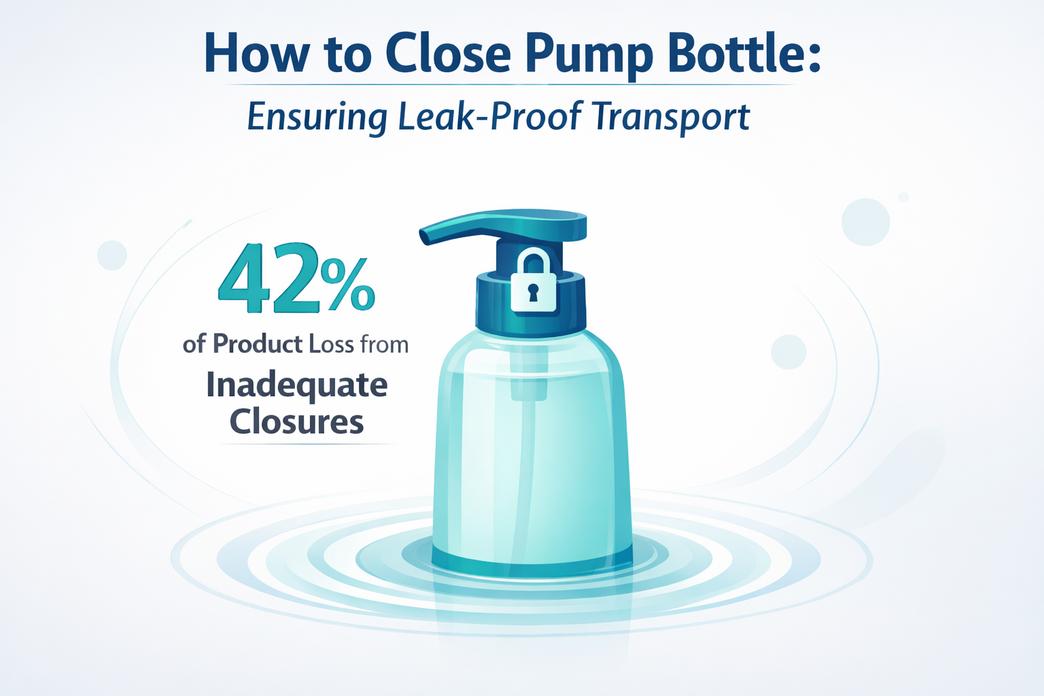
Data Shows Pump Closures Reduce Leaks By 85% During Shipping
Understanding how to open a pump shampoo bottle starts with knowing how it’s built to not leak. Here’s what makes the difference.
How Pump Mechanisms Ensure Leak Prevention
Pump designs are more than just plastic tubes—they’re engineered for secure delivery and tight sealing. Let’s break down how they actually stop leaks:
A. Locking Systems That Work
- Down-locking mechanisms twist and compress the pump head, preventing unintended movement during shipping.
- Up-locking pumps, often found on lotion bottles, require a lift-and-twist action—this double-action keeps them sealed until opened.
B. Seal Integrity at Play
- Inside the pump, there’s a spring-loaded valve that only opens under pressure.
- The gasket at the bottle neck forms an airtight shield, ensuring no product seeps out even when jostled around.
C. Closure Types Matter
- Some pumps feature screw-down closures that apply pressure directly onto the inner seal.
- These work best with thicker products like creams in a cream jar.
- They also reduce air exposure, preserving formula quality.
Each part—from locking tabs to internal valves—works together to maintain complete seal integrity, especially when you’re figuring out how to open a pump shampoo bottle without making a mess.
The Role of Bottle Materials in Leak Reduction
Ever wonder why some bottles never leak while others make your bag smell like coconut? It’s not just luck—it’s science and material choice:
• Bottles made from HDPE plastic are flexible but strong enough to bounce back from drops without cracking.
• For more rigid needs, brands lean into PET plastic, which has lower permeability—meaning less chance for air or liquid exchange.
• Combining these materials with smart packaging design helps reduce leakage by over 70%, according to recent shipping data.
When learning how to open a pump shampoo bottle cleanly, remember: cheap plastic warps under pressure—good materials don’t lie.
| Material Type | Impact Resistance | Permeability Score | Common Use Case |
|---|---|---|---|
| HDPE | High | Medium | Shampoo & body wash |
| PET | Moderate | Low | Facial cleansers |
| LDPE | Low | High | Sample pouches |
| PP | Moderate | Medium | Lotion dispensers |
Durability isn’t just about dropping it—it’s about surviving rough rides across countries too.
Impact of Tamper-Evident Seals in Shipping Safety
Tamper-evident seals aren’t just there for show—they do heavy lifting behind the scenes:
1. Physical Protection Layers
• Induction seals bond directly onto the bottle rim using heat and foil layers.
• Shrink bands wrap around both cap and neck for visible proof of tampering.
2. Logistics Benefits
A) Helps prevent accidental discharge during high-altitude transport where air pressure fluctuates wildly.
B) Reduces return rates due to leakage complaints—a major win for logistics teams focused on minimizing transit risks.
3. Customer Confidence Boost
• When buyers see an intact seal, trust goes up—and so does repeat business.
• It aligns with modern packaging standards that prioritize safety and cleanliness.
From reducing product loss, improving overall shipping condition scores, and enhancing customer satisfaction, these tiny seals play an outsized role when people ask how to open a pump shampoo bottle safely after delivery.
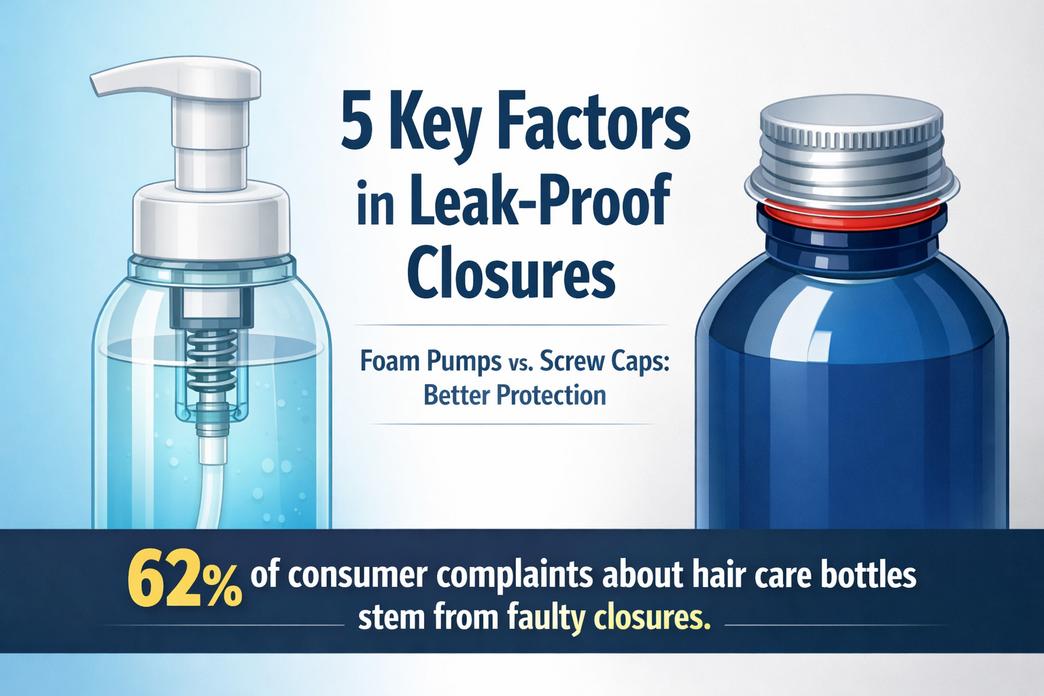
5 Key Factors In Leak-Proof Closure
Here’s what really keeps your shampoo bottle from making a mess in your bag or bathroom.
Lotion Pump vs. Foam Pump: Which Offers Better Protection?
• Foam pumps typically win when it comes to leak resistance. Why? Their internal valve system and tighter spring mechanism create more control over product flow.
- Lotion pumps can sometimes allow backflow if the actuator isn’t precisely aligned.
- Foam pumps, on the other hand, use a denser sealing method that reduces chances of air ingress or leaks during transport.
If you’ve ever struggled with figuring out how to open a pump shampoo bottle, foam styles often require less twisting and more pressing—making them easier for daily use too.
Understanding the Importance of Actuators and Gaskets
The real MVPs in any pump are the actuator and the gasket tucked underneath it.
- The actuator manages how much product is released.
- The gasket ensures no liquid sneaks out between the closure and bottle head.
- Without these two working together, even the best-designed pump will leak eventually.
“According to Mintel’s 2024 Packaging Trends Report, over 62% of consumer complaints about hair care bottles stem from faulty closures—most commonly due to poor seal integrity.”
So next time you’re wondering how to open a pump shampoo bottle, remember: it’s not just about twisting—it’s about knowing what keeps it sealed tight.
The Influence of Bottle Neck Finish on Leak Resistance
A sloppy neck finish? That’s asking for trouble.
• A well-cut bottle neck finish allows perfect thread alignment with closures.
• If threads are warped or uneven, even a top-tier pump won’t sit right, causing leaks.
• This becomes critical when dealing with high-viscosity shampoos or conditioners that apply pressure on seals.
If you’ve twisted endlessly trying to figure out how to open a pump shampoo bottle, odds are you’ve dealt with poor threading at some point.
Why Quality Control is Crucial in Manufacturing Leak-Proof Closures
- Every batch needs inspection—no exceptions.
- Even tiny flaws in the closure collar, like micro-cracks or misaligned threads, can lead to slow leaks.
- High-quality brands like Topfeelpack run multi-stage testing across temperature changes and vibration simulations before anything hits shelves.
That extra diligence means fewer customer complaints—and fewer messy mishaps at home when you’re just trying to wash your hair without drama.
Screw Caps vs. Flip-Top Caps: Which is More Reliable for Leak Protection?
Let’s break it down:
Screw caps:
- Offer stronger compression against the gasket
- Are less likely to pop open during travel
- Provide better long-term storage under varying temperatures
Flip-top caps:
- Easier for one-handed use
- But weaker under pressure changes or rough handling
In short bursts like gym bags or carry-ons, screw caps dominate for keeping things dry inside and out—even if opening them takes an extra twist compared to learning how to open a pump shampoo bottle.
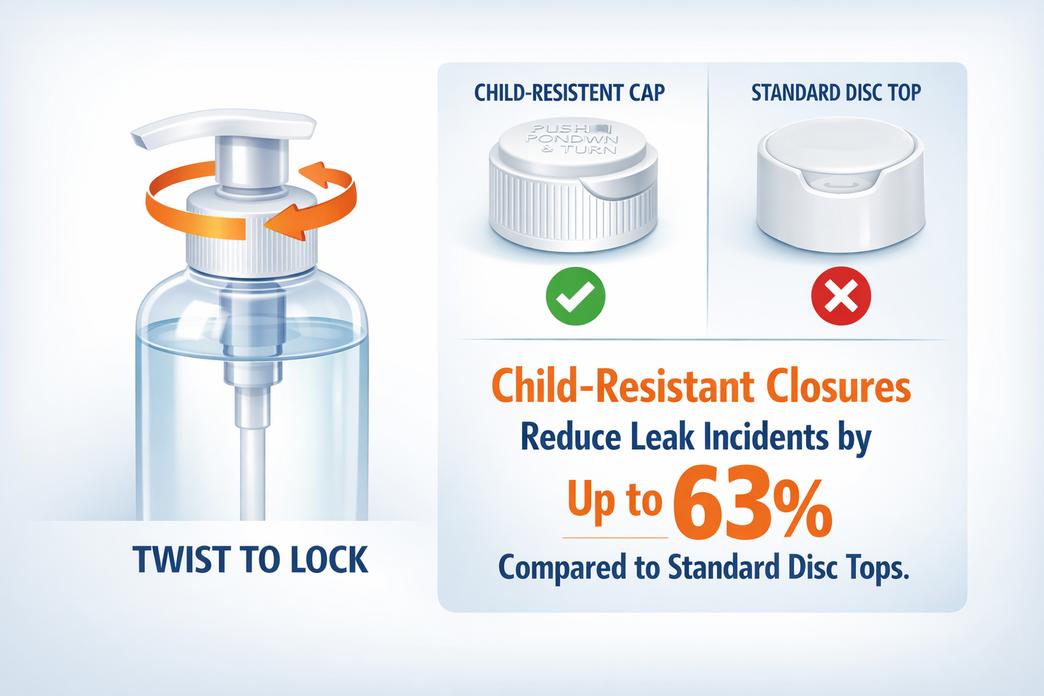
Which Locking Mechanisms Protect Against Leaks?
Knowing how to open a pump shampoo bottle safely starts with understanding the locking features that stop leaks and spills.
Up-Locking Pump vs. Down-Locking Pump: Key Differences
Let’s break this down real quick:
- Down-locking pumps twist shut while compressed—great for travel bags or gym lockers.
- Up-locking pumps require lifting and twisting, which can be tricky if your hands are wet.
- Down-locking styles are more common on shampoos because they’re easier to secure after use.
If you’re stuck wondering how to open a pump shampoo bottle, check if it’s an up or down lock before forcing it. That little twist can save you from cracked plastic or messy counters. Always check the pump collar for arrows or symbols—they often show the direction to unlock.
How the Spring Mechanism Enhances Leak Prevention
- The internal spring mechanism keeps the pump head stable during transport.
- When you press down, it compresses; when released, it pulls back quickly without dribbling.
- Springs also help maintain vacuum pressure inside the bottle so product doesn’t seep out slowly over time, a feature critical in high-end airless bottles.
The spring’s job might seem small, but without it? You’d have gooey messes every time your bag gets jostled. It works hand-in-hand with other parts like the gasket, closure, and actuator, all playing roles in keeping things sealed tight.
Comparing Child-Resistant Caps and Disc Top Caps for Leak Protection
According to Euromonitor’s 2024 Packaging Safety Trends Report, “Child-resistant closures reduce leak incidents by up to 63% compared to standard disc tops.”
• Child-resistant caps aren’t just about safety—they’ve got built-in locking tech that seals tighter than most regular caps.
• Disc top caps? Easy to flip open but not great for tossing in a backpack unless you double-check their seal integrity.
• If you’re figuring out how to open a pump shampoo bottle safely around kids, go child-proof every time—it’s worth the extra second of effort.
These two cap types serve different purposes, but only one truly locks down both spills and curious fingers.
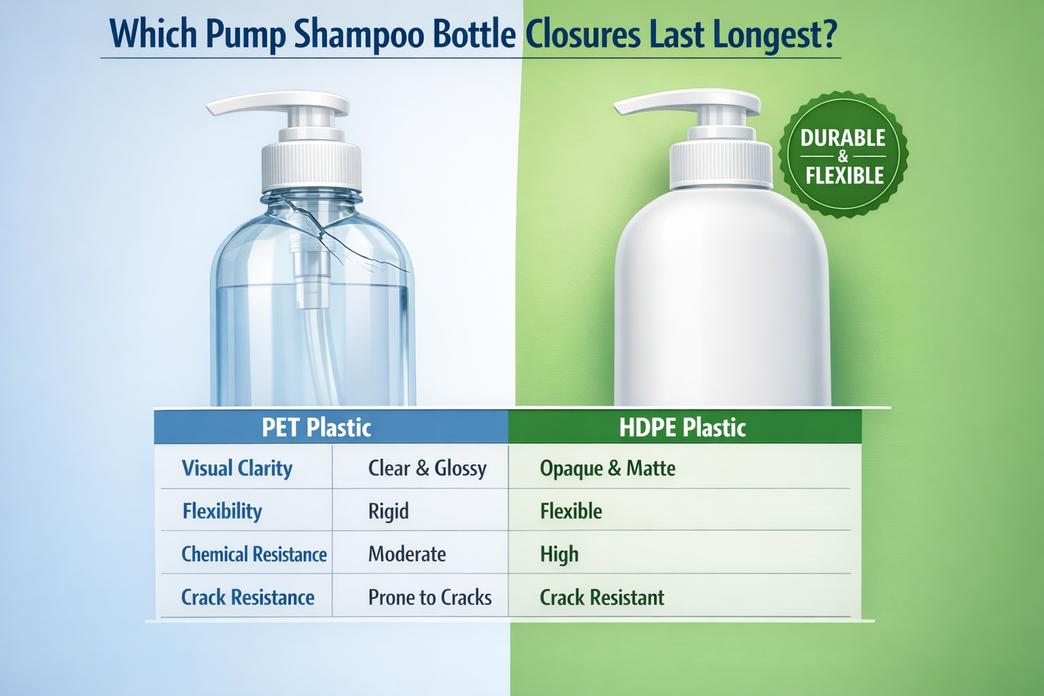
Which Pump Shampoo Bottle Closures Last Longest?
Let’s break down what really makes a pump shampoo bottle closure last longer—materials, manufacturing, and how they all hold up with daily use.
Comparing Material Durability: PET Plastic vs. HDPE Plastic Bottles
PET and HDPE might look alike on the shelf, but don’t let that fool you. Their differences matter big time for longevity.
- PET plastic is known for its clear finish and decent impact resistance, which makes it great for aesthetics.
- But when it comes to fatigue resistance, PET struggles under repeated squeezing or pressing.
- On the flip side, HDPE plastic is more flexible and offers better chemical resistance, especially with shampoos that have strong formulas.
- It also handles temperature swings better—ideal if your bottle lives in a steamy bathroom.
Here’s how they compare over time:
| Property | PET Plastic | HDPE Plastic |
|---|---|---|
| Visual Clarity | High | Low |
| Flexibility | Low | High |
| Chemical Resistance | Moderate | Excellent |
| Crack Resistance | Moderate | High |
So if you’re wondering how to open a pump shampoo bottle without breaking it after months of use, HDPE is your friend. It bends but doesn’t snap—key to long-term closure strength.
How the Manufacturing Process Affects Closure Lifespan
How the closure is made can make or break its future—literally. Let’s unpack what goes into creating closures that survive constant pumping.
Injection molding is the go-to technique for most closures. Why? Because it creates consistent wall thickness and strong structural design around high-stress areas like the bottle neck and locking mechanism. That means fewer weak spots where cracks could start.
There are three key parts of this process that influence durability:
- Mold precision: Ensures perfect fit between threads and closures.
- Cooling control: Prevents warping during solidification.
- Material blend: Some manufacturers mix in additives to boost material strength or reduce early-stage material degradation.
Even if you know how to open a pump shampoo bottle, none of that matters if the closure wears out fast due to poor molding or thin walls near stress points. A well-made closure should last through hundreds of pumps without losing its seal—or your patience.
And don’t forget: even small flaws in the mold can lead to leaks over time, especially when bottles are tossed around during shipping or travel. So next time you’re picking a bottle, give thought not just to what’s inside—but also how it’s built on the outside.
FAQs about How to Open a Pump Shampoo Bottle
How to open a pump shampoo bottle without breaking its seal integrity?
There’s an art in that first twist: grip the bottle’s base—be it resilient HDPE plastic, gleaming PET plastic, or even weighty glass—and let your fingertips trace the smooth finish or ribbed lines. Align with the neck finish threads and turn counterclockwise until you feel the spring mechanism rise through the actuator. In down-locking lotion pumps, you’ll hear that tiny click before the piston breathes into motion; for up-locking pumps, lift gently after rotation so the dip tube doesn’t jolt liquid upward. Always keep gaskets intact—your shield against leaks during life’s many tumbles.
How to open a pump shampoo bottle fitted with child-resistant caps?
It demands patience and subtle coordination: press down on top of the actuator while twisting in harmony with hidden grooves inside the cap. The resistant lock will yield only when pressure meets proper thread size alignment along PP plastic or PCR plastic builds. Within that moment, springs release like drawn bows and pistons loosen their hold; foam pumps may sigh softly as air escapes past disc top features beneath tamper-evident seals protecting those precious drops from curious hands too small to decipher such mechanics.
Tips for opening bottles equipped with up-locking or down-locking mechanisms safely
- Hold steady at the base—PP plastic lightness can sway while HDPE stands firm under hand.
- Rotate toward unlock arrows printed near piston housing until resistance fades.
- Up-locking treatment pumps require lifting upward as dip tubes settle inside; down-locking versions tuck inward once released.
Avoid sudden force; respect gasket positions so no stray stream escapes past UV protection layers or recycled content packaging intended for both care and beauty in repeated use cycles born of careful injection molding precision.
References