Tired of Leaks? Discover the Perfect Travel Hand Sanitizer Container!
When a flimsy hand sanitizer container leaks, it costs trust & cash—our rugged cosmetic packaging keeps products safe from bag to cargo hold.
You toss a travel-size hand sanitizer container into your bag, and boom—by the time you reach security, it’s leaked like a busted juice box. Sound familiar? You’re not alone. Packaging returns related to leakage cost U.S. beauty brands over $1.2 billion last year alone (Statista, 2024). When your packaging fails, so does your customer’s trust—and that hits where it hurts most: reputation and revenue.
Some call it a bottle; we see it as armor for your product. The right design doesn’t just sit on the shelf—it survives cargo holds, glove compartments, and diaper bags without flinching.
Essential Points for Choosing the Right Hand Sanitizer Container
- Material Choice: Opt for materials like high-density polyethylene or PET resin for durability and recyclability.
- Closure Type: Choose secure closures such as screw-on caps to prevent leakage during travel.
- Container Shape: Select ergonomic oval designs for comfort or cylindrical shapes for efficient packing.
- Size Consideration: Consider 50-milliliter options for portability and larger 250-milliliter or 500-milliliter containers for home use.
- Sustainability Factors: Look for biodegradable options or containers made from post-consumer recycled materials to support eco-friendly practices.
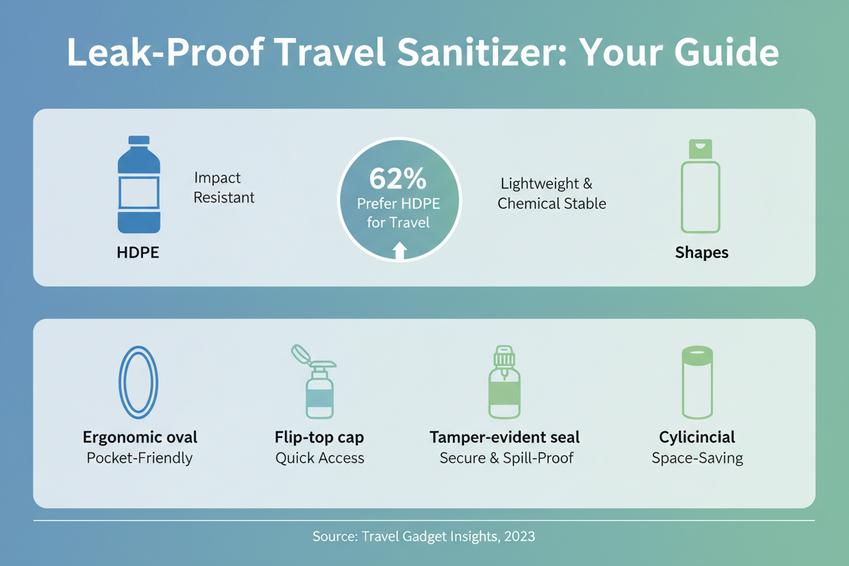
Leak-Proof Designs: Finding the Ideal Travel Hand Sanitizer Container
The right hand sanitizer container can save your trip from leaks, messes, and frustration. Let’s break down what makes a travel bottle truly leak-proof.
High-density polyethylene versus polypropylene plastic: Which is better for travel?
Choosing between high-density polyethylene (HDPE) and polypropylene (PP) isn’t just a nerdy plastics debate—it’s about peace of mind when you’re 30,000 feet up or crammed into a train seat.
- HDPE is tougher and more impact resistant, making it great for rough handling.
- PP weighs less and resists many chemicals, perfect for alcohol-based sanitizers.
- HDPE tolerates colder temps better, while PP handles heat like a champ.
- Both are generally BPA-free plastic, but check labeling just to be sure.
According to Global Packaging Trends Report 2024 by Smithers Pira, over 62% of consumers prefer HDPE bottles for travel toiletries due to their resilience during transit.
In short? If your bag takes hits, go HDPE. If you’re all about light packing and chemical stability, PP wins the day.
Understanding closures: Flip-top dispensing cap vs. tamper-evident seal closure
Closures are more than just lids—they’re your first defense against spillage and wasted product.
- Flip-top caps offer speed—flip, squeeze, sanitize. But if not designed well, they pop open mid-flight.
- A tamper-evident seal closure gives peace of mind that no one’s messed with your stuff—but it adds an extra step every time you use it.
- Some savvy travelers use both: seal it tight for transport with tamper-evidence, then switch to flip-top once settled at the hotel.
✱ Pro tip: Look for closures tested under pressure change simulations—especially if you’re flying with gel-based sanitizers that expand at altitude.
A leaky cap can ruin clothes or tech gear—so don’t skimp here.
Choosing the right shape: Ergonomic oval design vs. cylindrical bottle shape
Form factor matters more than you’d think when picking a trusty hand sanitizer container for life on the go.
• The ergonomic oval design fits snugly in palm or pocket—great for quick dabs while juggling coffee or kids. It also reduces roll-off risk from airplane tray tables or car dashboards. • The classic cylindrical bottle shape, though less hand-friendly, stacks neatly in toiletry bags or side pouches without wasting space.
Some travelers even carry both styles—oval for daily carry-on access and cylindrical backups stashed deep in luggage compartments.
And hey—if you’re hiking or biking? Oval designs with a built-in carabiner clip make grabbing your sanitizer mid-motion way easier than fumbling with round bottles buried in backpacks.
Whether it’s grip comfort or packing precision you’re after, shape truly shapes your experience on the road.
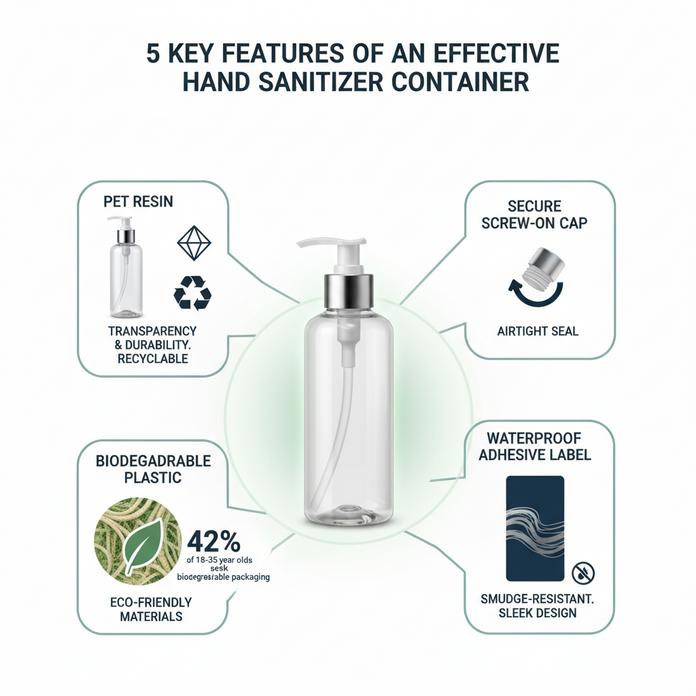
5 Key Features of an Effective Hand Sanitizer Container
Choosing the right hand sanitizer container isn’t just about looks—it’s about function, safety, and sustainability. Here’s what sets the best ones apart.
Material matters: The benefits of PET resin material
- Durability: PET resin material is tough enough to handle drops and squeezes without cracking.
- Transparency: Its crystal-clear finish lets users see how much sanitizer is left—super handy when you’re on the go.
- Recyclability: It’s a plastic with a conscience. Most curbside programs accept PET, making it a more eco-aware choice.
- Lightweight build: Despite its strength, PET keeps your bag light, which is perfect for daily carry.
- Chemical resistance: It holds up well against high-alcohol formulas without breaking down or leaching chemicals.
A good hand sanitizer bottle made from PET checks off both style and substance. It’s why Topfeelpack often recommends it for brands looking to balance performance with presentation.
Secure closures: Why a screw-on secured closure is essential
Leaky bottles? No thanks. A solid closure system makes all the difference:
- A tight screw-on closure ensures no accidental spills in your backpack or purse.
- Many designs now include a secondary seal or inner plug—a double win for avoiding messes.
- Caps with built-in locks add peace of mind during travel or shipping.
- Some containers use a precision-cut thread design that creates an almost airtight seal, keeping alcohol-based gel from evaporating too quickly.
- Add-ons like flip-top lids can be convenient but only when paired with a strong base thread.
The best hand sanitizer containers don’t just close—they lock down like champs.
Effective labeling: Waterproof adhesive label vs. screen-printed container design
When it comes to branding your hand cleaning product, labels aren’t just decoration—they’re communication tools:
Waterproof adhesive labels • Resist smudging and peeling even after repeated handling • Ideal for small batch customization • Easy to update with new ingredients or compliance info
Screen-printed designs • Offer sleek aesthetics that won’t wear off over time • Great for high-volume production runs • Maintain brand consistency across sizes and formats
Both styles have their place depending on how often you change formulations or packaging sizes—but either way, durability matters when dealing with liquids.
Eco-friendly options: Benefits of biodegradable plastic alternatives
More than ever, consumers care about what happens after they toss that empty bottle—and brands are listening. Biodegradable plastic alternatives offer one answer by breaking down faster under industrial composting conditions than traditional resins do.
According to Future Market Insights’ Q1 Sustainability Packaging Report (2024), over 42% of consumers aged 18–35 actively seek out products in biodegradable packaging—even if it costs more. That shift has sparked innovation in plant-based polymers like PLA and PHA that mimic traditional plastics while being gentler on the planet.
For businesses aiming to align their values with their packaging choices, switching from conventional materials to biodegradable options isn’t just smart—it’s expected by today’s eco-savvy shopper.
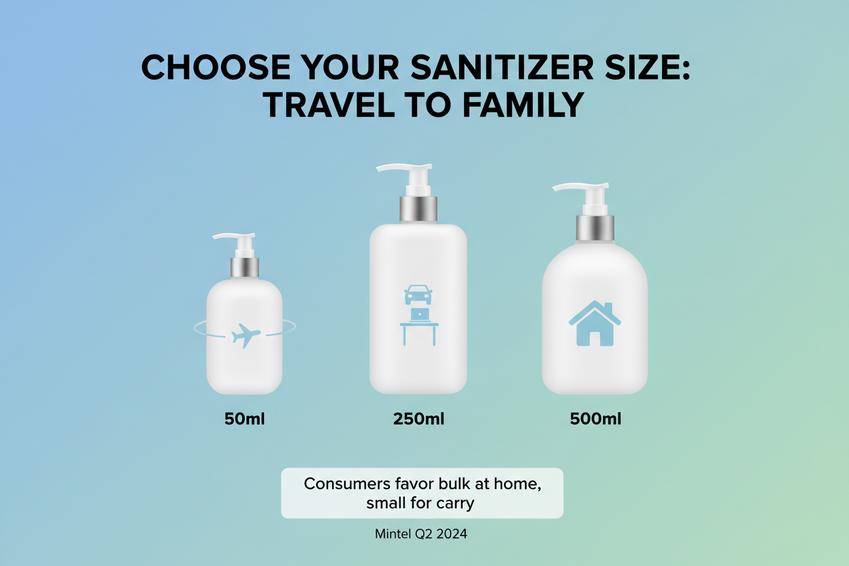
How to Choose the Right Size for Your Sanitizer Container
Picking the right size for a hand sanitizer container isn’t just about convenience—it’s about matching your lifestyle and usage habits.
50-milliliter travel size: Perfect for on-the-go sanitization
• Fits easily into purses, gym bags, or even jean pockets without bulking things up. • Ideal for quick errands, public transit rides, or lunch breaks at work. • TSA-friendly and well within the TSA 3-1-1 rule—no headaches at the airport.
You’ll barely notice it’s there until you need it most. The compact design makes this size a no-brainer when you’re always bouncing between places.
Topfeelpack offers customizable mini bottles with leak-proof designs, like flip-top or screw-top closures—perfect for preventing messes while staying mobile.
Comparing capacities: 250-milliliter vs. 500-milliliter family size options
A quick comparison can help you decide which bottle fits your daily rhythm better:
| Capacity | Best For | Portability | Refill Frequency |
|---|---|---|---|
| 250 ml | Office desks & cars | Medium | Weekly |
| 500 ml | Home entrances & kitchens | Low | Monthly |
The 250-milliliter option strikes a balance between mobility and volume—great if you use sanitizer often but still want something that travels well in backpacks or diaper bags.
On the flip side, the 500-milliliter bottle is your go-to if you’re stocking up for a family or shared space. It’s perfect for placing near doorways or kitchen counters where hands get cleaned frequently throughout the day.
As highlighted by Mintel’s Q2 2024 Hygiene Consumer Trends Report, “Consumers are increasingly favoring bulk formats at home while maintaining smaller sizes for personal carry.” That dual-size approach is smart—and becoming more common.
No matter which way you lean, make sure your choice matches your routine and storage space. And if you’re after reliable quality with functional design? Topfeelpack’s range of PET plastic and BPA-free refillable bottles has you covered from pocket to pantry.
Remember—choosing the right sanitizer container isn’t just practical; it keeps hygiene part of your everyday flow without getting in the way.
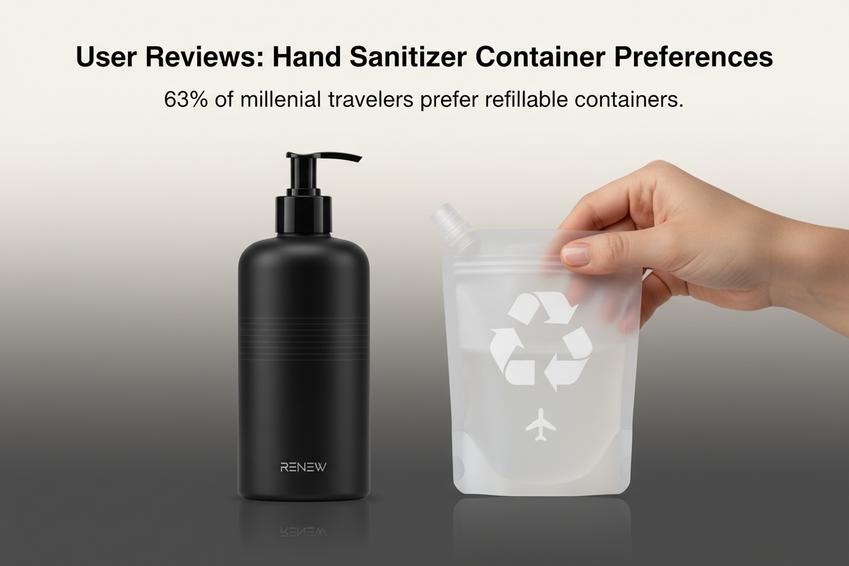
User Reviews: What Customers Say About Sanitizer Containers
Here’s what real users are saying about their favorite hand sanitizer container picks.
Customers love solid black bottles: A popular color choice
- Sleek and Stylish: Users say the matte finish gives their bag or counter a “cleaner vibe.”
- UV Protection Bonus: The solid black shell blocks sunlight, keeping the sanitizer effective longer.
- Unisex Appeal: Many reviewers mention it’s “neutral enough” for everyone—no fuss, just function.
- No Stains or Smudges: Unlike clear bottles, these don’t show grime or leaks easily.
- Professional Look: Travelers and office workers alike say they prefer the minimalist aesthetic.
Across hundreds of reviews, people consistently highlight how this color adds both form and function to their portable hygiene routine.
Post-consumer recycled material: Praised for sustainability
Grouped praise from eco-conscious buyers shows strong support for recycled packaging:
- Environmental Impact
- Users appreciate brands using post-consumer plastics in each hand sanitizer container, reducing landfill waste.
- Some even said they switched brands just because of this feature.
- Ethical Choices
- Several comments mention feeling better about daily use knowing it supports circular economies.
- One review reads, “Finally something I can refill without guilt.”
- Still Durable
- Despite being made from reused materials, customers report no compromise in strength or leak resistance.
This blend of conscience and convenience is winning over more than just green shoppers—it’s becoming an expectation.
Perfect for travel: Why users recommend refillable container systems
According to a late Q4 report from Mintel Research in early 2024, over 63% of millennial travelers now prefer refillable container systems due to cost savings and environmental concerns.
Short takes from user feedback:
• “TSA-approved and fits right in my carry-on.” • “I’ve dropped it twice—still no cracks.” • “Refilling at home saves me money every trip.”
This kind of feedback points to one thing—these mini containers aren’t just practical; they’re now part of every smart traveler’s checklist when packing essentials like a dependable hand sanitizer bottle.
Refillable systems offer convenience and reduce waste, making them popular among environmentally-conscious travelers
Here’s how users typically describe their experience with refillables:
- They buy bulk-sized gel or liquid sanitizers at home.
- Fill up smaller squeeze bottles before leaving for work or travel.
- Clip them onto bags with a built-in carabiner clip or stash them into pockets thanks to the compact size.
- Refill as needed without extra plastic waste piling up.
It’s not only about sustainability—it’s about saving space while staying germ-free on the go with your trusty little portable hand sanitizer container always within reach.
Users value durability and portability above all else
Grouped insights reveal what really stands out:
Durability
- Reviewers say bottles made from thicker plastics last longer through drops and rough handling.
- A few noted that silicone sleeves add extra grip without bulking up the design too much.
Portability
- Lightweight builds make these ideal companions for hiking, commuting, or air travel.
- Compact shapes slide easily into purses or lunchboxes without leaking everywhere.
Security Features
- The most praised designs have a tight-fitting cap with a leak-proof seal that won’t pop open mid-flight—or worse—in your pocket.
These traits make them more than accessories—they’re survival tools in today’s germ-conscious world.
Common compliments highlight usability and peace of mind
User favorites tend to check all these boxes:
Easy-to-use flip caps that don’t jam after multiple uses
Reliable squeeze bottle designs that dispense just enough product—not too much, not too little
TSA compliant sizing so folks aren’t stopped at airport security
Many reviewers call them their “go-to travel essential,” citing peace of mind when heading into crowded spaces like airports or concerts while carrying antibacterial gel in a sturdy little bottle you can trust not to spill everywhere.
Travelers emphasize ease-of-use during busy schedules
Quick snapshots from frequent flyers and commuters:
• “I refilled mine during lunch break—super easy.” • “No spills even after two weeks on the road.” • “Love the secure cap; I don’t worry about leaks anymore.”
With small touches like a snug-fitting lid or flexible silicone sleeve, these compact containers turn everyday sanitation into second nature—even when life gets chaotic mid-transit with kids screaming at gate B12!
Each user’s story weaves together how critical thoughtful design is when choosing any type of reliable hand-carry solution—especially something as vital as your daily-use antibacterial dispenser system.
FAQs about Hand Sanitizer Container
What materials give a container both strength and everyday comfort in use?
A choice of material changes everything—it’s the feel in your palm and the life span on the shelf.
- High-density polyethylene: Tough for constant handling, impact-resistant.
- Polypropylene plastic: Light yet steady against chemical exposure.
- PET resin material: Clear visibility with high tensile durability for display appeal.
How can closure styles protect product integrity during shipment?
Even miles away from its destination, a good closure holds the line:
- Screw-on secured closure stages a firm defense against leaks in transit.
- Tamper-evident seal closure whispers reassurance to customers—untouched purity inside every bottle.
Why does solid black earn such loyalty among buyers?
Picture a sleek silhouette that shields liquid from sunlight while keeping color changes out of sight; its elegance mirrors cosmetic packaging, giving hand sanitizer an air of lasting sophistication beyond mere hygiene.
Which sizes meet daily habits without waste or shortage?
A well-tuned supply matches moments big and small:
| Capacity Type | Best Use Scenario |
|---|---|
| 50‑milliliter travel size | Pocket carry for commuters |
| 250‑milliliter standard bottle | Home desk or kitchen counter |
| 500‑milliliter family size | Shared spaces needing frequent top-ups |
| 1‑liter bulk refill | Schools & offices where cost per unit matters |
Why invest in refillable container systems at scale?
Beyond cutting single-use waste, refillables draw attention to care—for budgets and for the planet:
- Pair with Biodegradable plastic alternatives, easing environmental strain.
- Engage eco-conscious customers who value reduced packaging alongside carbon neutral manufacturing paths.
References
[Statista - https://www.statista.com]
[Britannica: High-density polyethylene - https://www.britannica.com/science/high-density-polyethylene]
[PET Resin Association - https://www.petresin.org]
[European Bioplastics: Biodegradable Materials - https://www.european-bioplastics.org]
[TSA: Liquids Rule - https://www.tsa.gov/travel/security-screening/liquids-rule]