Packaging Choice: Should You Choose Plastic or Glass for Your New Beauty Product?
When developing a new cosmetic product, one of the biggest decisions a brand owner faces is choosing the right packaging. Should you go with glass or plastic? This choice affects your costs, how customers see your brand, and even how well your formula stays fresh.
In this guide, we will break down the pros and cons of both materials to help you make the best decision for your business.
1. Comparing Core Features: Glass vs. Plastic
Understanding the physical and chemical differences is the first step in choosing your packaging.
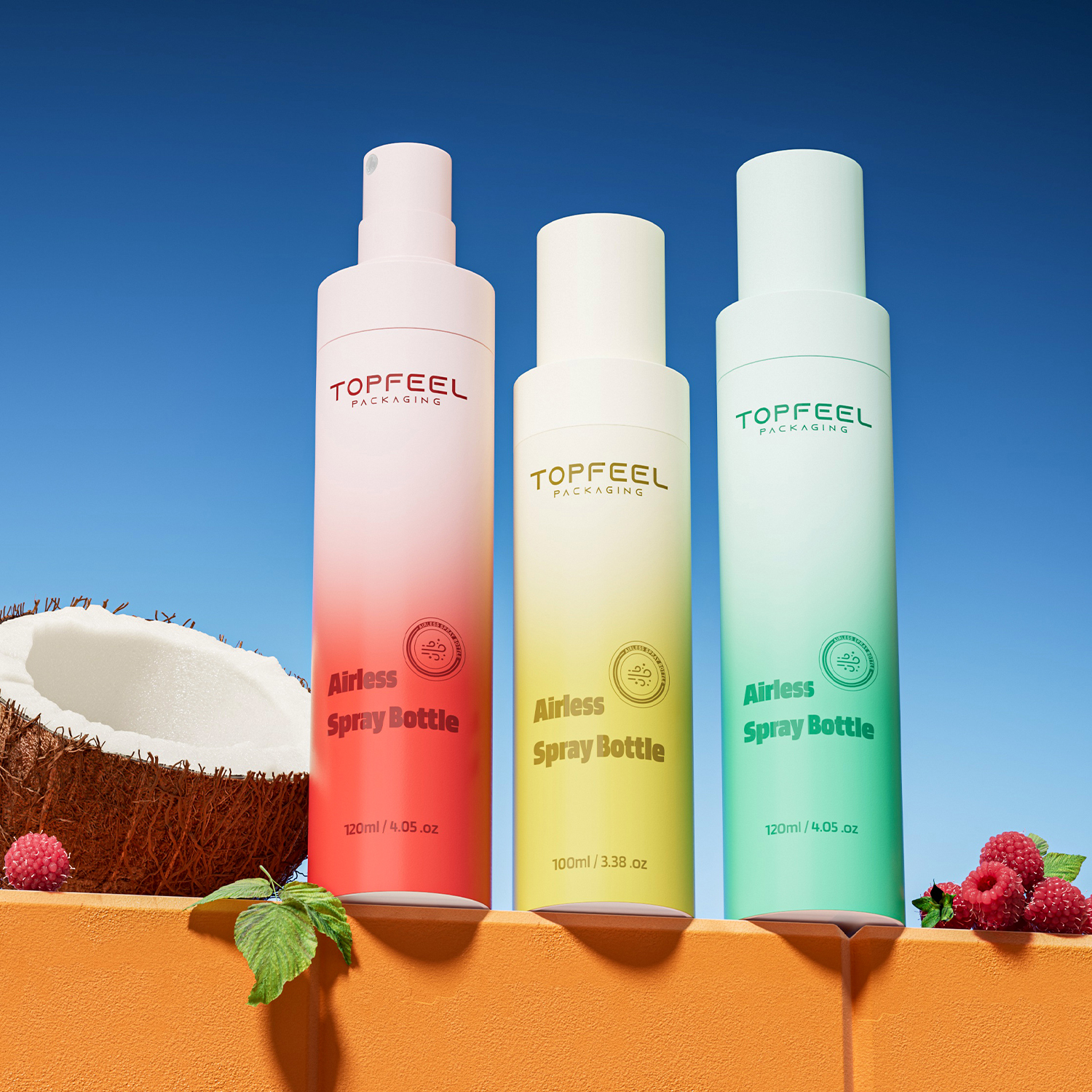 |
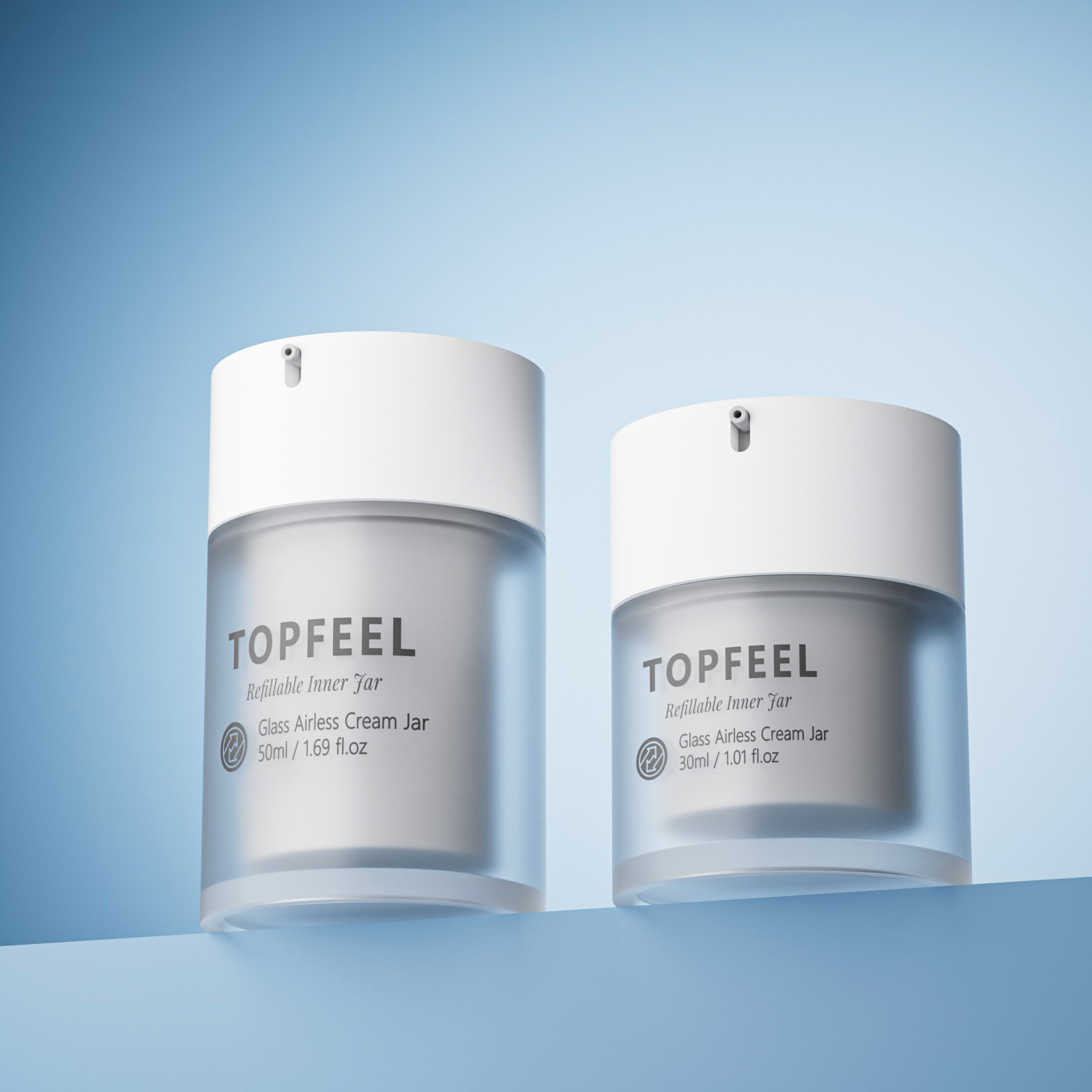 |
| Plastic Bottle | Glass Bottle |
Appearance and Brand Feel
- Glass: It feels heavy, premium, and “cool” to the touch. It represents luxury, purity, and trust.
- Plastic: It is incredibly versatile. While it can look “cheaper” than glass, high-quality plastics (like Acrylic or PET) can look very modern and stylish.
Durability and Safety
- Glass: It is fragile. If dropped in a bathroom, it can shatter and cause injury. This requires extra protection during shipping, which increases costs.
- Plastic: It is impact-resistant and almost impossible to break by dropping. This makes it the perfect choice for travel kits and shower products.
Weight and Shipping Costs
- Glass: It is much heavier than plastic. This leads to higher shipping fees and a larger carbon footprint during transportation.
- Plastic: Its lightweight nature makes it very “budget-friendly” for logistics and e-commerce brands.
Protection of the Formula (Barrier Properties)
- Glass: It provides an almost perfect barrier against oxygen and moisture. This is vital for “active” ingredients like Vitamin C or Retinol, which spoil easily when exposed to air or light.
- Plastic: Different plastics have different levels of protection. Some may allow a tiny bit of oxygen to pass through over time, which might affect the shelf life of sensitive formulas.
2. Deep Dive: Compatibility and Sustainability
Beyond looks, you must consider how the packaging interacts with the environment and the liquid inside.
Chemical Compatibility
It is a common mistake to think all liquids can go in any bottle.
- The Glass Advantage: Glass is “inert,” meaning it won’t react with your cream or oil.
- The Plastic Risk: Some plastics can react with essential oils or solvents. This might cause the bottle to “shrink” or “crack,” or worse, chemicals from the plastic could leak into your product. Always perform a compatibility test before mass production.
Environmental Impact (The Green Factor)
- Glass: It can be recycled forever without losing quality. However, melting glass requires massive amounts of energy (heat).
- Plastic: It has a bad reputation for ocean pollution, but modern plastics like PCR (Post-Consumer Recycled) and Bio-based plastics (made from plants like sugarcane) are changing the game.
3. How to Make the Final Decision (Decision Matrix)
To choose the right one, ask yourself these four questions:
What is your Product Positioning?
- Luxury/Professional: Go with Glass. It justifies a higher price point.
- Mass Market/Daily Use: Go with Plastic. It is practical and affordable.
What are your Ingredients?
- Highly Active/Organic: Use Dark Glass (Amber or Green) to block UV light and oxygen.
- Stable/Simple (Lotion/Soap): Plastic is more than enough.
Where will the Customer use it?
- In the Shower/Gym Bag: Plastic is safer and lighter.
- On a Vanity/Dressing Table: Glass looks beautiful and stays put.
What is your Total Budget?
Remember, the cost isn’t just the price of one bottle. You must calculate the Total Cost of Ownership (TCO), including:
- Molding fees (Glass molds are very expensive).
- Breakage rates during shipping.
- Filling speed on the production line (Plastic is usually faster).
| Feature | Glass | Plastic |
|---|---|---|
| Luxury Feel | High | Medium/Low |
| Cost | High | Low |
| Durability | Fragile | Tough |
| Protection | Excellent | Good |
| Sustainability | High (Recyclable) | Varies (PCR/Bio-based) |
Conclusion: The “Best” Choice Depends on Your Goal
There is no “perfect” material; there is only the “right” material for your specific product.
For high-end serums and perfumes, glass remains the king because of its stability and prestige. For shampoos, body milks, and travel items, plastic is the winner due to its safety and low cost.
Pro Tip: If you want a luxury feel but need to save money, consider Heavy-wall PET or Acrylic. These materials look like glass but have the durability and lower cost of plastic.
Would you like me to help you draft a checklist for your first meeting with a packaging supplier?