Empty Lotion Tubes: Top Features and Benefits
You know the feeling—you’ve got a killer lotion formula, but the packaging? Flimsy, wasteful, and about as exciting as a soggy napkin. That’s where empty lotion tubes come into play. These aren’t your garden-variety squeeze bottles—think recyclable HDPE, flip-tops that don’t leak in gym bags, and sleek finishes that make bathroom counters feel like boutique displays.
Turns out, over 70% of skincare brands are already riding this wave—not because it’s trendy, but because it works. “Consumers care more about sustainable packaging than ever before,” says Mintel’s 2023 Global Beauty Report. If your product’s dressed for success on the outside and inside? You’re not just keeping up… you’re setting the pace.
Key Points for Choosing Empty Lotion Tubes That Wow and Work
➔ Recyclable Material Matters: HDPE and bio-resin plastics offer eco-friendly options that support closed-loop packaging systems while cutting carbon footprints.
➔ Safety Comes Standard: BPA-free plastics ensure skin-safe contact—crucial for cosmetic creams and sensitive skincare lines.
➔ Smart Design Extends Shelf Life: Airless tubes prevent contamination, preserving botanical ingredients in lotions longer.
➔ Closures Make the Difference: Flip-top caps, pump dispensers, and nozzle applicators cater to convenience, hygiene, or precision needs across product types.
➔ Cost Savings Add Up Fast: Bulk 200 ml sizes lower unit pricing; recyclable material reduces disposal fees—ideal for budget-conscious brands scaling up.
➔ Aesthetics Influence Perception: White opaque finishes and luxe decoration methods like hot foil stamping elevate brand image on retail shelves or spa counters.
Five Key Features Of Empty Lotion Tubes
It’s not just what’s inside that counts—these tube upgrades are changing the game for skincare brands and DIY junkies alike.
Recyclable Material: Closed-Loop Packaging
The shift toward sustainable packaging isn’t just hype—it’s smart, stylish, and saves waste.
- Uses high-density polyethylene that’s easily recyclable.
- Ideal for brands aiming to meet eco-goals without compromising design.
- Supports closed-loop systems so old tubes become new ones again.
- Lightweight yet durable, making it perfect for travel containers and beauty refills.
- Compatible with most curbside recycling programs worldwide.
Topfeelpack integrates this material into its designs, making it easier for brands to go green without lifting a finger.
BPA-Free Plastic for Safe Skin Contact
No one wants sketchy chemicals near their face—especially not when it comes to lotions and creams.
- BPA-free plastic ensures zero leaching into product formulas.
- Especially critical for baby lotions, facial serums, and sensitive skin care lines.
- Reduces risk of allergic reactions or hormonal disruption from long-term exposure.
- Meets EU and FDA safety standards across cosmetic packaging categories.
This makes these squeezable tubes an easy win for both dermatologists and eco-conscious consumers alike.
Innovative Airless Design for Longer Shelf Life
When air stays out, freshness stays in—and that means longer-lasting results on your skin.
Airtight pump mechanisms prevent oxidation of delicate ingredients like peptides and plant extracts. This is especially important in formulas that don’t contain preservatives. By keeping air out entirely, these tubes help avoid contamination even after multiple uses. It’s also great news if you’re stashing botanical ointments or pharmaceutical creams that break down quickly when exposed to oxygen.
Airless tech isn’t just fancy—it actually works harder to protect what matters most inside the tube.
Tamper-Evident Seal Boosts Consumer Trust
You know that satisfying click when breaking a seal? That moment builds trust instantly—and here’s why:
• Prevents sneaky contamination before purchase
• Shows clear evidence if meddling has occurred
• Enhances brand credibility on store shelves
• Required by many retailers selling topical pharmaceuticals
According to Mintel’s Global Packaging Report Q2/2024, “Tamper-evident features now rank among the top three packaging expectations among Gen Z buyers.” That tiny seal might seem small—but it carries big weight with today’s savvy shoppers.
UV Protection Preserves Lotion Integrity
Sunlight doesn’t just fade colors—it can wreck your lotion too if you’re not careful. Here’s how these upgraded tubes fight back:
| Feature | Benefit | Best Use Case | UV Blocking Range |
|---|---|---|---|
| Opaque multi-layer walls | Blocks direct sun exposure | Outdoor sunscreens | Up to ~98% UVB |
| Metallized inner coating | Reflects rays away from formula | Retinol-based night creams | UVA + UVB |
| Tinted exterior finishes | Adds extra visual appeal | Herbal-infused lotions | Customizable |
These protective layers preserve everything from active SPF compounds to essential oils—keeping your lotion fresh whether it lives on your vanity or your beach bag.
And hey—if you’re doing some creative upcycling, those tinted tubes look pretty slick as DIY pen holders too!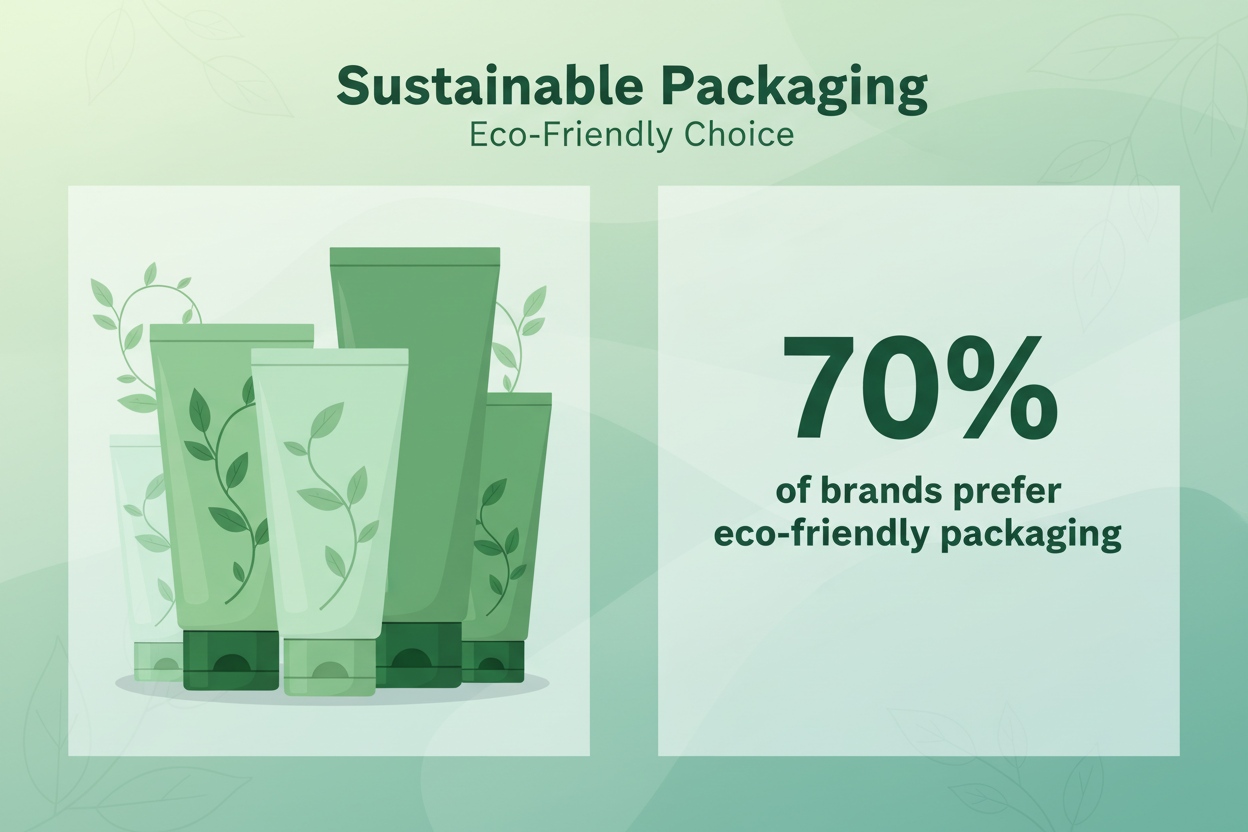
Seventy Percent Of Brands Prefer Empty Lotion Tubes For Sustainability
Sustainable packaging isn’t just a trend—it’s a demand. Brands are turning to smarter materials and greener processes to keep up with eco-conscious customers.
HDPE Plastic for Greener Packaging
- Durability on display: High-Density Polyethylene holds up against cracks, drops, and leaks—perfect for protecting creams and gels.
- Recyclability wins big: Municipal recycling programs widely accept HDPE, making it easy to repurpose into new packaging or industrial goods.
- Lightweight matters: Less weight means lower shipping emissions, which adds up fast across global supply chains.
- Safe for skin-contact formulas: This form of plastic doesn’t react with most skincare ingredients, keeping products stable and effective.
- Cost-effective choice: It balances performance with price—ideal for brands wanting green solutions without blowing the budget.
Bio-Resin Plastic: Cuts Carbon Footprint
Bio-resins are changing the game in sustainable packaging:
• They’re made from renewable sources like sugarcane instead of petroleum-based feedstocks.
• That switch slashes carbon emissions during production—a major win for climate-conscious companies.
• The material still behaves like traditional plastic, so no compromise on tube flexibility or shelf appeal.
And here’s the kicker—bio-resins work seamlessly in existing manufacturing lines, so companies don’t have to overhaul their entire process just to go green.
Topfeelpack offers bio-resin options that meet both environmental goals and consumer expectations—without skimping on aesthetics or durability.
Recyclable Material Drives Circular Solutions
- Post-consumer resins (PCR): These give old tubes new life by turning recycled content into fresh packaging formats.
- Mono-material constructions: Tubes made from one type of recyclable material simplify sorting and processing at recycling facilities.
- Clear labeling systems: Easy-to-read recycling symbols help consumers dispose of tubes correctly, boosting collection rates.
- Partnerships with recyclers: Some brands now collaborate directly with waste management firms to ensure proper recovery of used tubes.
- Design-for-recycling principles: From cap shape to ink choice, every detail is optimized to support circularity in lotion tube design.
This approach helps reduce reliance on virgin resources while promoting the reuse of existing materials like HDPE and other forms of recyclable plastic. See guidelines from RecyClass and the APR Design® Guide.
Shrink-Sleeve Labeling Reduces Waste
Shrink-sleeve labels aren’t just pretty—they’re practical:
They wrap around the entire tube, cutting down on extra adhesive layers or overlapping materials that mess with recyclability. Plus, they allow full-surface branding without needing multiple label components—which means less trash in landfills later on.
Some sleeves are even designed using compatible polymers that can be recycled right alongside the tube itself. So you get bold visuals without compromising sustainability goals—a rare combo in today’s packaging world focused on reducing excess use of non-recyclable components like certain types of coated paper or foil-lined wraps often found in non-HDPE based tubes.
This small tweak makes a big dent in overall waste output when scaled across thousands—or millions—of units.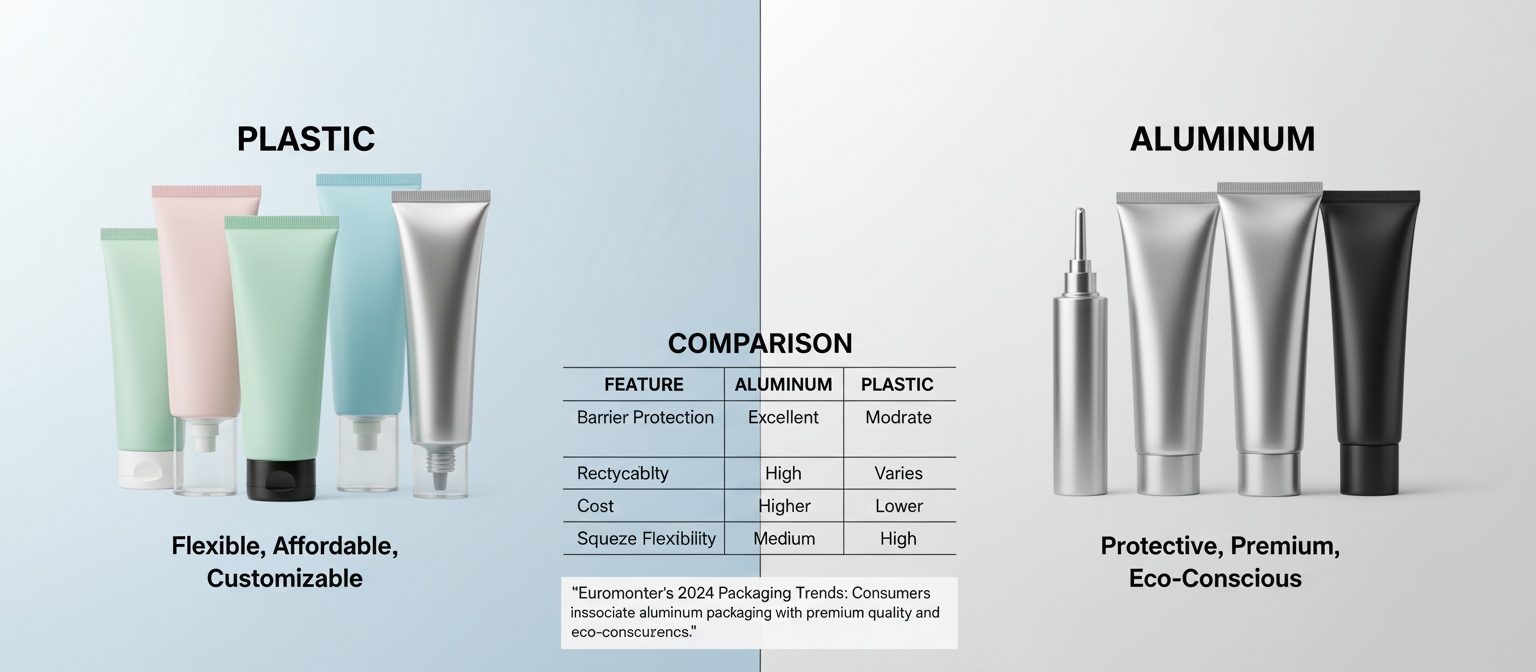
Plastic Vs Aluminum Empty Lotion Tubes
Choosing between plastic and aluminum for lotion containers isn’t just about looks—it’s about performance, feel, and how your product connects with people.
Plastic
Plastic tubes are often the go-to when flexibility and affordability matter most. Here’s why they’ve stuck around:
- LDPE offers great squeeze-ability; it’s soft and bounces back quickly.
- PET feels tougher in hand but presents better clarity—great if you want to show off the contents.
- They’re super lightweight, making shipping less expensive and easier on carbon footprints.
- Customization options? Endless! From colors to finishes to printing styles—it’s playground-level fun.
- Compatible with nearly every type of closure: snap-on pumps, flip top caps, screw caps, even sleek disc top caps.
While not as sturdy as metal, plastic tubes do just fine when paired with protective closures like child resistant caps or tamper-safe seals. Plus, recycling infrastructure is improving—especially for mono-material plastics.
Aluminum
Aluminum tubes bring more than just shine—they serve up serious function wrapped in style.
• You get unbeatable barrier protection against air, moisture, and light—perfect for sensitive skincare formulas. That’s why high-end brands love ‘em.
• The semi-rigid material keeps its shape once squeezed—a benefit when you want accurate dosage control through narrow openings like nozzle caps or precision pumps.
• According to Euromonitor’s 2024/2025 analysis, consumers increasingly associate aluminum packaging with premium quality and eco-consciousness. (See: Euromonitor on aluminium bottles)
• A quick comparison below shows how aluminum stacks up against plastic on key specs:
| Feature | Aluminum | Plastic | Winner |
|---|---|---|---|
| Barrier Protection | Excellent | Moderate | Aluminum |
| Recyclability | High | Varies by type | Aluminum |
| Cost | Higher | Lower | Plastic |
| Squeeze Flexibility | Medium | High | Plastic |
• Closures like twist lock caps, tamper-evident seals, or standard threaded lids pair well with aluminum tubes—especially when product integrity matters.
So while aluminum may cost more upfront, its durability and classy vibe make it worth every penny in the right context—even if you’re just squeezing out a daily moisturizer.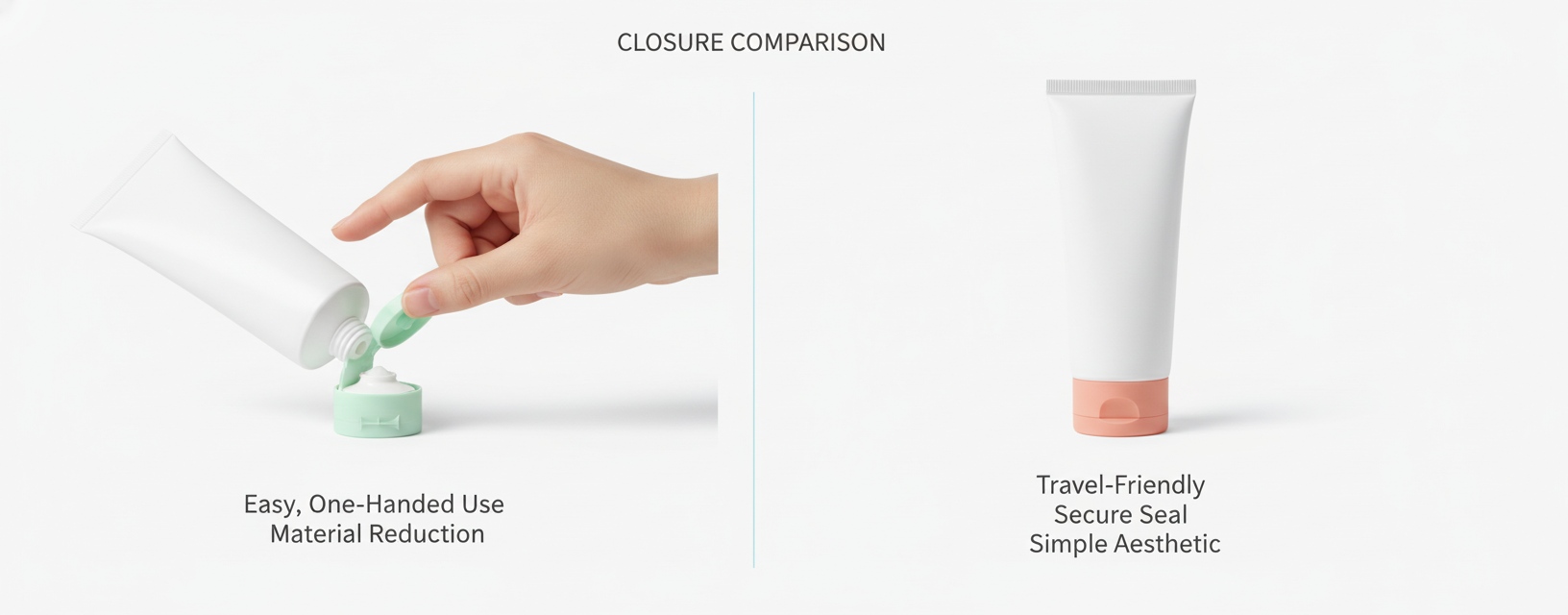
Types Of Empty Lotion Tube Closures
Different closures make or break the user experience. Here’s how each option stacks up for function, style, and daily use.
Flip-Top Cap
• Easy to pop open with one hand—great when you’re juggling a phone or kid in the other.
• Snaps shut tight, keeping thick creams from drying out at the nozzle tip.
• Works well with mid-weight formulas like sunscreen or moisturizer.
You’ll also get better customer experience, especially for people who reapply throughout the day. Since it’s a one-piece design, it supports material reduction, which helps cut down on packaging waste without compromising performance.
Screw-On Cap
Grouped by benefit, here’s why screw-on caps still hold their ground:
— Travel-Friendly: They don’t accidentally pop open inside your bag. That means fewer messes and more peace of mind on-the-go.
— Secure Seal: Threads lock tightly to prevent leaks, even under pressure changes in flights or shipping trucks. A win for product protection during transit.
— Simple Aesthetic: Clean lines make them ideal for minimalist brands that want packaging to reflect purity and simplicity.
These caps are also easy to produce using less plastic, contributing to smarter packaging design strategies focused on sustainability.
Nozzle Applicator
Pinpoint precision is what this closure is all about.
Some lotions need exact application—think spot treatments or medicated creams—and that’s where nozzles shine. They’re slim, often elongated tips that let users squeeze out just enough product exactly where it’s needed without overdoing it.
This precision minimizes waste and makes the tube last longer while supporting hygienic use for sensitive skin areas—a subtle but impactful boost to overall supply chain optimization, since less frequent repurchase = lower demand volatility.
Pump Dispenser
- Pumps give you control—each press delivers a consistent amount.
- Less mess! No squeezing required; hands stay clean.
- Ideal for thicker lotions that don’t easily flow out of regular tubes.
- Great for shared products since there’s minimal contact with contents.
- Adds perceived value because pumps feel premium and professional.
According to Mintel’s 2024 Global Beauty Packaging Report, “consumers now associate pump-based dispensers with higher product quality and improved hygiene.” That’s why many skincare brands are moving toward pump closures for high-viscosity formulations like night creams or body balms.
It also helps reduce overuse—which means fewer refills and better long-term cost performance across the board thanks to smarter cost analysis during lifecycle planning.
Child-Resistant Cap
This one’s built with safety in mind—not just convenience.
Child-resistant caps require coordinated actions like pressing down while twisting, making them difficult for little hands but simple enough for adults familiar with medication bottles or chemical containers.
Especially important when dealing with pharmaceutical-grade ointments or cosmetic actives that could irritate skin if misused by kids or pets around the house. These closures align strongly with modern regulations and enhance brand trust by showing commitment to safety-focused packaging design principles without sacrificing shelf appeal. See the standard: ISO 8317.
And if you’re seeking customizable options across all these closure types? Topfeelpack offers tailored solutions that blend function with form—all while keeping your lotion tube game strong from production line to bathroom counter.
Can Empty Tubes Cut Your Packaging Costs
Looking to cut costs without cutting corners? Here’s how smart choices in packaging—like switching up your tube materials—can seriously stretch your budget.
Bulk 200 ml Tubes Lower Unit Costs
• Buying larger batches of tubes means you’re not paying premium prices per piece. That’s basic supply-and-demand savings at work.
• Brands that produce high volumes of creams and gels can save big by standardizing on bulk orders of squeezable tubes, especially the widely used 200 ml size.
• When you streamline with one consistent container size, like a refillable travel size bottle, you also reduce warehousing chaos and simplify logistics.
HDPE Plastic Drives Down Raw Material Expenses
- High-density polyethylene is cheaper than alternatives like PET or aluminum.
- It’s easy to mold, which means lower manufacturing overhead.
- HDPE is durable yet lightweight—cutting down shipping costs too.
Used across everything from industrial goods to everyday beauty containers, this plastic makes sense for brands chasing leaner margins on their cosmetic packaging.
Recyclable Material: Minimizes Disposal Fees
Choosing recyclable materials doesn’t just feel good—it saves money long-term by reducing landfill fees and waste taxes in many regions.
That’s why more companies are turning toward sustainable options like biodegradable plastics or recycled-content tubes for their lotions and serums.
And when consumers are into green living, using eco-conscious materials in your eco-friendly tubes isn’t just cost-smart—it’s brand-smart too.
Label Application Beats Shrink-Sleeve for Savings
Short-term wins:
– Labels cost less per unit than shrink sleeves.
– They require simpler machinery during application.
– Less heat = less energy use = lower utility bills.
Long-term perks:
– Easier updates when product info changes.
– More flexibility with small-batch runs or limited editions.
– Fewer rejects due to misalignment issues common with sleeves.
If you’re working with DIY skincare lines or selling small-batch diy beauty products, label stickers on your refillable containers keep things affordable without sacrificing presentation.
Spa Packaging Empty Lotion Tubes Simplify Refills
Smart packaging can make or break a spa’s vibe—and its efficiency. These design-forward lotion containers are changing the game.
15 ml Capacity for Complimentary Spa Samples
Small but mighty, these sample-sized containers deliver big perks:
- Ideal for trial runs—clients get just enough without waste.
- Easy to stash in bags or travel kits.
- Great for promos without burning through inventory.
According to Mintel’s Spa Consumer Trends Report (2024), “trial-size formats increase post-service product sales by up to 27%, especially when paired with personalized recommendations.” That makes these compact tubes more than just cute—they’re strategic.
White Opaque Tubes Match Luxe Aesthetics
Visuals matter, especially where self-care meets high-end design:
• Clean white finishes project purity and calm—matching most spa interiors effortlessly.
• The opaque body hides product discoloration over time, keeping things always looking fresh on display shelves.
Plus, the neutral tone gives brands freedom to play with label colors while still maintaining that signature upscale look clients expect from premium services.
Pump Dispenser: Eases Hygienic Refills
Let’s be real—nobody wants grubby fingers dipping into shared jars at a spa.
This is where the pump top shines:
- It cuts down on contamination risk.
- It controls dosage precisely—no globs wasted.
- It prevents air exposure that could degrade active ingredients.
Whether used behind the counter or offered directly to guests in treatment rooms, this setup keeps everything clean and pro-level polished.
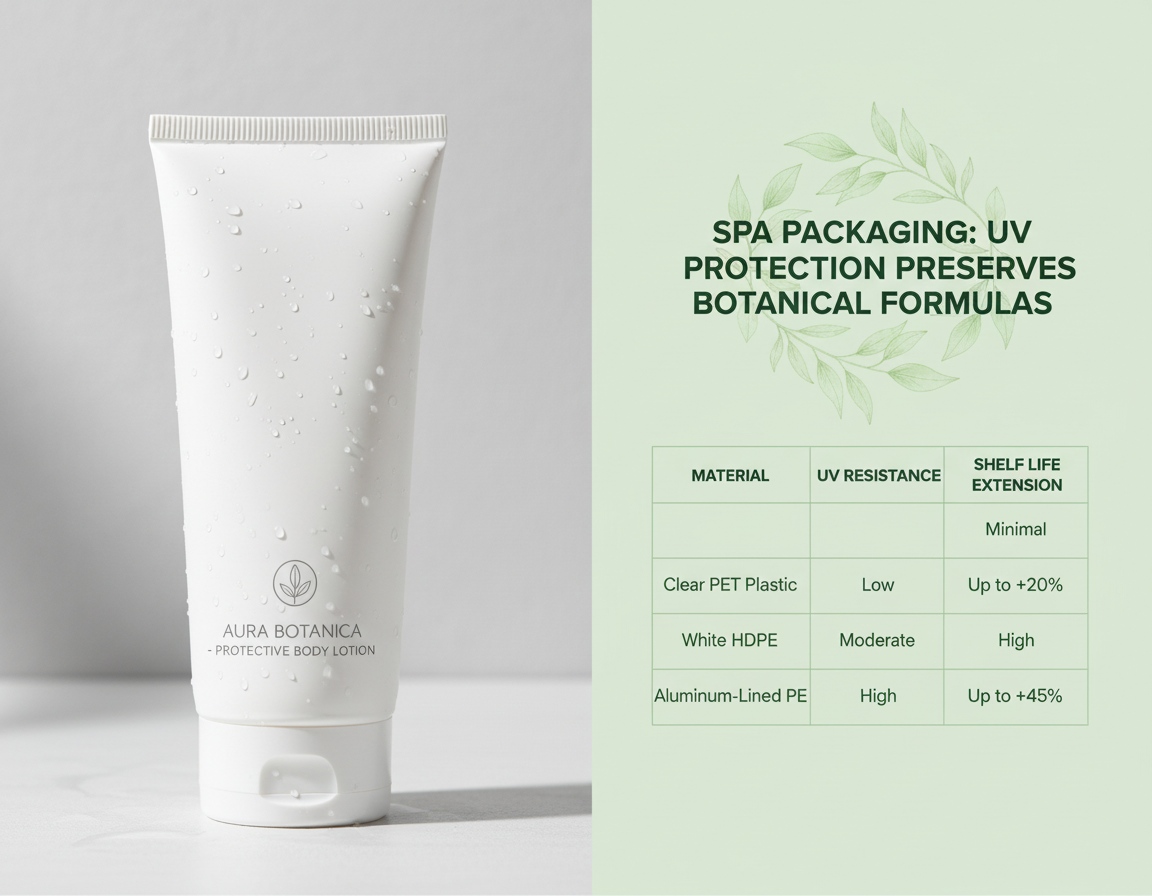
UV Protection Preserves Botanical Formulas
When your formulas are packed with extracts like chamomile or green tea, UV rays are the enemy.
These smartly designed tubes come with built-in UV shielding layers that protect those delicate botanicals from oxidation and breakdown—even if they sit by a sunny window all day long.
That means longer shelf life and consistent performance every time someone pumps out a dose of skin-loving goodness from these thoughtfully engineered containers.
Here’s how protection levels compare across common materials:
| Material Type | UV Resistance Rating | Shelf Life Extension | Common Use Case |
|---|---|---|---|
| Clear PET Plastic | Low | Minimal | Basic retail packaging |
| White HDPE | Moderate | Up to +20% | Budget skincare lines |
| Aluminum-Lined PE | High | Up to +45% | Botanical-rich blends |
So yeah—when it comes to preserving your formulas? These aren’t just tubes; they’re mini fortresses for your lotions and creams.
FAQs about Empty Lotion Tubes
What makes empty lotion tubes a smart packaging choice for big cosmetic brands?
It’s not just about function—it’s about values. Beauty giants are leaning into recyclable HDPE and bio-resins because they speak to eco-conscious customers. These materials:
- Cut down on landfill waste through recyclability
- Reduce emissions during production, especially with plant-based plastics
- Lower disposal costs over time
And when paired with minimalist labeling like shrink sleeves, the result is less waste and more impact.
Do airless designs really help lotions last longer?
Absolutely—and here’s why it matters. Once oxygen sneaks in, delicate ingredients start breaking down fast. Airless tubes act like tiny vaults for your formula—keeping botanical extracts stable and pharmaceutical creams potent far beyond what traditional tubes can manage.
Which cap styles work best for high-volume skincare lines?
Different closures serve different needs:
- Pump dispensers: Great for thick spa treatments or hygienic bulk use
- Flip-tops: Quick access without mess—perfect for everyday moisturizers
- Screw caps: Travel-friendly and secure enough to toss in a gym bag
Each one adds its own rhythm to how people interact with your product every day.
Why does UV protection matter so much in these tubes?
Sunlight doesn’t just fade labels—it weakens formulas too. Sensitive ingredients like zinc oxide or vitamin C break down under UV exposure. Tubes designed with UV-blocking layers protect those active compounds from losing their punch before they even reach the skin.
Is BPA-free plastic really that important in lotion packaging?
Yes—and not just as a buzzword. Skin absorbs more than we think, especially when applying medicated creams or baby-safe balms daily. BPA-free plastics remove any risk of harmful leaching, giving peace of mind to both makers and users who want safety without compromise. See FDA background on BPA.
Can 200 ml HDPE tubes actually lower packaging costs per unit?They can make a noticeable difference:
- Bulk orders bring volume discounts
- HDPE is widely available, which keeps raw material prices low
- Recyclable nature means fewer end-of-life handling fees
For manufacturers watching margins closely while scaling up production—that’s real value hiding inside each tube.
References
- Consumer Guide to Recycling Codes – U.S. Department of Energy – https://www.energy.gov/seia/articles/consumer-guide-recycling-codes
- How Do I Recycle My Common Recyclables? – U.S. EPA – https://www.epa.gov/recycle/how-do-i-recycle-common-recyclables
- Bisphenol A (BPA): Use in Food Contact Applications – U.S. FDA – https://www.fda.gov/food/chemicals/market-bisphenol-bpa-use-food-contact-applications
- Airless Solutions for Beauty – Aptar – https://www.aptar.com/beauty/pumps/airless-solutions/
- What Are UV-Resistant Bottles? – SKS Bottle – https://www.sks-bottle.com/blogs/packaging/what-are-uv-resistance-bottles-uv-containers
- APR Design® Guide Overview – Association of Plastic Recyclers – https://plasticsrecycling.org/apr-design-hub/apr-design-guide-overview/
- Design for Recycling Guidelines – RecyClass – https://recyclass.eu/recyclability/design-for-recycling-guidelines/
- I’m green™ Bio-based Polyethylene – Braskem – https://www.braskem.com/usa/Imgreen
- Tamper-Resistant Packaging Requirements for OTC Drugs – U.S. FDA – https://www.fda.gov/regulatory-information/search-fda-guidance-documents/tamper-resistant-packaging-requirements-otc-human-drug-products
- What Is a Disc Top Cap? – Berlin Packaging – https://www.berlinpackaging.com/what-is-a-disc-top-cap/
- What Is a Screw Cap? – Berlin Packaging – https://www.berlinpackaging.com/what-is-a-screw-cap/
- Flip-Top Dispensing Caps – MJS Packaging – https://www.mjspackaging.com/resources/closures/flip-top-dispensing-caps/
- 28/400 Spouted Nozzle Caps – SKS Bottle – https://www.sks-bottle.com/finishes/fin28nozzle.html
- Can Aluminium Bottles Capitalise on Beverage Cans’ Success? – Euromonitor – https://www.euromonitor.com/article/can-aluminium-bottles-capitalise-on-beverage-cans-success