Why Eco Friendly Cosmetic Packaging is the Future of Beauty
Tired of plastic overload? Scale up in style with Eco Friendly Cosmetic Packaging that wins over Gen Z and keeps retailers hooked.
You don’t need a crystal ball to see where the beauty biz is heading—Eco Friendly Cosmetic Packaging isn’t just riding shotgun anymore. It’s grabbed the wheel, flipped on cruise control, and left single-use plastic in the dust. Why? Because shoppers are tired of junking up their bathroom shelves with stuff that’ll outlive them by centuries. Recycled cardboard, refillable compacts, even plantable seed paper—what used to be “cute extras” are now must-haves if you want your brand taken seriously.
Big brands aren’t waiting around either; they’re switching gears fast to meet retailer demands and keep Gen Z from ghosting them for greener options. If you’re sourcing packaging at scale and still betting on old-school plastics… well, might wanna buckle up.
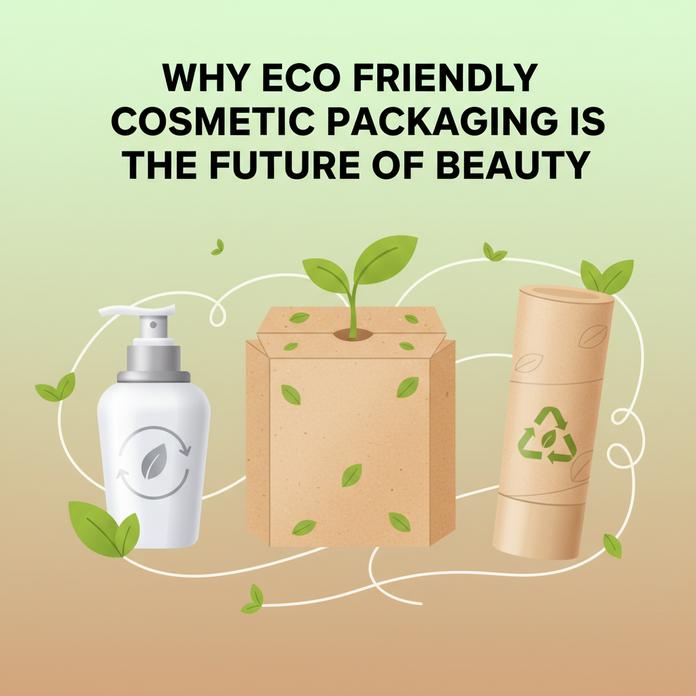
Essential Insights on Eco Friendly Cosmetic Packaging
- The Shift to Biodegradable Polymers: Biodegradable polymers provide sustainable alternatives to traditional plastics, minimizing environmental impact and reducing waste in landfills.
- Innovative Use of Plantable Seed Paper: Integrating seed paper into cosmetic packaging not only reduces waste but also allows consumers to engage in eco-friendly practices by planting their packaging.
- Importance of FSC Certification: Choosing materials with Forest Stewardship Council certification ensures responsible sourcing, helping to maintain forest biodiversity and lessen ecological footprints.
- Benefits of Sustainable Lip Balm Tubes: Sustainable lip balm tubes utilize minimal materials, supporting eco-conscious consumption while also reducing overall carbon footprints.
- Refillable Cosmetic Containers’ Advantages: Refillable containers lengthen product life cycles, drastically cut down on waste, and uphold high-quality standards for consumers.
- Long-Term Savings with Compostable Paperboard: Employing compostable paperboard can lead to cost-effective waste management and reduced long-term expenses for brands.
- Brand Success Stories: Notable brands are successfully adopting eco-friendly packaging, such as recycled cardboard, enhancing sustainability and improving consumer perceptions.
The Rise of Eco Friendly Cosmetic Packaging
The beauty world is finally catching up with the planet. Here’s how eco-friendly cosmetic packaging is changing the game.
The Shift to Biodegradable Polymers in Cosmetic Containers
Biodegradable polymers are quietly revolutionizing how we think about trash. These materials break down naturally, unlike traditional plastics that stick around for centuries. Here’s what makes them a go-to for sustainable cosmetic packaging:
- Made from renewable resources like corn starch, cellulose, and PLA
- Break down under composting conditions—no more cluttered landfills
- Perfect fit for brands chasing zero-waste goals
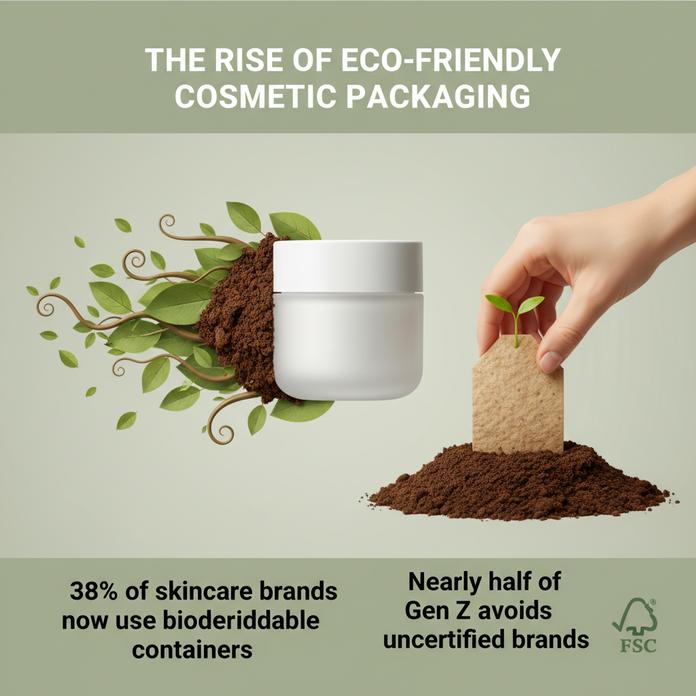
In fact, according to Euromonitor’s 2024 sustainability report, over 38% of skincare brands have already swapped to biodegradable containers—a jump from just 12% five years ago. That’s not just trendy; it’s smart business.
Plantable Seed Paper: A Game Changer in Packaging
You use it, then you plant it—how cool is that? Seed paper turns waste into wildflowers or herbs. It’s not just eco—it’s interactive.
- Print branding on seed-infused paper.
- Consumers soak and plant the wrapper after use.
- Watch basil or daisies grow instead of tossing trash.
This type of green cosmetic packaging adds emotional value while reducing waste streams. It’s quirky, memorable—and totally biodegradable. Plus, it gets people talking about your brand without even trying too hard.
Why Forest Stewardship Council Certification Matters
When you see an FSC logo on your lotion box or lipstick tube, that little badge means big things:
• Trees used were harvested responsibly from certified forests • Biodiversity and indigenous rights were respected during sourcing • Supply chains are audited regularly to prevent greenwashing
Short-term costs might be higher—but long-term trust pays off big time. As NielsenIQ pointed out in its Q1 2024 consumer trust survey, nearly half of Gen Z shoppers said they “actively avoid” brands without visible sustainability certifications like FSC on their eco packaging.
That tiny logo? It’s a silent promise that your favorite beauty brand isn’t cutting corners—or cutting down rainforests unnecessarily.
4 Reasons to Choose Eco Friendly Cosmetic Packaging Options
Choosing smarter packaging isn’t just a trend—it’s how beauty brands are staying real with their values and customers.
Sustainable Lip Balm Tubes Provide Eco-Conscious Convenience
- Sustainable packaging made from bamboo, post-consumer paper, or sugarcane bioplastics cuts down on plastic use.
- Lightweight tubes reduce shipping emissions, shrinking your carbon footprint.
- Push-up refillable formats offer both style and sustainability.
These lip balm tubes aren’t just cute—they’re cutting waste without skipping on function. With more shoppers demanding eco-design, it’s no wonder these tubes are taking over makeup bags.
Biodegradable Compacts: The Smart Choice for Eco-Friendly Beauty
A biodegradable compact isn’t just a feel-good choice—it’s a smart one. These containers break down naturally, leaving behind zero microplastics. Brands using materials like cornstarch resin or molded fiber are setting the bar high for green beauty innovation.
According to Euromonitor International’s April 2024 report, “Over half of Gen Z consumers now prioritize biodegradability when selecting cosmetic packaging.” That’s not just hype—that’s market reality.
Refillable Cosmetic Containers: Reducing Waste Without Compromising Quality
• Refill pods made of aluminum or glass keep formulas fresh while lowering landfill impact. • Magnetic pan systems allow users to swap out colors without tossing the whole palette. • Premium finishes still deliver that luxe vibe—minus the guilt.
Refillables are proving you don’t need to sacrifice design or durability to be kind to the planet. These refillable systems extend product life while aligning with sustainable values.
Water-Based Inks: The Safer Choice for Printing
Using water-based inks means fewer harmful chemicals and less pollution during production and disposal:
- Low-VOC composition makes them safer for workers and ecosystems.
- They bond well with recyclable materials, ensuring your printed branding doesn’t interfere with recyclability.
- Ideal for printing on kraft paper, bamboo cartons, and other eco-friendly cosmetic packaging options.
It’s a small switch that makes a big difference—especially when paired with compostable labels or FSC-certified boxes.
Why Topfeelpack Leads the Way in Eco-Friendly Packaging Innovation
Topfeelpack is pushing boundaries by combining sleek design with real-world sustainability:
• Offers custom solutions using biodegradable PLA, PCR plastics, and refill-ready formats. • Invests heavily in R&D focused on reducing total environmental impact across supply chains. • Partners with indie brands looking to launch responsibly without compromising aesthetics or performance.
From lip balm tubes to full-size compacts, Topfeelpack is showing how smart design can power truly eco friendly cosmetic packaging choices today—and tomorrow.
The Cost-Benefit Analysis of Eco Friendly Cosmetic Packaging
Looking at how eco friendly cosmetic packaging stacks up financially—both now and down the road. Let’s break it down.
Analyzing the Long-Term Savings with Compostable Paperboard
- Lower production costs due to lightweight materials
- Reduces waste disposal fees through waste reduction
- Requires less energy than plastic, cutting utility bills
Compostable paperboard might seem pricier up front, but over time it slashes recurring expenses. Unlike plastic, which racks up hidden costs like landfill taxes and recycling inefficiencies, paperboard fits into a more circular model. Brands using this type of packaging often see improved supply chain efficiency, especially when bulk shipping lighter goods. That’s not just good for your wallet—it’s better for the planet.
Is the Investment in Eco-Friendly Mascara Tubes Worth It?
Eco-conscious mascara tubes made from bamboo or aluminum offer more than just a pretty shelf presence:
• Boosts brand reputation by aligning with ethical values • Taps into growing markets focused on ethical consumption • Helps meet future regulatory compliance standards ahead of competitors
Topfeelpack has seen increased demand from beauty startups switching to these greener alternatives—not just for aesthetics but because they’re betting on long-term gains like higher margins and stronger customer loyalty. When you factor in both environmental impact and marketing potential, these tubes aren’t just trendy—they’re strategic.
By blending smart sourcing with sustainable design, eco friendly cosmetic packaging turns out to be a savvy financial move—not just an idealistic one.
Case Studies: Successful Brands Using Eco Friendly Packaging
Real-world examples show how smart brands are flipping the script on waste and winning big with eco friendly cosmetic packaging.
How a Top Brand Embraced Recycled Cardboard for Packaging
A cosmetics giant shook things up by ditching virgin materials and going all-in on recycled materials—specifically cardboard—for their primary and secondary packaging. This move didn’t just cut down on emissions, it also boosted consumer engagement and drove serious brand love.
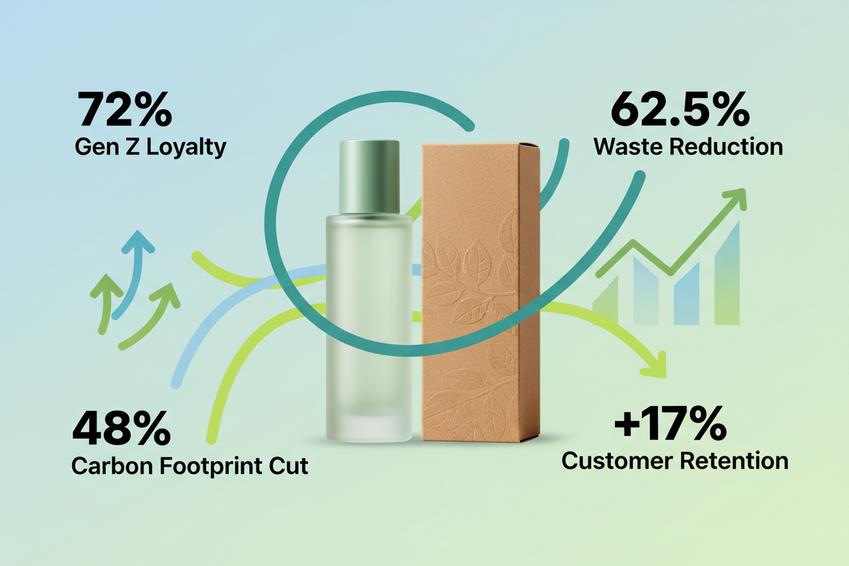
According to Mintel’s Sustainability Report Q1 2024, “72% of Gen Z shoppers say they feel more loyal to brands that use visible recycled or reused packaging.” That stat alone explains why this shift wasn’t just good for the planet—it was brilliant business strategy too.
Customers noticed the change instantly:
- The earthy texture of recycled cardboard gave products a premium, grounded feel.
- Minimalist design paired with clean printing techniques made it shelf-ready without being flashy.
- QR codes embedded in the box told stories about sustainable sourcing, adding emotional value to each purchase.
By aligning with eco values while still looking sharp, this brand didn’t just go green—they got ahead.
FAQs about Eco Friendly Cosmetic Packaging
1. What makes Eco Friendly Cosmetic Packaging attractive to large-scale buyers?
- Aligns production with sustainability goals using Biodegradable Polymers and Compostable Paperboard.
- Certifications such as the Forest Stewardship Council or ISO 14001 Environmental Management establish trust in responsible sourcing.
- Improves consumer perception—brands seen reducing waste through cleaner materials often earn higher loyalty scores.
2. How do refillable containers reshape brand identity across modern beauty lines?
Refillable Cosmetic Containers open a recurring cycle of reuse: the outer shell becomes treasured, while only inserts are replaced.
| Element | Benefit | Example Material |
|---|---|---|
| Shell durability | Supports reduced waste cycles | Recycled Cardboard |
| Inner pod swaps | Encourages customer return loop | Post-Consumer Recycled Plastic |
This rhythm between design longevity and material replacement turns sustainability into storytelling rather than mere packaging change.
3. Are water-based inks truly safe for printing cosmetic labels?
- Emit fewer volatile organic compounds than solvent types;
- Compatible with textured surfaces like Recycled Cardboard;
- Support clear graphic results without plastic coatings that hinder recycling streams;
★ Many suppliers complement them with Soy-Based Inks or Low VOC Inks, ensuring that printing adds no invisible harm while amplifying visual elegance.
4. Why should suppliers prioritize FSC or Global Recycling Standard certifications?
Holding these accreditations confirms careful forestry management and circular material flows—proof for clients craving verifiable green claims in products such as Green Haircare Bottles or Sustainable Fragrance Vessels.
5. Which decoration options preserve recyclability yet maintain brand artistry?
Short description + bullets structure: even subtle etching can speak volumes about craft.
- Laser Etching: crisp detail without ink excess; ideal for Premium Biodegradable Compacts.
- Embossing Techniques & Debossing Methods: tactile branding replacing metallic foils that resist recycling streams.
These minimalist gestures let eco-packaging whisper luxury instead of shouting it through gloss.
6. How does carbon neutral shipping complete the life cycle of sustainable cosmetics packaging?
Multi‑structure grouped bullet form:
▪ Uses Sustainable Packaging Materials and Optimized Package Sizing to cut emissions at every checkpoint;
▪ Combines batches via Consolidated Shipments, trimming transport frequency.
When tied together with Carbon Neutral Shipping credits, each parcel of Sustainable Lip Balm Tubes travels responsibly—from factory table to bathroom cabinet—with both message and material aligned toward balance with Earth’s rhythm.