Custom Dropper Bottles: Simple Plans for Customization Success
Custom dropper bottles aren’t just glass and caps—they’re the quiet MVPs behind a clean dose, an eye-catching shelf presence, and a customer who doesn’t spill their $60 serum on day one. If your product’s packaging feels off—or worse, invisible—you’re not alone. From gummy seals to dull designs that blend into the beige abyss of competition, brands everywhere are hitting the same wall: how do you stand out and stay safe?
Reading Notes: A Snapshot Symphony of Custom Dropper Bottles
➔ Material Matters: Amber glass offers UV protection and a premium feel, while HDPE shines for lightweight durability. Choose based on product sensitivity and shipping needs.
➔ Capacity Choices: From compact 5 ml to generous 50 ml, customizing bottle size supports both sample distribution and full-size product strategies.
➔ Cap Styles & Safety: Child resistant caps add safety for families; tamper evident options build consumer trust through visible security seals.
➔ Dropper Tip Precision: Rounded or tapered tips affect dosage control—crucial in skincare, essential oils, or tinctures where precision matters.
➔ Finish the Look: Frosted, matte, glossy or screen printed finishes turn packaging into brand storytelling tools that stand out on shelves and social feeds.
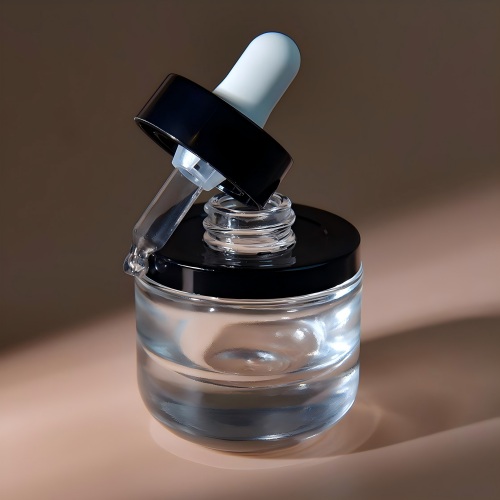
Types Of Custom Dropper Bottles Explained
Curious about how droppers differ? This guide breaks down materials, sizes, tips, finishes, and closures—so your packaging hits just right.
Material Options: Amber Glass to Plastic HDPE
• Amber Glass blocks UV rays like a champ—great for light-sensitive formulas.
• Plastic is lighter and less fragile, perfect for travel kits.
• Choose HDPE when you want durability without the weight of glass.
- Glass gives off that premium vibe; plastic leans practical.
- If sustainability matters, recycled HDPE is worth considering.
★ Brands after that eco edge often mix glass with PCR plastics.
Glass or plastic? That’s not just an aesthetic call—it’s about function too. Some oils break down in plastic over time; others are totally stable.
Short answer: pick based on what’s inside the bottle and where it’s going.
Explore Capacity Variations from 5 ml to 50 ml
• 5 ml – ideal for samples or trial runs
• 10 ml & 15 ml – common for essential oils and serums
• 30 ml – the go-to size for daily skincare routines
• 50 ml – best suited for bulk use or retail display
Grouped by usage:
- Travel-friendly: 5–10 ml
- Everyday use: 15–30 ml
- Professional/retail size: 50 ml
Small bottles scream exclusivity; larger ones feel generous. Size plays into perceived value—don’t overlook it.
And hey, if you’re selling online, lighter bottles save shipping costs too.
Compare Child Resistant Caps and Pumps with Droppers
- Child Resistant Caps: Safety first—especially vital for CBD tinctures or anything medicinal. Harder to open = peace of mind around kids.
- Pumps: Faster dispensing but harder to control dosage.
- Droppers: Precision wins here—ideal when every drop counts.
Want both safety and ease? Some brands pair droppers with tamper-evident collars.
A recent report by Mintel (2024 Q1) noted a sharp rise in demand for child-resistant closures in wellness products targeting parents aged 25–40—a trend worth watching closely.
Topfeelpack offers hybrid closures that combine safety with sleek design—smart move if your audience includes young families.
Discover Rounded, Straight, Curved and Tapered Tips
Grouped by effect:
- Rounded Tips: Gentle application; great for sensitive skin serums.
- Straight Tips: Clean lines; no-fuss dispensing.
- Curved Tips: Reach awkward angles easily.
- Tapered Tips: Pinpoint accuracy when every drop matters
Design isn’t just visual—it affects how users experience the product every single day.
If you’re bottling something thick like beard oil? Go tapered or curved. Thin liquids? Rounded tips do the trick without dripping everywhere.
Tip shape may seem small—but it changes everything about usability.
Choose Frosted, Matte, Glossy or Screen Printed Finishes
• Frosted = soft elegance; feels high-end but subtle
• Matte = modern minimalism; hides fingerprints well too!
• Glossy = bold shine that pops on shelves instantly
• Screen Printed = full customization potential with logos/text baked right on
Grouped by brand vibe:
- Luxe feel: Frosted + Screen Printed
- Trendy/Youthful: Matte + Bold Colors
- Classic/Clean: Glossy + Clear label zones
Finishes aren’t just pretty—they tell your brand story at a glance. A matte finish might whisper “clean beauty,” while glossy screams “glam.”
One touchpoint can make someone stop scrolling—or keep walking past your shelf entirely.
Why Choose Custom Dropper Bottles Over Standard?
Choosing the right packaging isn’t just about looks—it’s about performance, protection, and making your brand unforgettable.
Strong UV Protection with Cobalt Blue Glass
- Blocks out harmful light rays that degrade sensitive formulas
- Boosts shelf life for products like essential oils and pharmaceutical blends
- Gives a premium look without compromising on function
- UV protection is essential for light-sensitive contents like serums or tinctures.
- The deep hue of cobalt blue glass filters UV rays better than clear or amber bottles.
- It helps maintain product integrity, especially for organic or preservative-free formulas.
Ideal for brands selling aromatherapy oils
Preferred in wellness markets where purity matters
Reduces risk of oxidation and discoloration
Instead of relying on synthetic stabilizers, many brands are turning to natural preservation via packaging—this is where blue glass shines brightest.
Elevated Branding via Screen Printed Finishes
Screen printing isn’t just decoration—it’s your silent salesperson on every shelf.
- You get crisp detail and long-lasting visibility through advanced screen printing methods.
- Unlike stickers or labels, these custom finishes won’t peel off with moisture or oil exposure.
- Whether it’s minimalist logos or full-color artwork, the bottle becomes part of your brand story.
Short-run boutique lines? High-volume cosmetic drops? Doesn’t matter—this finish adapts to both while giving your packaging that “premium” vibe customers remember.
Topfeelpack offers flexible design services so you can align every inch of your bottle—from cap to base—with your branding goals.
Leak Prevention through Tamper Evident Caps
Grouped Benefits:
- Leak prevention ensures no product loss during shipping
- Adds a layer of trust with visible safety seals
- Enhances user confidence at first use
Grouped Features:
• Secure snap-on design fits tightly around the dropper neck
• Easy-to-break band signals first-time opening clearly
• Compatible with most standard closures and dropper tips
Grouped Applications:
✓ Skincare serums needing sterile conditions
✓ CBD oils requiring compliance labeling
✓ Children’s supplements with strict safety requirements
These aren’t just caps—they’re mini guardians for your formula inside.
Precise Dispensing using Straight and Tapered Tips
Here’s how different tip styles make application smooth and smart:
Step 1: Choose between straight tips for thin liquids or tapered ones for thicker formulas.
Step 2: Match viscosity with flow rate to avoid overuse—no more messy spills!
Step 3: Add ribbed collars or child-resistant features if needed.
Precision isn’t just about control—it’s about trust between brand and user. When someone gets exactly what they need from one squeeze, they’re coming back for more.
This kind of thoughtful dropper design boosts repeat purchases without changing the formula at all.
Tailored Capacities from 5 ml to 50 ml
| Bottle Size | Ideal For | Common Use Case | Shipping Weight |
|---|---|---|---|
| 5 ml | Trial kits | Essential oil samples | Low |
| 15 ml | Daily-use skincare | Vitamin serums | Moderate |
| 30 ml | Standard retail size | Beard oils | Moderate |
| 50 ml | Value-size formulations | Hair growth tonics | Higher |
Why stick to one size when every customer has different needs?
Some want pocket-sized convenience; others want long-term value. Offering varied capacities not only meets demand but also lets you scale pricing tiers smartly across markets—from travel kits to deluxe home sets—all while keeping the same trusted bottle shape intact under one product line name.
3 Key Factors Influencing Dropper Bottles Customization
Getting the right dropper bottle isn’t just about looks—it’s about smart choices in material, safety, and function.

Material Durability: Amber Glass and Plastic HDPE
Picking the right body for your drop-style bottle? Here’s what you need to know:
- Amber Glass
• Offers excellent UV Protection, shielding light-sensitive contents.
• Known for high Chemical Resistance, ideal for essential oils or serums.
• Rigid but breakable—handle with care. - Plastic HDPE
• Lightweight, flexible, and has great Impact Strength—won’t shatter if dropped.
• Also resistant to many chemicals but not as UV-blocking as glass.
• Often used for bulkier or travel-friendly packaging.
Both materials have their fans. If you’re bottling something delicate or reactive, go glass. For rugged handling or cost-saving? HDPE’s your buddy.
Security Boost from Child Resistant and Tamper Evident Caps
Safety’s not just a nice-to-have—it’s essential when you’re dealing with sensitive liquids. That’s where Child Resistant Caps and Tamper Evident Caps come in strong. These closures add a layer of trust for both users and regulators. Parents can breathe easier knowing curious little hands won’t easily twist open something they shouldn’t touch. Meanwhile, tamper indicators reassure customers that no one’s messed with the product before it reaches them.
As highlighted by Mintel’s Packaging Trends Report (2024), “Over 70% of consumers say visible security features increase their likelihood of purchase.” That stat alone shows how much weight people place on perceived product integrity—and why these caps are more than just compliance checkboxes.
Dispensing Accuracy via Dropper Tip Styles and Sizes
You ever squeezed too much serum out of a bottle? Yeah—not fun. Getting the dosage right matters big time, especially in skincare or meds where precision counts.
• Start with the tip shape—rounded ones give smoother flow; pointed tips offer better control over tiny drops.
• Then there’s size: smaller-diameter tips slow down flow rate, which is perfect when micro-dosing is key. Larger tips? Better for thicker liquids like oils or gels.
Now mix in different drop volumes—from micro-pipettes delivering under 0.05 ml to larger droppers pushing out over 1 ml at a time—and you’ve got serious versatility baked into design choices.
Pairing the correct tip style with your formula ensures consistent delivery every single time. And let’s be real—no one wants a surprise blob when they expected a drop!
Tired Of Leaks? Seal Tightness With Custom Dropper Bottles
Finding the perfect seal isn’t rocket science—but it sure feels like it when liquid ends up where it shouldn’t. Let’s fix that.
Screw Thread Closure for Airtight Seal
- A well-designed screw thread does more than just twist shut—it creates a precise lock between the cap and the bottle neck.
- Consistent torque during capping keeps the seal tight, ensuring no drips sneak out during transport.
- The right pitch and depth of the thread design directly impact overall seal integrity, especially for oils and serums.
If you’re tired of mystery leaks, dial into your closure mechanics. Even minor tweaks can mean major improvements for your packaging game.
Tamper Evident Cap vs Child Resistant Cap
There’s a tradeoff between safety compliance and user-friendliness—and packaging design sits right at that crossroads. A solid tamper evident cap gives customers confidence their product hasn’t been messed with. On the other hand, a good child resistant cap keeps curious little hands out but can frustrate older users.
According to Mintel’s Packaging Trends Q1 Report (2024), over 62% of consumers now consider ease-of-use equally important as safety features when choosing health products. That means brands need to strike a balance—without compromising regulatory standards.
Dropper with Bulb or Pump with Dropper Seals
- Classic rubber-tipped droppers offer easy dosing but may wear down over time—especially if paired with volatile oils.
- Pumps deliver more control per press but may struggle with thicker liquids unless paired with compatible seals.
- Viscosity matters: watery formulas behave differently than syrupy ones when passing through narrow tips.
- Material compatibility plays a role too—some essential oils degrade certain plastics, weakening dropper performance.
Mixing precision dispensing tools like pumps or bulbs with reliable internal sealing helps keep both functionality and shelf-life intact.
Material Influence: Glass vs PET on Seal Integrity
| Material | Chemical Resistance | Impact Durability | Seal Retention |
|---|---|---|---|
| Glass | Excellent | Low | High |
| PET | Moderate | High | Moderate |
Glass bottles tend to form tighter seals thanks to their rigid necks, which maintain consistent threading under pressure. But let’s be real—drop one on tile, and you’re cleaning up shards before breakfast. PET steps up here; its flexibility reduces breakage risk while still holding its own when paired with quality closures.
For brands like Topfeelpack aiming to offer both elegance and durability across their packaging lines, blending material strengths is part art, part science—and totally worth it.
When choosing between glass and PET, think about how your formula behaves under stress… then match it to a container that won’t flinch under pressure.
Skincare Launch: Custom Dropper Bottles For Hygienic Dispensing
A fresh take on dropper bottles designed with hygiene, safety, and user experience at the core—ideal for modern skincare launches.
Hygienic Serum Packaging with Child Resistant Caps
• Keeps curious little hands out while preserving product integrity inside the bottle.
• These child resistant caps are more than just a safety feature—they’re part of a clean dispensing ritual that feels reliable every time you twist them open.
The smooth action of these closures ensures a tight seal without sacrificing ease of use, making them perfect companions to hygienic serum formulas that demand purity from start to finish.
Contamination Control using Glass Dropper Tips
- Precision is everything: glass dropper tips deliver exact amounts with minimal exposure.
- No backflow drama—liquid stays clean, even after multiple uses.
- Unlike plastic alternatives, glass doesn’t react with sensitive actives in your favorite skincare serums.
With contamination risks cut down drastically, these tips are the unsung heroes behind every sterile and effective application experience.
Clean-Feel Dispensers with Frosted Surface Finish
The frosted exterior isn’t just about aesthetics—it’s tactile reassurance in your hand.
You won’t see smudges or oily fingerprints disrupting the look of your vanity setup anymore; instead, these clean-feel dispensers offer a soft matte grip that whispers luxury while still being practical enough to toss into a travel pouch or daily bag.
Plus, they give your brand that upscale vibe without trying too hard.
Optimized 15 ml and 30 ml Droppers for Samples
Short and sweet:
– The 15 ml droppers are perfect testers—compact but not stingy.
– The slightly roomier 30 ml droppers hit the sweet spot between sample and full-size.
– Both sizes keep packaging costs low while maintaining premium feel through custom finishes and precise dispensing control.
These formats help brands collect user feedback fast before scaling up production—smart play all around when launching new skincare lines built on trust and trial.
FAQs about Custom Dropper Bottles
What makes custom dropper bottles a smart choice for skincare?
Custom dropper bottles aren’t just containers—they’re part of the experience. The right bottle keeps your formula safe, delivers each drop with precision, and adds elegance to your brand’s story.
- Child-resistant caps help protect curious little hands
- Frosted finishes give off that luxe, spa-like vibe
- Glass droppers reduce contamination—no more messy spills or wasted product
Should I go with amber glass or plastic HDPE?
It depends on what matters most to you. Amber glass is perfect if you’re working with light-sensitive ingredients like retinol—it blocks harmful UV rays while giving a premium feel. On the other hand, HDPE plastic is tough and lightweight, making it ideal when shipping costs are tight or durability is key.
How do different tip styles affect how users apply products?
Application isn’t just function—it’s ritual. A straight-tip dropper gives you pinpoint accuracy for oils and tinctures where every drop counts. Tapered tips offer smoother flow control—great for serums meant to glide across skin effortlessly.
Rounded tips may be easier to use quickly but can lack finesse in dosage control.
Can tamper-evident caps really stop leaks during transit?
Yes—and they do more than that. These caps create an airtight seal strong enough to withstand bulk shipping jostles while signaling safety and freshness at first glance. When paired with screw-thread closures, leakage becomes almost nonexistent—even under pressure.
Why does screen printing matter on custom packaging like this?
Labels peel; ink doesn’t lie. Screen printing fuses branding directly onto the bottle surface so your logo stays crisp through moisture, oil contact, even time itself—all while adding a tactile quality customers notice before they even open the cap.
Which sizes work best for different cosmetic uses?
- 5 ml: Perfect for samples or travel kits—just enough without waste
- 15 ml: Great balance between trial size and daily use items like eye serums
- 30 ml: A sweet spot for full-size facial treatments that last weeks
Each size tells its own story—from curiosity to commitment—and helps guide customer expectations from shelf to sink-side routine.