The Ultimate Guide to Cosmetic Airless Pump Bottles in 2025
You ever crack open a fancy face cream, only to find it’s dried out before you even hit halfway? That’s exactly why cosmetic airless pump bottles are blowing up in 2025—they’re like Fort Knox for your formulas. These sleek little dispensers aren’t just pretty faces; they lock out air, keep bacteria at bay, and stretch shelf life by nearly a third. In a world where your brand’s first impression often comes via packaging, that’s not just nice—it’s non-negotiable.
So if you’re a packaging decision-maker juggling performance, polish, and bulk orders that actually deliver—this guide cuts straight to the chase.
Key Points in the Rise and Reign of Cosmetic Airless Pump Bottles
➔ Longer Shelf Life: Airless pump bottles extend product freshness by 30% by preventing oxidation and contamination.
➔ Material Versatility: Choose from acrylic, AS plastic, or PP plastic based on your formula’s stability and branding goals.
➔ Popular Capacities: 15ml, 30ml, and 50ml sizes are most common—each tailored to specific usage patterns and user convenience.
➔ Surface Customization: Matte, glossy, soft touch, or even silk screen printing boost tactile appeal and shelf presence.
➔ Pump Mechanism Options: Match lotion pumps for creams or fine mist sprayers for lightweight serums to optimize user experience.
➔ Leak Protection Strategies: Reinforced neck seals with hot stamping or silicone gaskets in AS bottles cut down on leakage risk.
➔ Global Sourcing Insights: Work with certified manufacturers in China, Europe & the U.S. to ensure quality assurance at scale.
Why Cosmetic Airless Pump Bottles Will Dominate 2025 Market
Smart packaging isn’t just about looks anymore—it’s about keeping your formulas fresh, stylish, and safe.
Data shows 30% longer shelf life with airless pump bottles
- Airless pump bottles block oxygen from seeping in, slowing down formula degradation.
- Reduced exposure to light and air preserves product efficacy for longer durations.
- Unlike jars or open dispensers, these pumps minimize contamination risks with each use.
- A study by Euromonitor International in Q1 2024 found that skincare lines using cosmetic airless tech saw a “marked increase in repeat purchase rates due to better product stability.”
- Brands using this packaging report up to a 30% boost in perceived product quality—consumers trust what stays potent longer.
- The sealed mechanism helps extend the actual shelf life, cutting down on waste from expired goods.
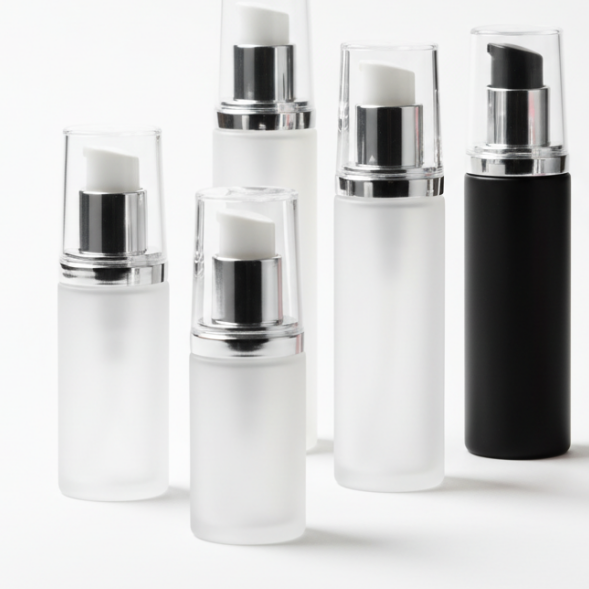
Rising trend of custom-color finishes in 30ml airless bottles
• More indie brands are choosing bold hues and metallic sheens for their 30ml bottles, turning packaging into part of the brand story.
• Matte black, frosted lilac, and soft gold are trending across Korean and European skincare startups.
• With customizable finishes now widely available, even small-batch producers can create premium-looking containers without blowing their budget.
→ Consumers today aren’t just buying what’s inside—they’re judging by the bottle too. Unique colorways help products pop on shelves or social feeds.
→ These compact airless bottles also fit easily into travel kits or handbags, making them ideal for on-the-go skincare routines.
→ As personalization becomes key in beauty marketing, expect more brands to treat the outer shell as seriously as the formula inside.
Why top brands prefer 50ml acrylic airless pumps for creams
Step 1: Recognize that high-end creams need barrier protection—enter the sturdy build of a 50ml acrylic container.
Step 2: Add an inner vacuum chamber that keeps rich textures untouched by external elements like light or bacteria.
Step 3: Combine durability with elegance—the clear outer wall gives it a luxe look while protecting internal contents like a vault.
Topfeelpack has nailed this combo perfectly—its premium-grade materials offer both aesthetic appeal and airtight security for thick moisturizers or SPF-rich formulas.
Creams housed in these sleek acrylic bodies stay fresher longer, resist oxidation better than traditional jars, and make every press feel indulgent.
The result? A package that not only protects but elevates your entire brand experience—from first glance to last drop of cream.
Types Of Cosmetic Airless Pump Bottles
From materials to finishes and pump styles, these bottle types pack more than just your favorite formulas—they shape the whole skincare experience.
Material-Based Airless Pump Bottles
- Acrylic: Known for its crystal-clear body and solid feel, it’s a go-to for luxury skincare lines.
- PP plastic: Lightweight and eco-friendly, it’s often used in clean beauty packaging.
- AS plastic: Offers a nice balance between transparency and cost-effectiveness.
- Glass: Rare but rising in popularity for its recyclable and premium appeal.
- PCR (Post-Consumer Recycled): A sustainable option gaining traction in eco-friendly product lines.
- Aluminum: Sleek, durable, and 100% recyclable—perfect for high-end serums.
- Each material affects the bottle’s weight, durability, and compatibility with formulations.
Capacity Variations of Airless Bottles
- 5ml: Ideal for samples or eye creams.
- 15ml: A sweet spot for travel-sized serums or spot treatments.
- 30ml: Common for daily moisturizers and face primers.
- 50ml: Popular for lotions and creams with regular use.
- 100ml: Often used for body care or high-volume skincare routines.
- 120ml: Rare, but used in specialized product lines.
- Custom sizes: Brands often request unique volumes to match their identity.
Surface Finish Options for Cosmetic Packaging
• Matte: Smooth and non-reflective, offering a soft, modern vibe.
• Glossy: Shiny and bold, great for catching eyes on shelves.
• Soft-touch: Velvet-like texture that feels luxurious in hand.
• Metallic: Adds a futuristic or premium edge, especially in UV coating finishes.
• Silk screen printing: Allows for precise, durable labeling.
• Hot stamping: Adds foil accents—usually gold or silver—for a glam touch.
Pump Mechanism Categories: Lotion, Serum, Fine Mist
Grouped by function and feel, these pump mechanisms cater to different skincare textures:
Lotion Pump
- Dispenses thicker creams with ease
- Built with leak-proof seals
- Often paired with airless technology to prevent oxidation
Serum Pump
- Designed for light, concentrated formulas
- Offers precision dispensing
- Common in 15ml and 30ml sizes
Fine Mist Sprayer
- Delivers a gentle, even spray
- Ideal for toners and facial mists
- Often features dosage control for consistent application
| Pump Type | Ideal Capacity | Product Texture | Special Feature |
|---|---|---|---|
| Lotion Pump | 30ml–100ml | Thick | Leak-proof |
| Serum Pump | 15ml–30ml | Light/Viscous | Precision dispensing |
| Fine Mist Sprayer | 50ml–120ml | Watery | Dosage control |
5 Steps To Customizing Your Pump Packaging
Creating standout packaging isn’t magic—it’s method. Here’s how to make your pump bottles hit different on every shelf.
Choosing the Right Bottle Material for Your Formula
• Acrylic gives off that high-end, luxe vibe—great for serums and prestige skincare.
• PP plastic is lightweight and durable, ideal for travel-friendly or budget-conscious lines.
• Glass screams premium but needs extra care during shipping.
✓ Check formula compatibility before locking in a material—some essential oils can break down plastics over time.
✓ Consider chemical resistance if your product includes active ingredients like retinol or AHAs.
Don’t forget aesthetics matter too. A sleek bottle only works if it plays nice with what’s inside.
Topfeelpack offers hybrid options that blend design and durability—so you don’t have to choose between beauty and brains.
Selecting Optimal Capacity: 15ml, 30ml, 50ml and Beyond
- 15ml: Perfect for eye creams, spot treatments, or trial-size testers
- 30ml: The sweet spot for daily face serums and moisturizers
- 50ml+: Best for body lotions, sunscreens, or products with longer usage cycles
✔ Match the bottle capacity to your customer’s routine—no one wants to carry a jumbo bottle on vacation.
✔ Think about dosage per pump; more potent formulas may need less volume overall.
According to Mintel’s Q1 2024 Packaging Trends Report, “Consumers now prioritize portability without compromising function,” which makes mid-sized formats more popular than ever.
Customizing Surface Finishes: Matte, Glossy or Soft Touch
• Want sophistication? Go with a velvety matte finish—it hides fingerprints too.
• Glossy finishes catch light well but show smudges easily (great for display-heavy products).
• Soft touch feels plush and adds an upscale tactile experience.
→ Texture influences perception just as much as color does. A smooth surface screams clean beauty; textured ones suggest artisanal care.
A subtle change in surface finishes can elevate even the most minimalistic packaging into something unforgettable—and Instagrammable.
Integrating Brand Colors into Clear and Frosted Designs
Group A – Clear Bottles:
- Let vibrant formulas shine through
- Use metallic pumps/sleeves for contrast
- Excellent choice when product color is part of branding
Group B – Frosted Bottles:
- Offer a soft-focus effect that feels luxurious
- Pair beautifully with muted tones like sage green or blush pink
- Great backdrop for bold fonts or graphics
Use Pantone-matched pigments to maintain brand consistency across SKUs.
Mixing transparency levels helps control how much of the formula is visible while still pushing strong identity cues through brand colors.
This combo lets you stay playful without losing polish—a balance today’s consumers crave from their skincare packaging.
Partnering with Global Suppliers for Consistent Quality
Here’s what separates reliable partners from risky ones:
| Region | Strengths | Certifications | Lead Times |
|---|---|---|---|
| China | Cost-efficiency + innovation | ISO9001, SGS | Short |
| Europe | Precision + eco-materials | REACH Compliant | Moderate |
| U.S.A | Speed-to-market + customization | FDA Registered | Fast |
✦ Aligning with vetted suppliers ensures your packaging meets both aesthetic goals and regulatory standards globally.
✦ Topfeelpack collaborates across continents to maintain high-quality outputs whether you’re scaling up fast or launching niche collections.
Consistency isn’t optional—it’s expected when building trust through cosmetic airless pump packaging systems that perform just as well as they look.
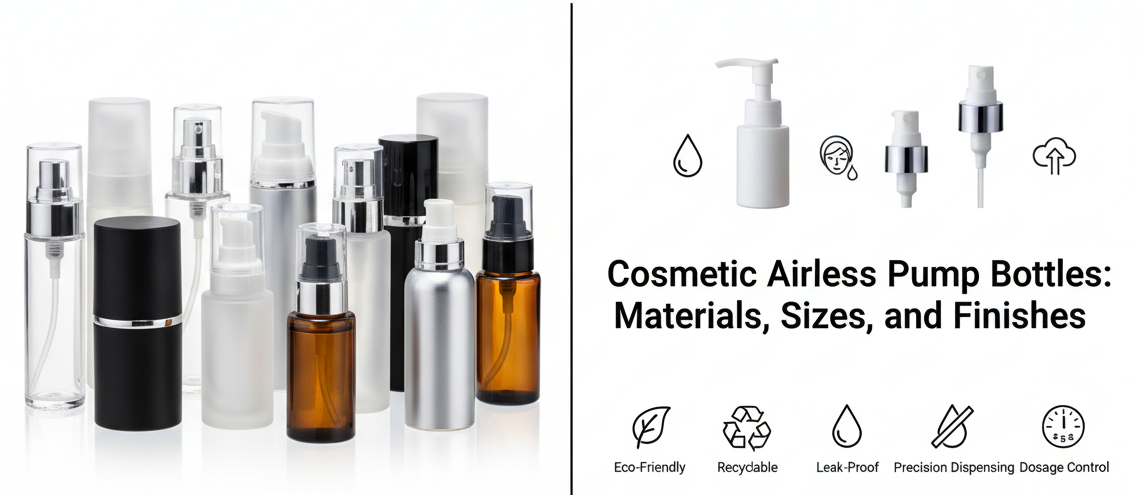
Airless Vs. Traditional Pump Bottles
A quick dive into how two packaging approaches—one classic, one modern—handle your favorite skincare and beauty formulas.
Airless Pump Bottles
Airless pump bottles are the go-to for brands seeking to protect delicate formulations without fuss. These bottles use a vacuum system instead of a dip tube, which means no air sneaks in to mess with your product. That’s a win for preservation.
- Less waste: The internal mechanism pushes nearly all the product out—no more shaking or cutting bottles open.
- Longer shelf life: Because the formula isn’t exposed to air, it stays stable and fresh longer.
- No contamination: The sealed system keeps fingers and bacteria out, keeping your cosmetics safe.
According to Mintel’s 2024 Global Beauty Packaging Report, “airless technology is now considered essential in formulations containing active botanicals or probiotics due to its superior barrier performance.”
Whether you’re working with serums, foundations, or lotions, these bottles are designed to dispense smoothly and consistently. And they’re not just about function—modern packaging design trends are leaning heavily into sleek, minimal airless formats that look as good as they perform.
Traditional Pump Bottles
Old-school but still in the game, traditional lotion pump bottles are the workhorses of the cosmetics world. They rely on a dip tube to pull product up and out, which does the job well—for the most part.
• Budget-friendly and widely available, making them a go-to for mass-market products.
• Easy to produce in bulk and compatible with a wide range of viscosities.
• Familiar to consumers, which means less confusion on how to use them.
But here’s the rub: air gets in every time you pump. That can lead to oxidation, especially in formulas with sensitive ingredients. And when you’re down to the last bit, expect some product waste unless you’re into bottle surgery. Not to mention, repeated exposure to air and hands can increase the risk of contamination.
Still, for brands focused on affordability and simplicity, these bottles hold their ground. They’re reliable, and with the right pump mechanism, they can still deliver a decent shelf life. Just don’t expect the same level of formulation protection as you’d get from an airless design.
Combat Leakage In Cosmetic Airless Pump Bottles
Keeping skincare clean and packaging tight isn’t just smart—it’s essential. Let’s break down how to stop leaks before they ruin your brand.
Reinforced Neck Seals: Hot Stamping Finishes for Leak Prevention
When it comes to cosmetic bottles, even a tiny leak can wreck the user experience. Here’s how hot stamping and neck seals work together to lock things down:
- Hot stamping adds a thin foil layer that tightens the neck seal, reducing micro-gaps.
- It also boosts visual appeal, giving airless pump bottles a premium touch.
- Combined with stronger sealing technology, it forms a more resilient barrier against pressure changes during transport.
This combo not only prevents leaks but also enhances shelf presence. Topfeelpack uses this technique to improve both aesthetics and function in its cosmetic packaging lines.
Upgrade to Silicone Gaskets in 50ml AS Plastic Bottles
A small tweak, big payoff. Swapping in silicone gaskets in 50ml bottles made from AS plastic can dramatically cut down on leaks.
- Silicone flexes better under pressure, making it ideal for airless bottles.
- It resists temperature shifts, unlike standard rubber seals.
- It forms a tighter bond with the bottle rim, blocking product seepage.
These bottle upgrades are especially useful for skincare brands dealing with high-viscosity creams or serums. If your packaging still uses old-school rubber rings, it’s time to rethink things.
Fine Mist Sprayer Calibration to Eliminate Lotion Drips
Precision in fine mist sprayers is everything. A poorly calibrated nozzle turns a luxury face mist into a messy splatter.
- Adjust the sprayer nozzles to match the product’s viscosity.
- Use laser-guided calibration tools to ensure uniform droplet size.
- Test across temperature ranges to ensure no lotion drips under heat or cold.
- Validate with user testing—real people, real results.
According to a 2024 report by Mintel, 68% of consumers say they’re more likely to repurchase skincare packaged in “clean and controlled” dispensers. So yeah, this matters.
Source PP Plastic Bottles from Certified China Manufacturers
Not all PP plastic bottles are made equal. Working with certified suppliers in China ensures your material sourcing is clean, safe, and up to cosmetic standards.
✔ Certified factories are regularly audited for quality control.
✔ They often offer better batch consistency for airless bottles.
✔ Many now support eco-compliant resins and sustainable practices.
✔ You’ll get full traceability—from resin to finished bottle.
Topfeelpack partners only with vetted Chinese producers, ensuring every bottle meets international cosmetic packaging regulations without blowing your budget.
FAQs about Cosmetic Airless Pump Bottles
What makes cosmetic airless pump bottles so effective for skincare?
It’s all about protection and precision. These bottles keep your product sealed off from air, which means fewer chances of contamination or oxidation—no more worrying if your cream is losing potency over time. And each pump gives you just what you need, no waste, no mess.
Why do premium brands often choose 50ml acrylic airless pumps?
- They look stunning on a shelf—clear like glass but lighter and tougher
- The 50ml size feels substantial in hand without being bulky
- Acrylic adds that high-end touch customers associate with luxury care products
There’s also the consistency: every press delivers exactly the same amount, making it easier to build trust in how the product performs.
Can I customize how my cosmetic packaging looks and feels?
Absolutely—and this is where things get fun. You can go matte for a soft glow that resists fingerprints or glossy for a mirror-like shine that catches light beautifully. Some even opt for a soft-touch finish—it doesn’t just look good; it begs to be held.
Silk screen printing lets your logo pop right off the surface while custom colors help match everything to your brand’s personality.
How do I pick between PP plastic, AS plastic, and acrylic bottles?
Each material has its own vibe:
- PP plastic: lightweight and practical—great when cost matters most
- AS plastic: clear like glass but sturdier; ideal middle ground
- Acrylic: bold clarity with upscale appeal—a favorite when presentation counts
Choosing one depends on what story you’re telling through your packaging.
What sizes are usually available when ordering these bottles in bulk?The most common options include:
- 15ml — handy for samples or travel kits
- 30ml — perfect balance between portability and daily use
- 50ml — standard choice across moisturizers and creams
Some suppliers offer larger formats too (like 100ml), especially useful if you’re targeting body lotions or extended-use products.
How can leakage be avoided during large-scale production runs?Leaks aren’t just annoying—they damage customer trust instantly. To avoid them:• Use silicone gaskets inside pumps—they hold tighter under pressure
• Reinforce neck seals using heat stamping techniques
• Make sure mist sprayers are calibrated correctly if working with thinner fluids
A well-sealed bottle isn’t just functional—it tells users their experience was designed with care from start to finish.